GHAZIABAD: Buildings taller than 15 meters or covering over 500 square meters that do not possess a valid fire no-objection certificate (NOC) will incur all costs related to firefighting operations, warned Chief Fire Officer Rahul Pal on Monday. This notice followed the fire department’s issuance of warnings to 43 housing societies in areas like Indirapuram, Crossings Republik, and Raj Nagar Extension for lacking functional fire safety equipment.
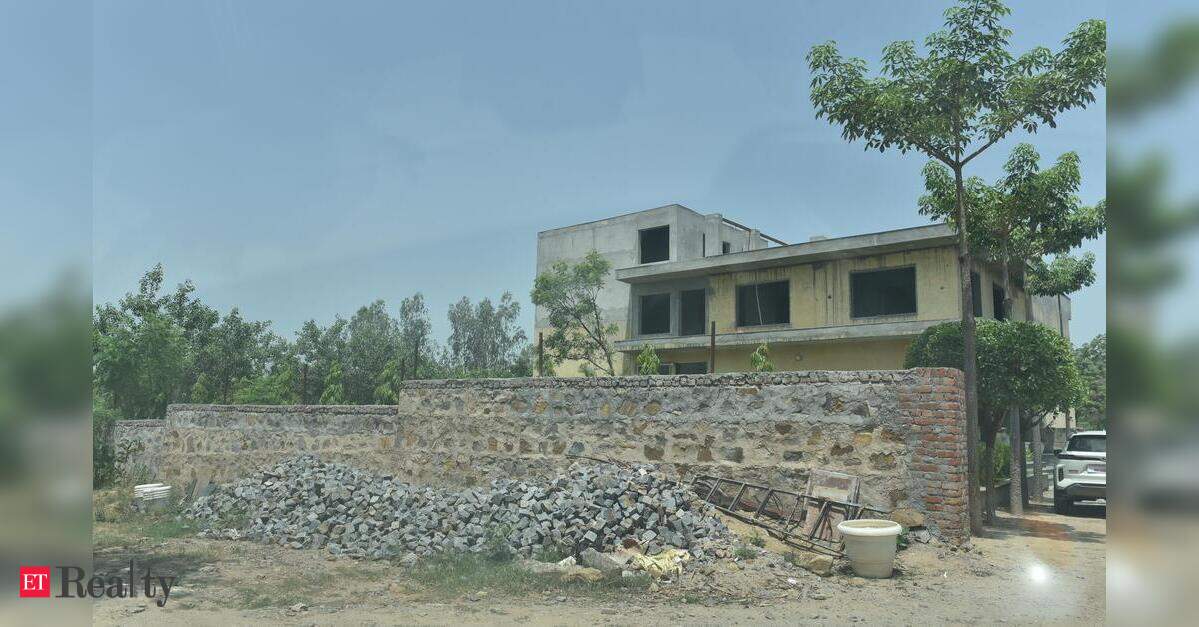
In the last two weeks, inspections at more than 165 societies revealed numerous violations, including encroachments and blocked access for fire tenders. This initiative was prompted by a recent fire at Gaur Green Avenue in Indirapuram, where a blaze on the ninth floor destroyed eight flats. Investigations pointed to unauthorized constructions obstructing emergency access and inadequate maintenance of fire safety systems as reasons for the rapid spread of the fire.
Pal noted that over 40% of inspected buildings held a fire NOC, but their firefighting resources were insufficient. Societies such as Rio Heights in Indirapuram and Ajnara Gen-X in Crossings Republik were given 15 days to address any deficiencies before potential action is taken.
A senior official attributed the lack of NOCs in many buildings to two main issues: owners’ reluctance to invest in compliance and equipment, and older structures in dense areas that lack space for emergency exits or four-sided access for fire tenders.
According to department guidelines, buildings under 15 meters and 500 square meters are exempt from mandatory NOC and equipment requirements. However, Pal stated that the department is advising even these buildings to implement basic fire safety measures.
For buildings exceeding the set thresholds, owners without a valid NOC will be responsible for all firefighting expenses as per the Uttar Pradesh Fire and Emergency Services Rules, the CFO stated.
Pal highlighted short circuits as the predominant cause of fire incidents. “Nearly 90% of fires originate from short circuits in homes, industries, and other places. During summer, the increased use of electrical appliances, such as fans and air conditioners, leads to overheating, creating a risk for sparks and fires,” he mentioned.
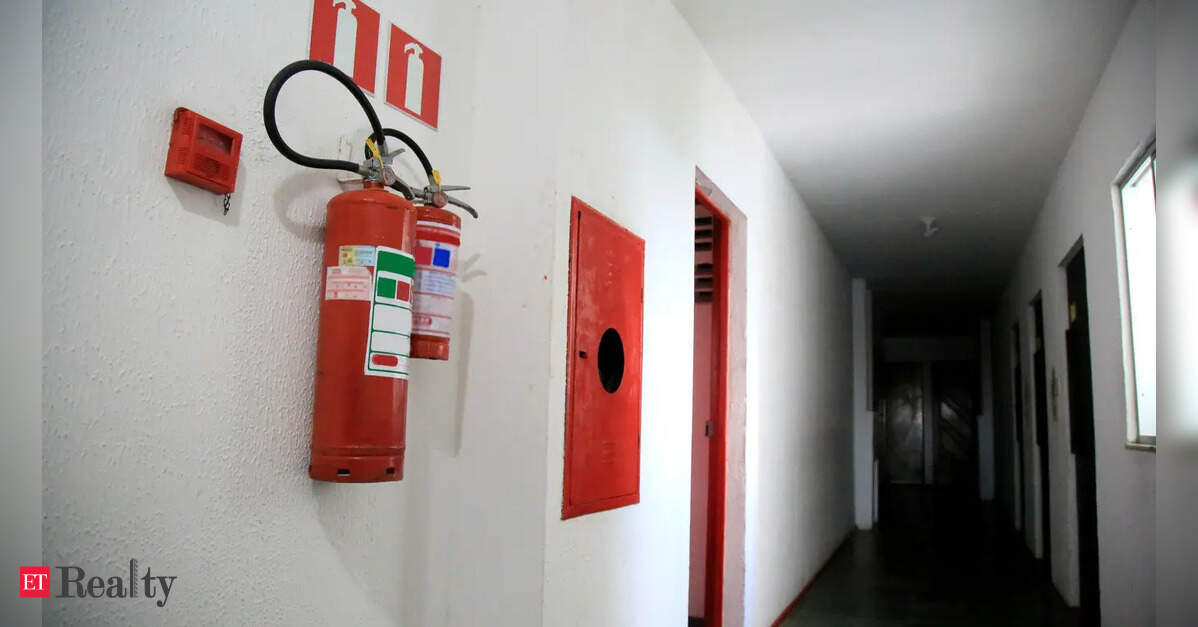
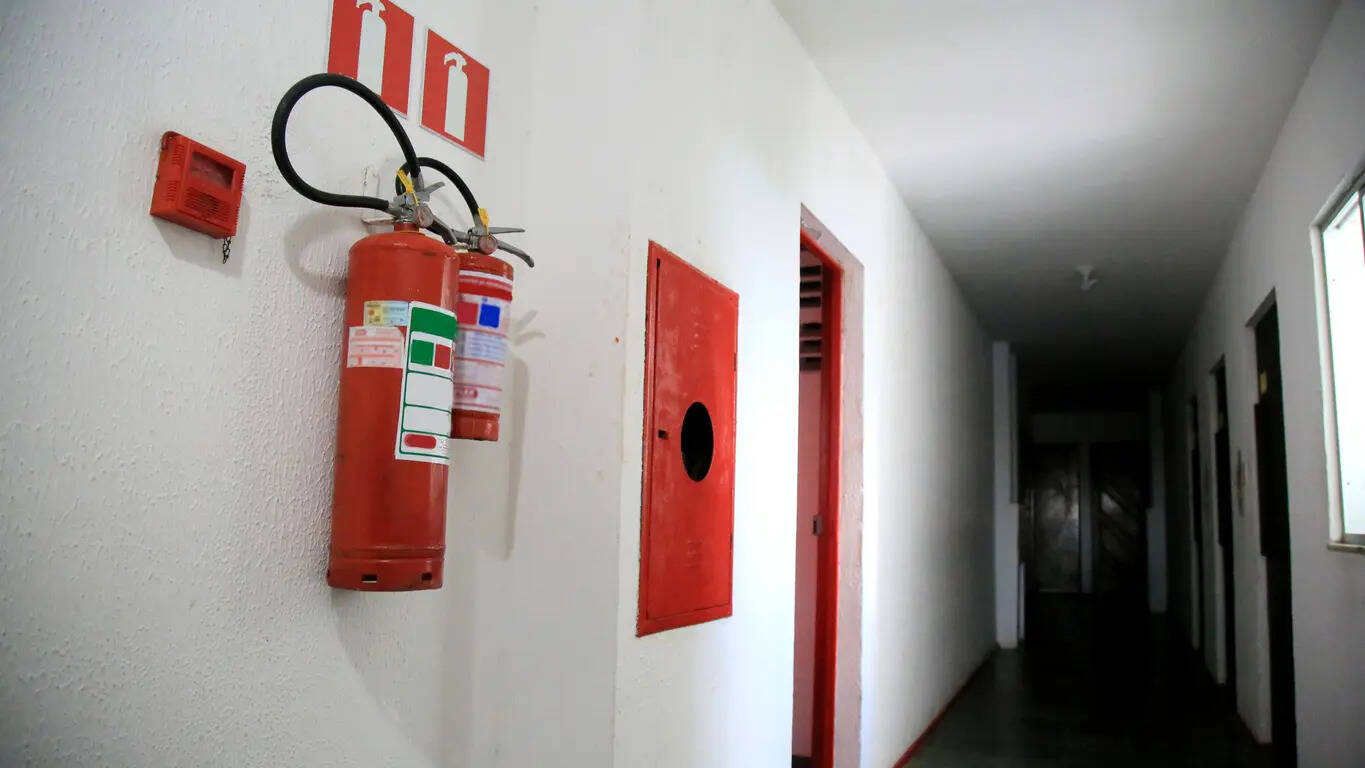
He urged Resident Welfare Associations (RWAs) and Apartment Owners Associations (AOAs) to conduct regular electrical audits and ensure their fire safety systems are well-maintained. Emergency exits should remain unobstructed, and air conditioning units should be routinely serviced. “Opt for ISI-marked switches and appliances rather than cheaper alternatives, use copper wiring, and avoid leaving electrical devices unattended. In many cases, residents were out while their appliances were still running. Homes should also be equipped with MCB, RCCB, and ELCB systems,” Pal advised.
The department has initiated legal action against five societies for failing to address previous warnings and has identified 42 buildings—residential complexes, hospitals, and hotels—as unsafe. Out of 51 flagged between 2017 and 2022, nine have upgraded their safety systems, with ongoing proceedings against the remaining 42.