CHENNAI: Over 100,000 patta holders in South Chennai are facing a housing and ownership crisis due to construction valued at approximately ₹1 lakh crore being stalled. This is largely a result of the CMDA freezing planning approvals surrounding the Pallikaranai Ramsar site last October, according to the Confederation of Real Estate Developers’ Associations of India (CREDAI).
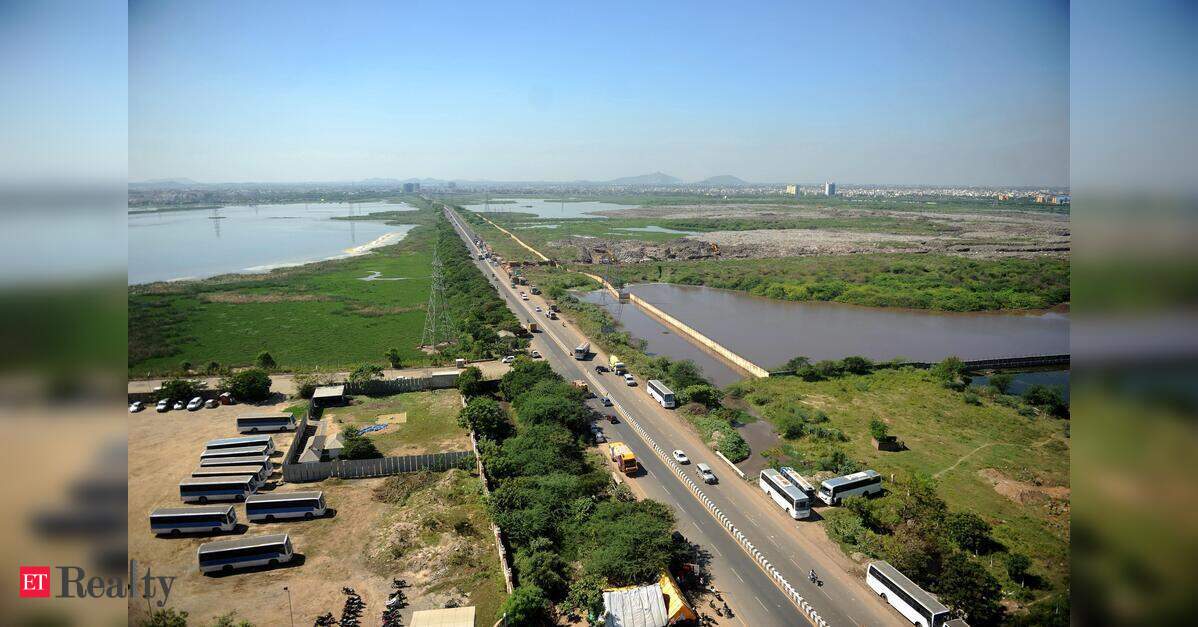
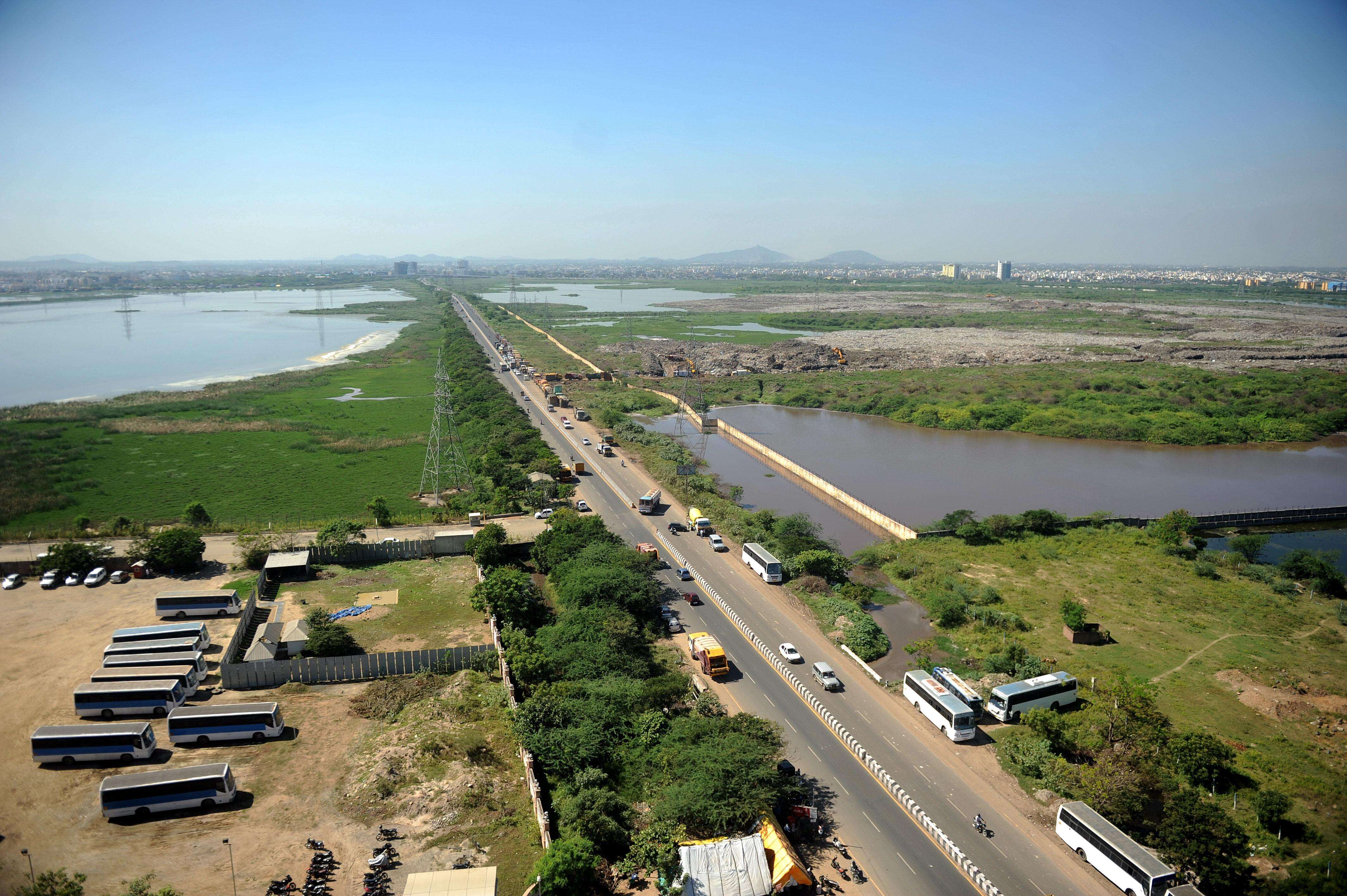
During a press conference on Tuesday, CREDAI urged the CMDA to reconsider the 1-km Ramsar influence zone that covers 3,358 hectares (8,397 acres), which has made large areas of Velachery, Pallikaranai, Perungudi, Sholinganallur, and Perumbakkam unviable for future construction.
Viswajith Kumar, vice-president of CREDAI’s Chennai unit, along with eight other office-bearers, highlighted that the original Pallikaranai Swamp Reserve Forest, spanning 698 hectares, was designated in 2007 under the Tamil Nadu Forest Act. In 2022, an additional 550 hectares were added when the marsh was designated as a Ramsar site, increasing the protected area to 1,248 hectares.
This demand follows the Tamil Nadu government’s cancellation of the Brigade Morgan Heights project, a proposed 2,000-unit residential township across 14.7 acres, claiming it was within the Ramsar site, while Brigade maintained it was patta land.
Referring to the National Green Tribunal’s order from September 24 last year, Viswajith noted that the tribunal mandated the CMDA to establish a 1-km buffer around the Ramsar site and pause construction activities. As a result, the CMDA halted planning approvals from October 9.
“South Chennai has been put in a difficult position since then. There are no ongoing constructions, completion certificates are withheld, and no new projects are initiated,” he stated, adding that the influence zone encompasses 100,000 patta houses and essential public infrastructures such as the Velachery and Perungudi MRTS stations, 15 stations from Chennai Metro Rail phase-II, Chennai One, and institutions like the National Institute of Wind Energy (NIWE) and the National Institute of Ocean Technology (NIOT).
“Can you displace all these residents? What about removing these institutions?” Viswajith questioned. “Property owners are anxious about their land ownership being contested. The freeze on planning has led to declining land values, delays in construction loans, and uncertainties surrounding future redevelopment approvals.”
CREDAI contended that the influence zone was marked by superimposing outdated maps with GIS technology. “The government should conduct ground-truthing, hydrology studies, drainage assessments, land-use analysis, and validation of survey numbers before finalizing the boundary,” emphasized Viswajith.
CREDAI Chennai president Mehul H Doshi clarified that while the association fully supports the protection of the original wetland, they oppose the additional 550 hectares included when the marsh was designated a Ramsar site in 2022. He stressed that due process—including survey number demarcation, ground-truthing, public consultation, and statutory notification under Wetlands (Conservation and Management) Rules—was not completed prior to this expansion. The government must legally finalize the demarcation process with due diligence.