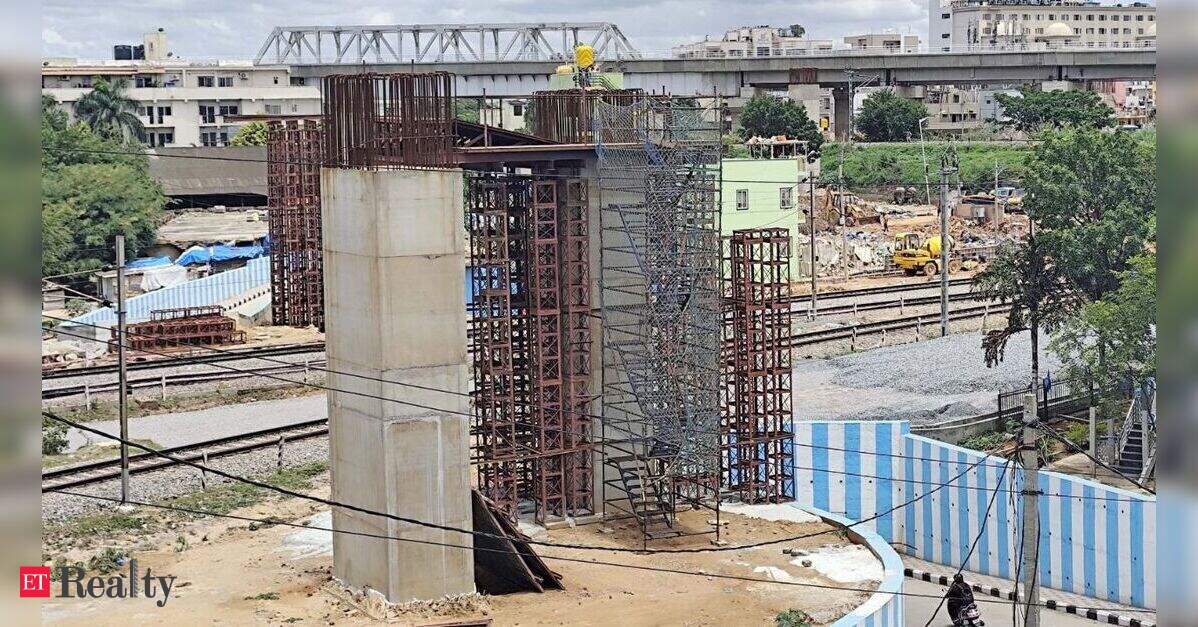
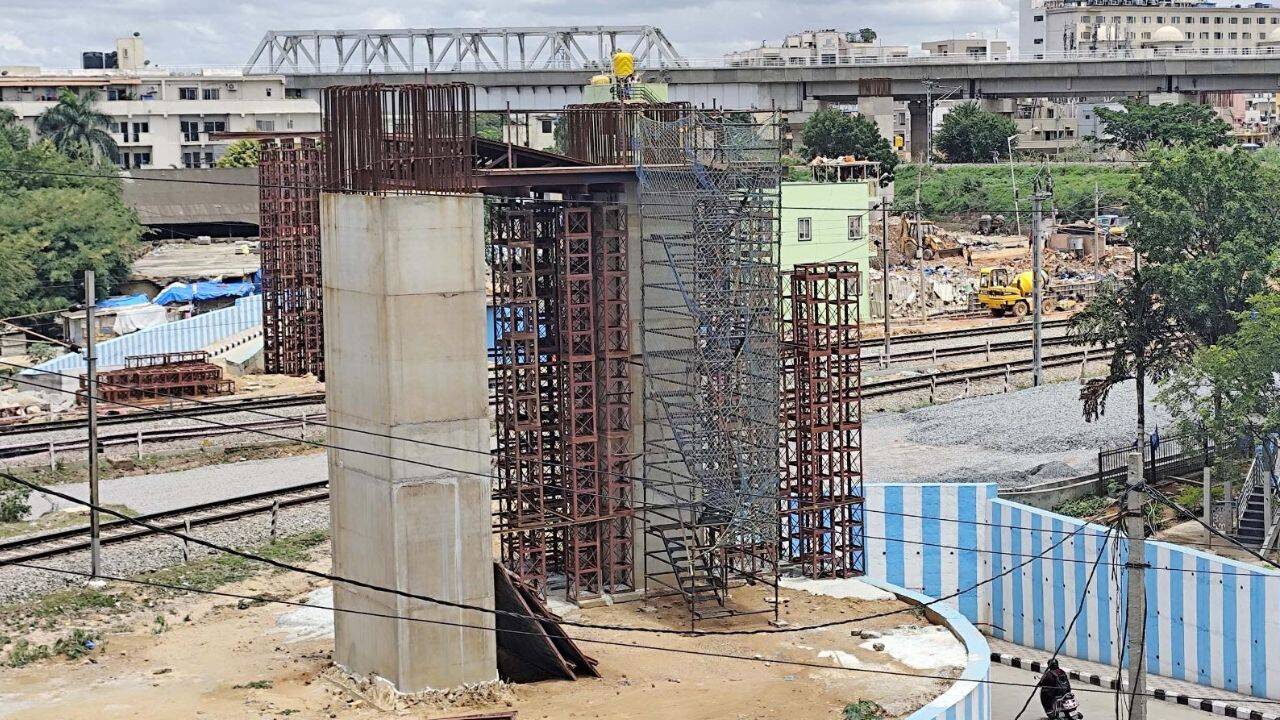
BENGALURU: The expansion of the city’s Metro has come to a standstill, with no new corridors entering construction for over four and a half years.
The last project to commence was the extended Airport Line (KR Pura to KIA), with contracts awarded by BMRCL in November 2021 and construction starting in early 2022. Since then, no new initiatives have progressed.
The delay has shifted concerns from the typical issue of late commissioning to a worrying absence of new projects, despite the increasing demand for travel. Two significant projects under Phase III and IIIA are still awaiting approval.
The Phase III project includes a 45-km Orange Line with two corridors: JP Nagar 4th Phase-Kempapura and Hosahalli-Kadabagere. Approved by the state in November 2022, it was forwarded to the Centre, which granted approval in August 2024 at an estimated cost of Rs 15,611 crore.
However, the state government’s decision to add a 37.1-km double-decker corridor, featuring a Level 1 road flyover and a Level 2 Metro viaduct, has caused further delays. The flyover, at a cost of Rs 9,700 crore, will be fully funded by the state. Although the BMRCL Board approved the proposal in May 2025, it later decided in January 2026 to engage RITES for a quick study of the revised project structure before sending it to the Ministry of Housing and Urban Affairs (MoHUA). The corporation is currently awaiting clearance.
The 37-km Sarjapur-Hebbal corridor under Phase IIIA faces similar delays. Proposed in 2023 and state-approved in December 2024, it features a 14.3-km underground stretch and a 23.52-km elevated section. Originally estimated at Rs 28,405 crore, the proposal went to the Centre in January 2025.
During scrutiny, BMRCL officials reported that the Centre suggested redesigning underground stations to lower costs and advised against the proposed station near the Veterinary College on Ballari Road. The revised detailed project report decreased the cost to Rs 25,999 crore.
MoHUA also raised concerns over the state’s double-decker proposal, suggesting it could undermine the goals of the mass transit system. Following this, BMRCL sought IIT Roorkee’s expertise to evaluate the feasibility of the concept. The project is pending further approvals even as some tenders have been issued for a few packages.
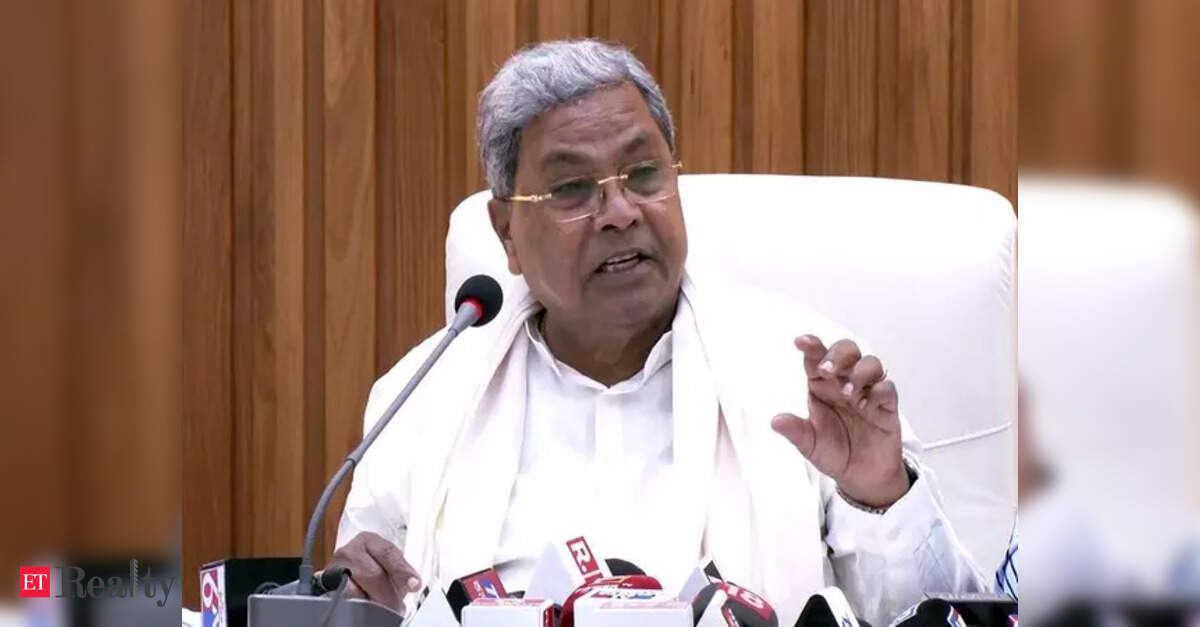
During a recent visit to New Delhi, Chief Minister DK Shivakumar urged Union Housing and Urban Affairs Minister Manohar Lal Khattar to expedite approvals. He noted that nearly two years had passed since the Orange Line received sanction and emphasized the necessity of the double-decker corridor to alleviate serious congestion.
Officials highlighted that delays in approvals have serious ramifications, causing at least a 5% annual cost increase, complications in land acquisition, and delays in essential public transport infrastructure.
The Comprehensive Mobility Plan dictates that a Detailed Project Report (DPR) be created and submitted for state approval, which is then sent to the Centre. MoHUA refers it to the Institute of Urban Transport for technical assessments, which may lead to revisions. The revised DPR is circulated among nine ministries, including railways and road transport, and agencies like NITI Aayog. Upon receiving the necessary information and clarifications from the state, the Public Investment Board (PIB) reviews the proposal and if it meets satisfaction, forwards it to the Union cabinet.
“Currently, this process takes close to two years. Any design modifications mid-process can delay approvals further. The Orange Line exemplifies this issue,” the source stated.
Delays are particularly concerning as Bengaluru’s vehicle population has surged, with over 2.26 million vehicles added to city roads in the past four and a half years. Despite nearly 15 years of operation, Namma Metro’s network only spans 98 km, averaging around 6.5 km of annual expansion.
These project delays have also escalated costs. Phase II, originally sanctioned at Rs 26,405 crore for 72 km and expected to be completed in five years, has surged to Rs 40,425 crore due to extended delays—representing a nearly 53% cost increase.