
GURUGRAM: Nearly a week after identifying 183 alleged violations in the eco-sensitive zone (ESZ) of Sultanpur National Park, authorities commenced enforcement actions on Monday.
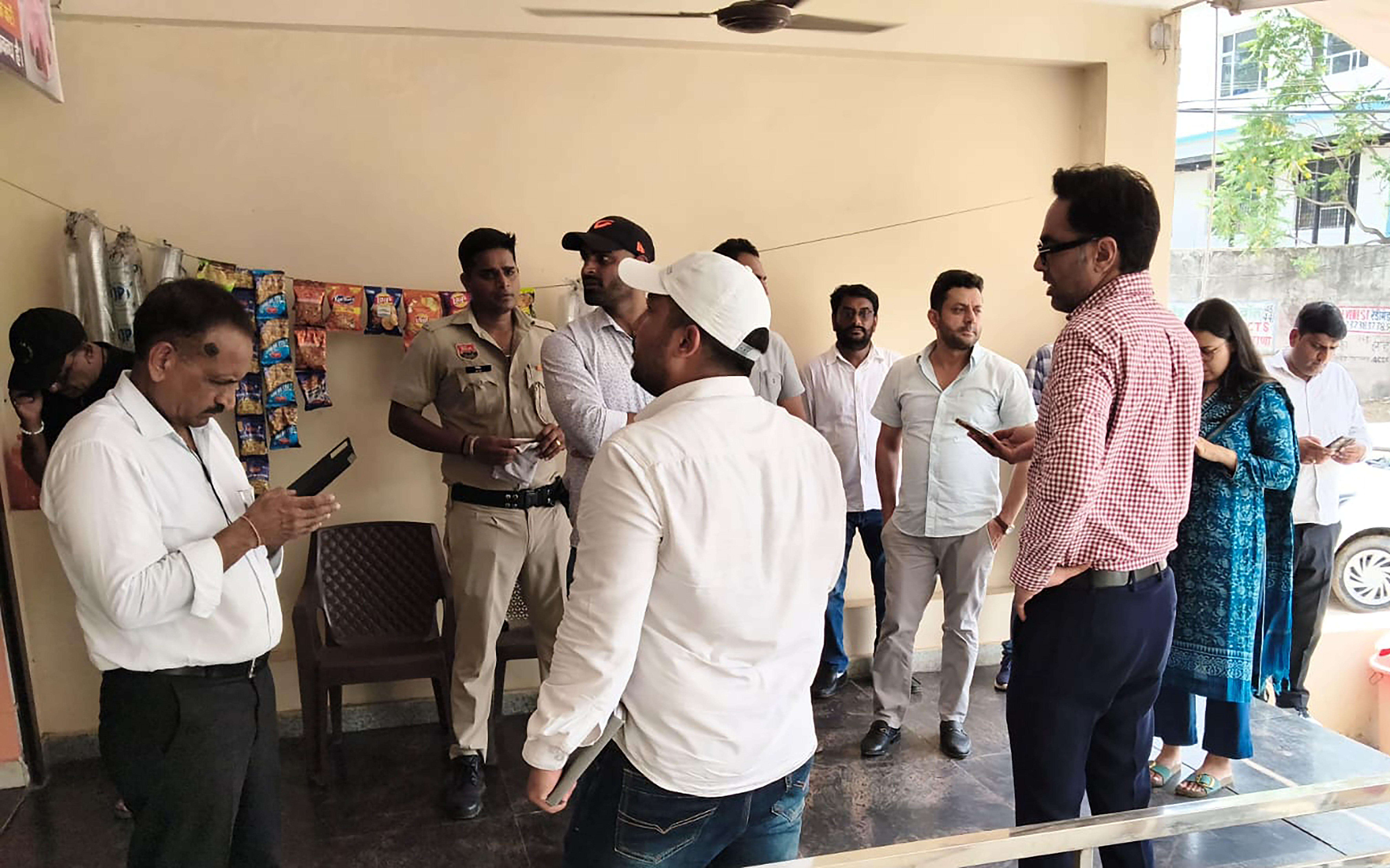
Officials from various departments—including forest and wildlife, town and country planning (DTCP), Haryana State Pollution Control Board (HSPCB), and public health engineering (PHED)—inspected residential, commercial, and farmhouse properties within the designated ESZ to verify permits and construction status.
Joint teams evaluated illegal structures, leading the forest department to issue initial notices and initiate demolition proceedings for under-construction buildings. This action marks a significant shift, as the forest department had rarely issued such notices independently in the past.
During inspections, numerous property owners could not present the required change of land use approvals and other essential documents. They have been instructed to submit these documents, after which actions will be phased in.
RK Jangra, Gurgaon divisional forest officer (wildlife), stated that a meeting with the deputy commissioner and other departments will set the next steps, including the demolition of non-compliant structures. The five-kilometer eco-sensitive zone encompasses 22 villages, with stipulations prohibiting construction within 300 meters of the wetland, restricting buildings to two stories within 500 meters, and barring commercial and polluting industries within a three-kilometer radius.
Last week, TOI reported fresh inspections revealing 48 more violations, including farmhouses, banquet halls, commercial establishments, and residential buildings. This enforcement action follows the direction of a committee appointed by the National Board for Wildlife, criticising the Haryana government for inadequate measures against unauthorized construction and urging legal proceedings against violators.
“This marks the first phase of enforcement. We have issued initial notices today, focusing on under-construction buildings to prevent further work. We found many lacking necessary approvals. They are given 2-3 days to comply before phased actions commence against under-construction and newly constructed structures,” Jangra explained.
Environmentalist Vaishali Rana acknowledged the importance of Monday’s actions but emphasized that true success hinges on the actual demolition and restoration of the ecological buffer surrounding the Ramsar wetland.
Officials involved in the inspection surveyed each property, checked land use permissions, and identified structures for potential demolition or legal action.
The Sultanpur park is part of the Central Asian Flyway, a crucial migratory route for birds between Central Asia and serves as a vital habitat for numerous migratory and resident species.