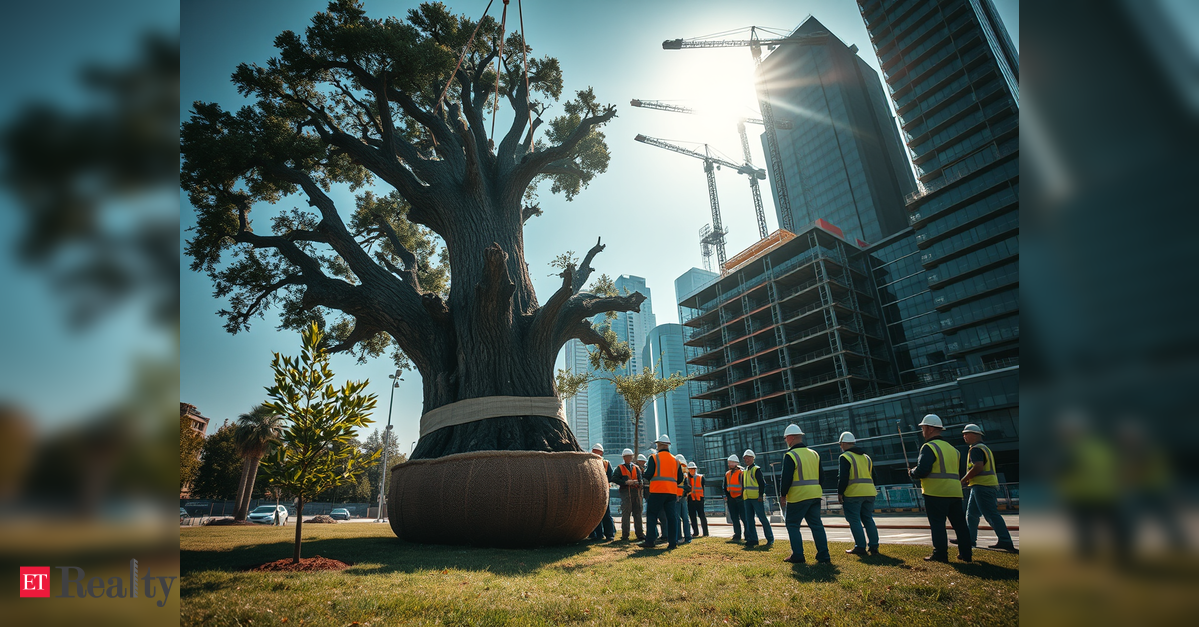
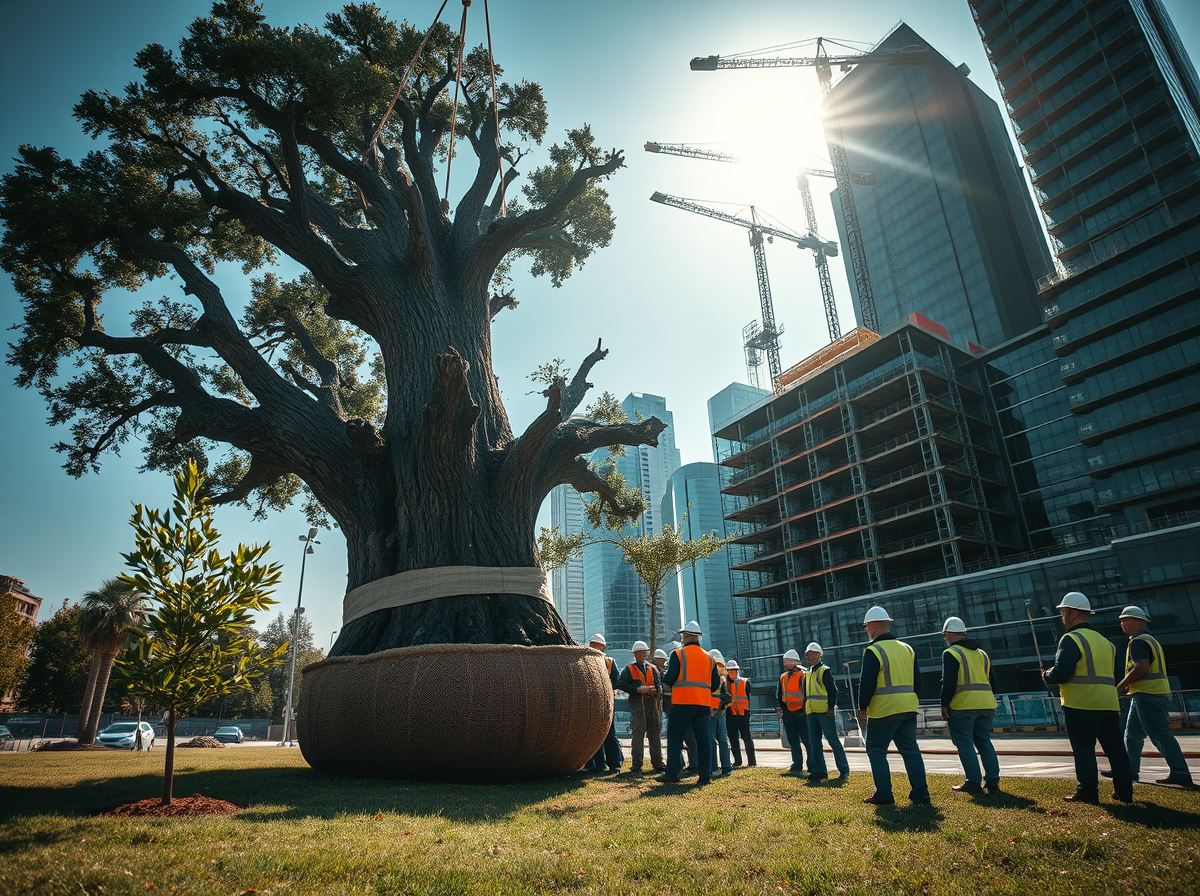
NEW DELHI: The Delhi forest department has approved the transfer of 1,049 trees and authorized the removal of 42 trees to facilitate redevelopment at the General Pool Residential Accommodation (GPRA) colony in Sarojini Nagar, as per an official document.
Environment activists have expressed concerns regarding this decision, questioning the survival rate of the transplanted trees and highlighting the risks associated with the loss of tree cover, which could increase climate vulnerability.
The order, issued on June 19, cites permission granted under Section 9 of the Delhi Preservation of Trees Act, 1994, following evaluations of the proposal and inspections by the tree officer. Initially, the number of impacted trees was reduced from 1,218 to 1,170 after 48 trees were identified as outside the project area. The Central Empowered Committee (CEC) later mandated that an additional 79 trees be preserved, lowering the final count to 1,091.
The official documents state that 1,049 trees will be transplanted, while 42 will be removed.
NBCC Limited (formerly the National Buildings Construction Corporation) is obliged to carry out the compensatory planting of 10,910 native saplings at Bharat Vandana Park in Dwarka and to transplant the 1,049 trees at that same location, as outlined in the document. Compliance with the Tree Transplantation Policy of 2020 is necessary, which includes uploading geo-tagged images of the transplantation process to the forest department’s official portal. The tree officer will also require annual progress reports.
The order mandates that transplanted trees be spaced appropriately and that no tree with active nests from birds, squirrels, or snakes be uprooted or moved until after the nesting period.
Additionally, the agency must implement measures for soil moisture conservation at the transplantation site and ensure that protected trees remain undisturbed throughout construction.
Should any transplanted trees fail to thrive, NBCC is responsible for planting indigenous tree species with a minimum stem diameter of six inches at a 1:5 ratio at its own expense, and must submit a completion report to the tree officer.
The authorization is valid for two years, with the possibility of a one-year extension based on valid reasons. The order also stipulates adherence to directives from courts, the National Green Tribunal (NGT), and the Commission for Air Quality Management (CAQM), as well as obtaining all necessary legal approvals before commencing tree transplantation or removal.
In response to these developments, environmental activists have raised concerns about the potential survival rates of the transplanted trees. Activist Bhavreen Kandhari commented that the order reflects how the government views trees as obstacles to development rather than vital public infrastructure.
“The loss of each mature tree results in higher temperatures, deteriorating air quality, diminished biodiversity, and heightened climate vulnerability. These are issues we are already grappling with. We need to pursue development in harmony with nature,” she stated.
Kandhari emphasized that although the permission outlines conditions for compensatory planting and transplantation, the monitoring of survival rates is often opaque.
“Until there is independent auditing and public transparency regarding the fate of transplanted trees, these permits merely allow for further tree loss,” she argued.
Verhaen Khanna from the New Delhi Nature Society expressed skepticism about the effectiveness of compensatory planting, warning that previous initiatives often exist only on paper. He stated, “The courts have repeatedly found that forest department officials frequently overlook due diligence when granting such permissions. This decision spells more trouble for Delhi.”
Khanna noted that the city is already facing severe air pollution and extreme heat. “Trees are our only real protection against these threats. We’re losing five trees every hour in this city. Losing over a thousand trees in one go is catastrophic. Delhi becomes unbearable in summer due to heat and winter because of pollution.
He questioned when this tree felling will cease, asking, “Will we wait until only one tree is left? Will that last tree also fall under some project? When every tree is gone, will development finally come to a halt? How will life continue?”