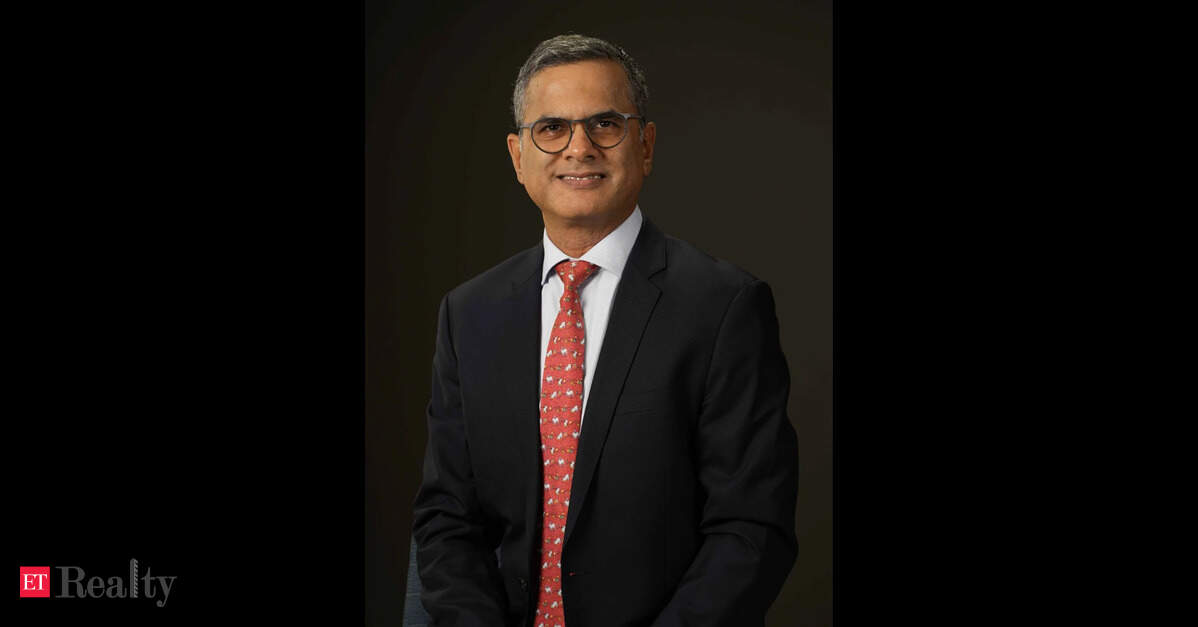
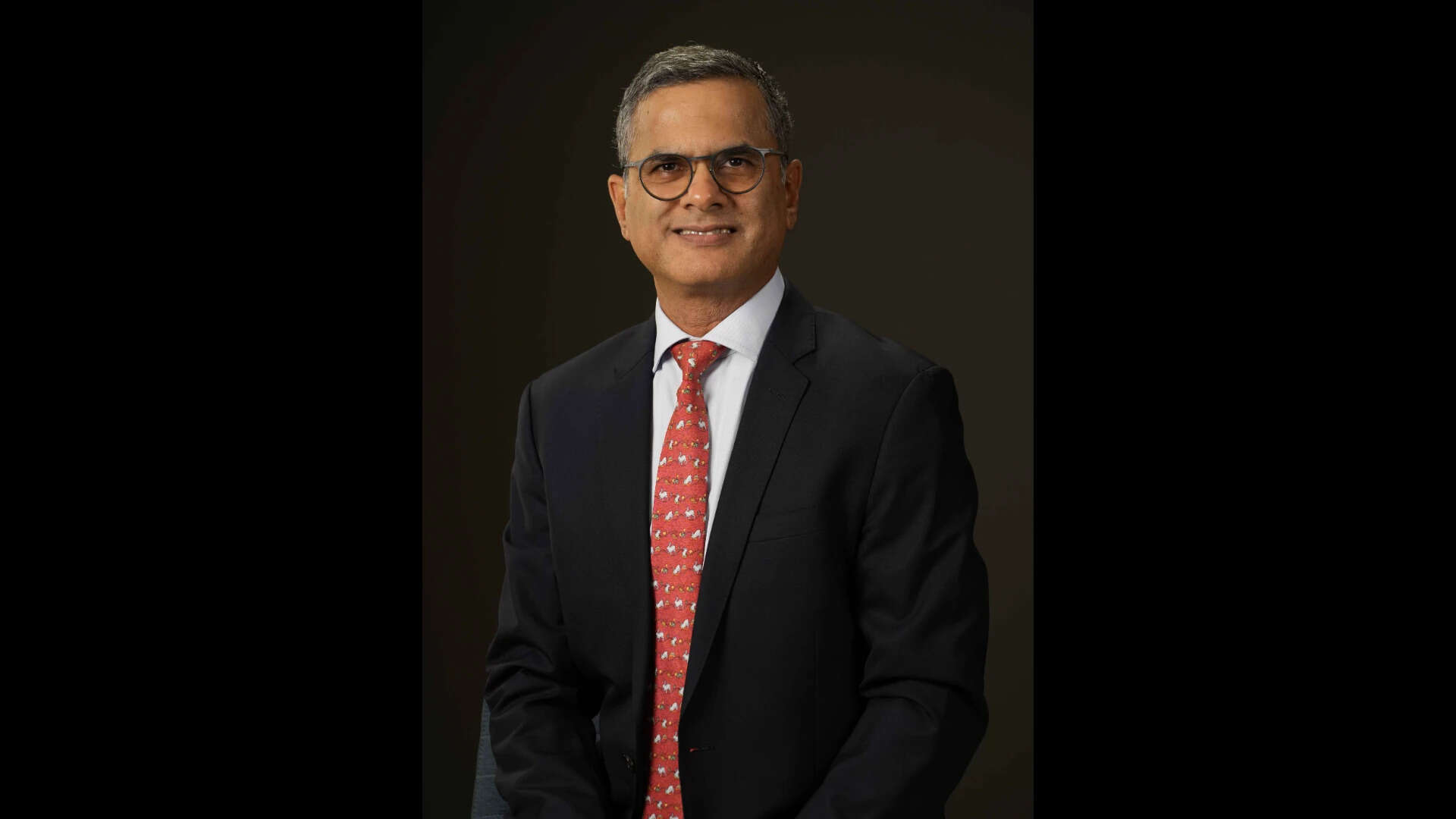
NEW DELHI: Knowledge Realty Trust reports over 16% revenue growth, with EBITDA and net operating income up by 18% since its IPO, according to CEO Shirish Godbole.
In a conversation with Ankit Sharma, Godbole highlighted the company’s robust performance in the nine months following its IPO, indicating strong potential for continued growth through enhanced occupancy, rental adjustments, ongoing construction, and acquisitions.
With current occupancy around 92%, the company aims to reach 95-96%. It has 2.6 million sq ft under development—1.2 million sq ft anticipated for completion this year, with an additional 1.4 million sq ft ongoing. An asset in Hyderabad, comprising 1.6 million sq ft, is projected for delivery next year.
Godbole mentioned the REIT’s leverage stands at 18%, providing flexibility to take on more debt for acquisitions, given that suitable assets are available at attractive prices and can enhance the portfolio.
How has commercial real estate fared over the last year?
It has been one of the strongest periods for office and commercial real estate in recent history. We have witnessed considerable growth in net operating income and revenues. As of now, our outlook is very positive, with sustained demand. Following our IPO in August, we’ve experienced a successful nine months, establishing a stable platform primed for further development and occupancy growth.
India now has five REITs. How does this affect the commercial real estate sector?
We are witnessing the institutionalization of real estate in India, which is beneficial for the market as more global companies enter, fostering an environment they are comfortable navigating. Interaction with REITs involves considerations such as systems, processes, safety standards, sustainability, and governance—areas that previously didn’t receive adequate attention. This shift towards REITs is undoubtedly positive.
Is there capacity for more REITs in India?
Absolutely. India is a massive market with extensive office stock, yet only a fraction is in organized REIT formats. The market will likely see the emergence of additional REITs; companies like Prestige or DLF may eventually establish their own office REITs. The focus will be on capital efficiency and optimal ownership structures.
REITs are poised to expand not only in office spaces but also in sectors like industrial, data centers, and other income-generating real estate assets.
Does the limited supply of Grade-A properties challenge office REITs?
To some extent, yes; however, many REITs are backed by established developers like Brookfield, Mindspace, and ourselves at Sattva, who possess robust plans and land banks for developing Class-A spaces. Acquiring third-party assets can be challenging, yet the sector is well-positioned for growth thanks to strong developers.
How has Knowledge Realty Trust fared since its listing?
It has been a solid nine months, with revenues rising over 16% and EBITDA and net operating income increasing by 18%. We have met our distribution targets.
What are the primary growth drivers for Knowledge Realty Trust?
Currently, we have 2.6 million sq ft under development; 1.2 million sq ft is scheduled for completion this year, with another 1.4 million sq ft under construction. An additional asset of 1.6 million sq ft in Hyderabad is expected next year. Our occupancy rate of 92% is moving toward the 95-96% target. With below-market rents, we also see internal growth and mark-to-market opportunities, positioning us favorably for future growth.
Are you considering expansion into data centers or other asset classes?
Currently, we are focused on office spaces. We plan to expand our portfolio with acquisitions aligned with our growth strategy. Our leverage of 18% enables us to take on additional debt for acquisitions that can enhance our portfolio.
Do any older assets in your portfolio require redevelopment or refurbishment?
Some refurbishment is necessary, particularly for maintaining competitiveness in a Class-A market. While we don’t have a large-scale redevelopment strategy, we invest in specific assets to keep them competitive.
Are you concerned about AI, global uncertainty, or their impact on office demand?
In the long term, the implications of AI are uncertain, but in the short to medium term, it has positively influenced the Indian commercial real estate market. India has transitioned from a call center to a mid-office and now a front-office hub, increasingly engaging in sales, cybersecurity, engineering, and innovative technologies, thereby enhancing its global standing. Hence, I’m optimistic about AI’s potential impact, viewing it as an opportunity rather than a threat.