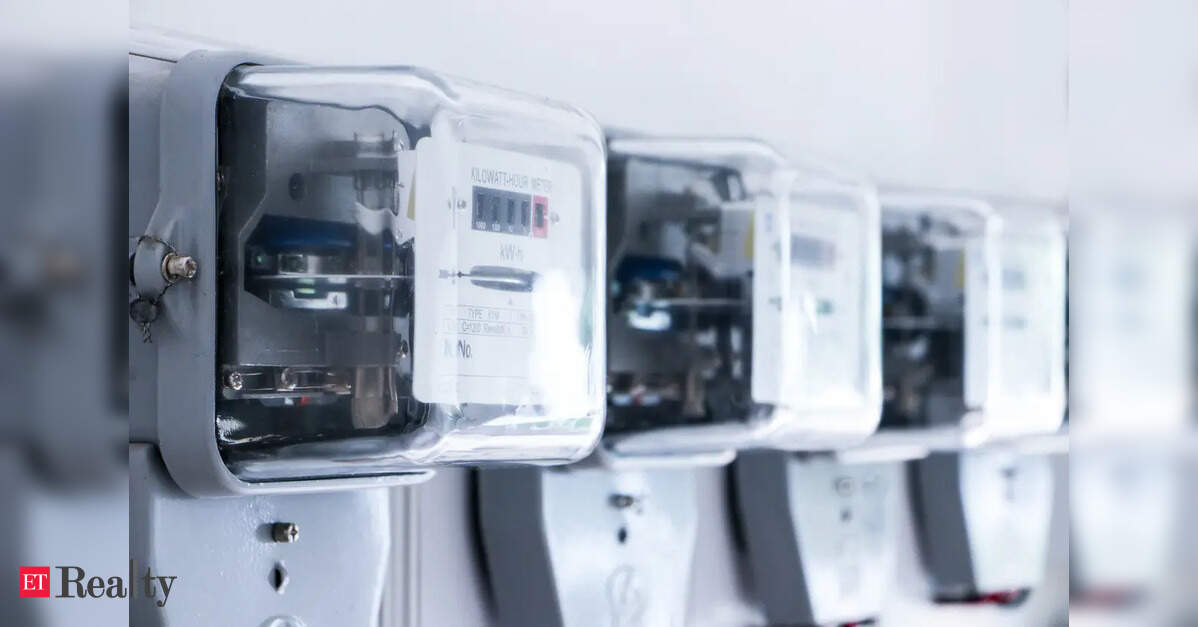
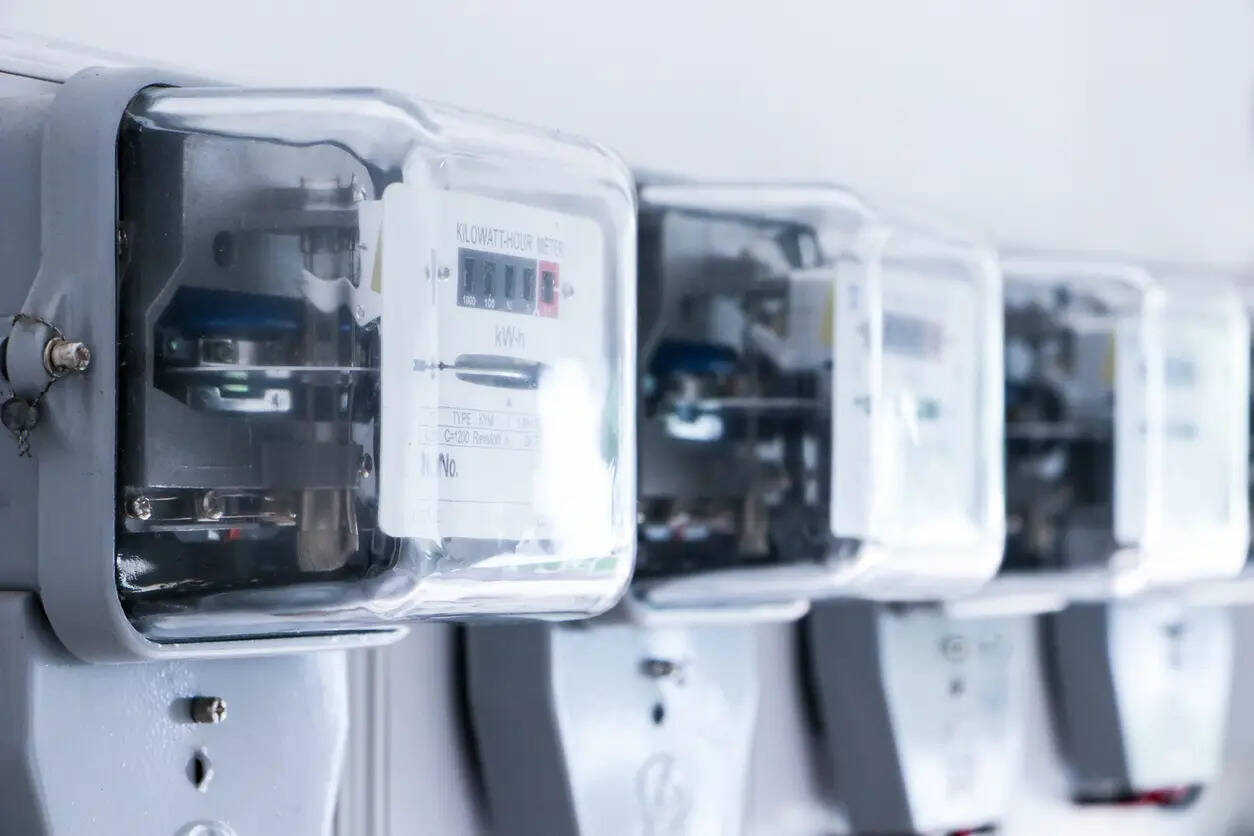
BENGALURU: The government’s initiative to implement smart meters for new electricity connections across the state has resulted in significant administrative hurdles, exacerbated by confusion regarding the Supreme Court’s mandate for mandatory occupancy certificates (OC).
Smart meters are anticipated to minimize transmission losses, enhance billing accuracy, and facilitate real-time monitoring of electricity usage. However, the Supreme Court’s ruling, aimed at reinforcing building compliance standards, has inadvertently impeded progress in modernizing the power sector.
The program, launched nearly a year ago, was initially targeted for all new and temporary electricity connections in the jurisdictions of Bangalore Electricity Supply Company (Bescom) and Chamundeshwari Electricity Supply Company (Cescom), and was later extended to three additional Escoms.
However, data from TOI indicates that only 290,000 smart meters were installed by April 2026, falling short of earlier forecasts.
The court’s ruling stipulated that electricity connections for new constructions could only be granted upon the presentation of valid OCs. This uncertainty surrounding the implementation led to confusion among consumers, builders, and even field engineers at Escoms.
As a result, numerous applications for new power connections were put on hold, particularly in urban areas where many apartment complexes and residential developments were waiting for OC approvals. The Karnataka State Licensed Electrical Contractors Association (KSLECA) estimates that around 1.5 to 1.6 million applications are currently stalled.
An energy department official stated, “While many households faced initial challenges, the state cabinet’s decision to intervene and relax implementation procedures provided significant relief. We have installed nearly 300,000 smart meters in the past six months.” The official added that the initiative is expected to accelerate in the upcoming weeks, as Escoms are now actively resuming the processing of new applications, particularly in Bengaluru and other urban centers.
Among the five Escoms, Bescom leads in installations with 180,000 smart meters, followed by Hescom (Hubballi – 55,078) and Cesc (Mysuru – 43,105). Mescom (Mangaluru) has installed 11,698 meters, while Gescom (Kalaburagi) recorded the fewest at 1,426.
Of these installations, a total of 97,958 were temporary prepaid connections, while 190,000 permanent postpaid smart meters were installed. The adoption of permanent prepaid smart meters remains low, at only 4,174 connections statewide.
According to an official, “Most prepaid connections were for buildings under construction. These will be transitioned to smart meters once the construction is complete and the respective municipalities and corporations issue OCs.”
C. Ramesh, president of KSLECA, emphasized, “Had the government acted sooner, the rollout would have been much faster. The government only relaxed rules for properties on 30×40 plots. Of the 1.5 to 1.6 million properties awaiting smart meters, approximately 30-40% could have benefited, but many others are still in line for new connections. The state government must take proactive measures to clarify the situation, as it is losing revenue in the process.”