VIJAYAWADA: The National Green Tribunal (NGT) recently mandated that the NTR district authorities evaluate the environmental damage from unauthorized brick kiln activities in the region. They are to quantify compensation within three months and restore the impacted agricultural land and water bodies.
This ruling follows a petition from Ramisetti Suresh Kumar, a farmer and ex-serviceman from Vinagadapa village in Gampalagudem mandal. The tribunal instructed the Andhra Pradesh Pollution Control Board (APPCB) to assess damages from operators running brick kilns without the necessary clearances, which resulted in deteriorating air quality and reduced soil fertility.
The tribunal also ordered the district collector to ensure that no brick kiln operates without required approvals. The tahsildar is tasked with identifying agricultural lands from which fertile soil was removed for brick production and initiating action against offenders.
The agriculture department has been directed to conduct soil tests and recommend restoration measures, while the irrigation department must inspect Durgadevi Lake, Kattaleru, and Nallavagu to eliminate barriers affecting natural water flow and to prevent future encroachments. Additionally, authorities must restore abandoned excavation sites and seek compensation from violators.
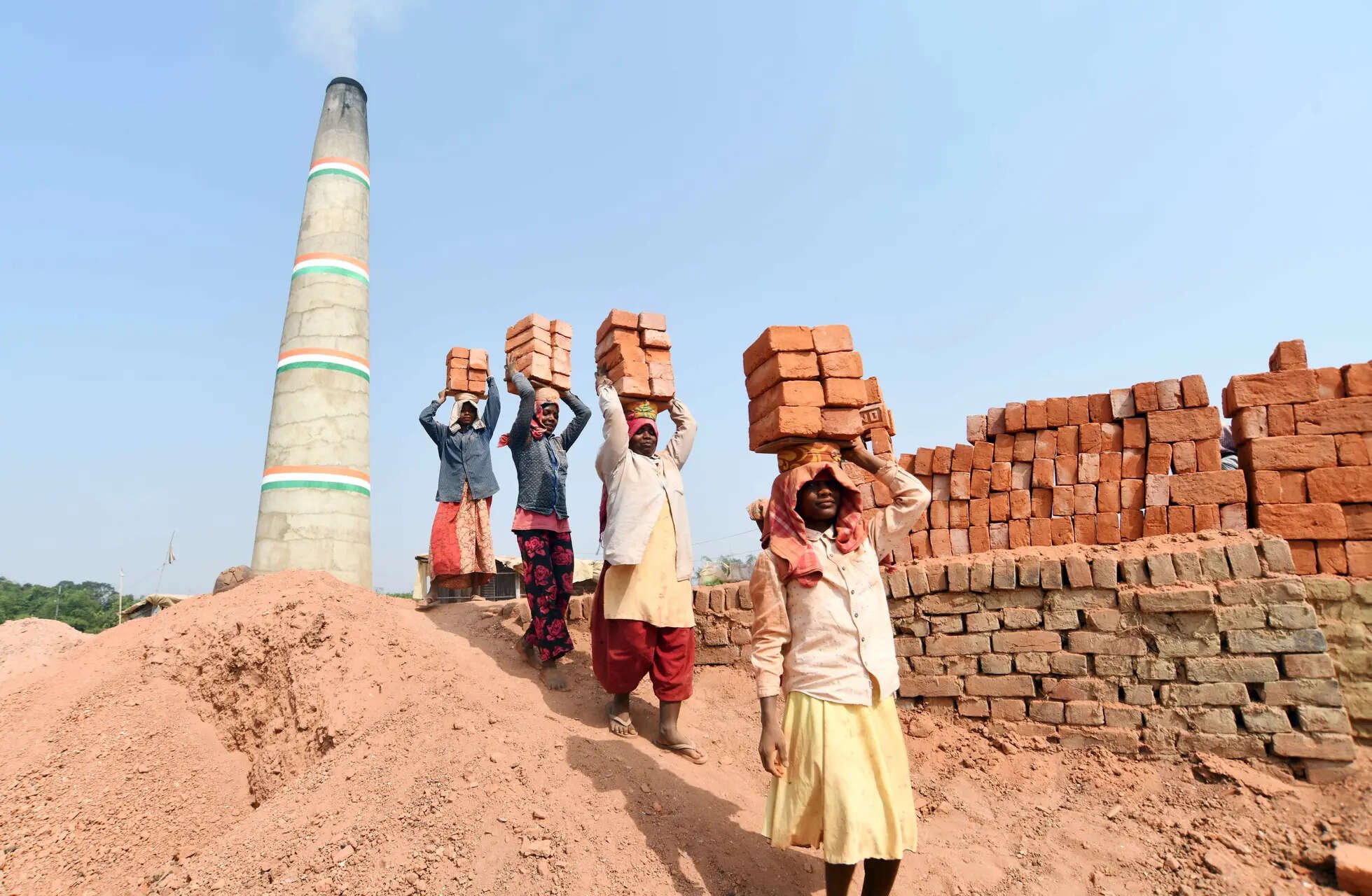
The proceedings began following allegations of large-scale soil excavation and brick kiln operations near Suresh Kumar’s farmland. Inspections by APPCB revealed that the brick kilns operated without required permissions, recording PM10 levels of 170 micrograms per cubic meter, exceeding the limit of 100 micrograms.
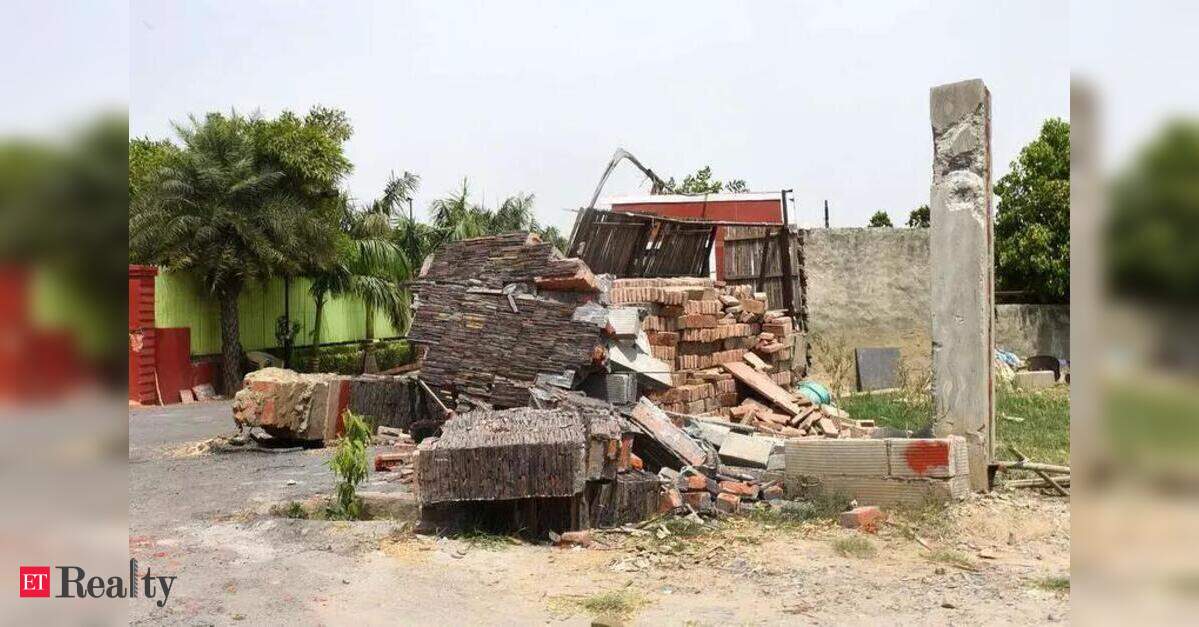
Even though the kilns were dismantled later, the tribunal noted that closing operations post-initiating legal action does not eliminate evidence of environmental degradation.
Based on findings from an expert team at the Regional Agricultural Research Station in Lam, the tribunal highlighted that improper soil excavation depletes fertile topsoil, reduces organic carbon and nitrogen levels, alters land topography, and increases flooding and erosion risks. The report also connected brick kiln operations, ash storage, and soil transportation to air quality degradation.
The tribunal emphasized that fertile agricultural areas have been rendered unproductive due to excessive soil excavation and called for stricter regulation of brick kiln operations.