NAGPUR: In the last nine months, Nagpur has seen a significant increase in property transactions, reflecting a surge in investor confidence driven by extensive infrastructure projects and its emergence as a rapidly growing urban center.
Data from the stamp duty department indicates that over 125,000 land transactions were recorded in Nagpur district, generating a revenue of ₹1,568.60 crore for the government in this timeframe. This represents an increase of over ₹147 crore compared to the same period in 2024, underscoring a consistent growth trend in real estate activities across both urban and rural sectors.
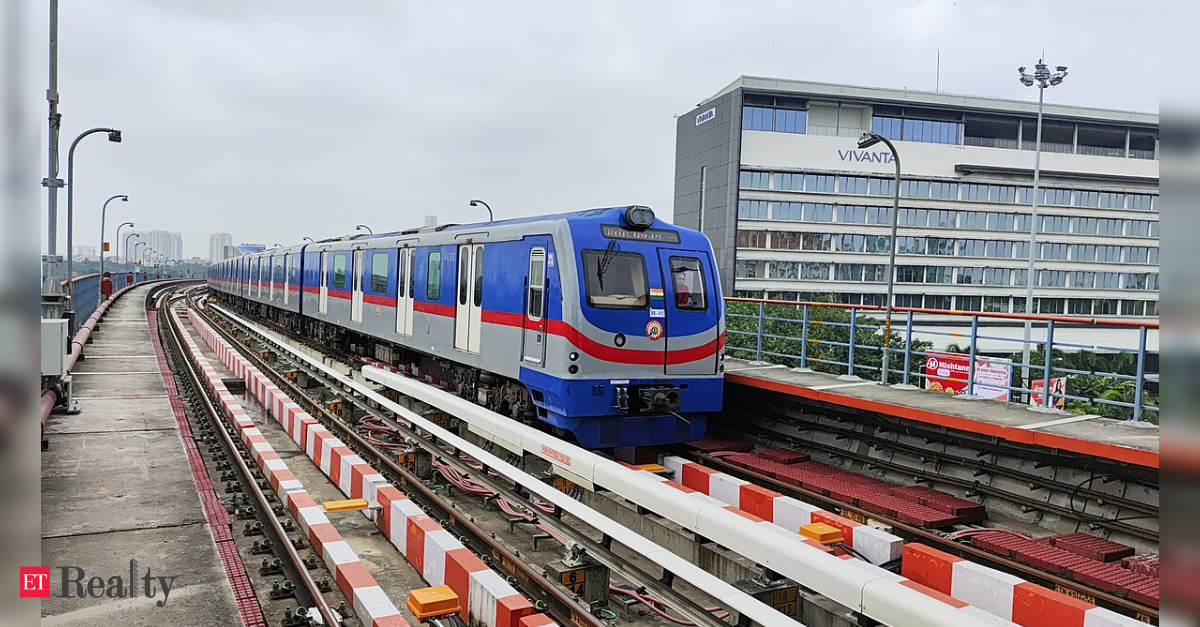
Officials attribute this growth to several ongoing and proposed developments, such as the ambitious New Nagpur project, the Metro expansion, and enhanced road connectivity. Notably, the city has garnered national recognition with the completion of significant infrastructure like the world’s longest double-decker flyover, paired with a series of new flyovers facilitating smoother traffic flow.
Rapid outward expansion is evident in the city, with large residential townships emerging on its expanding outskirts. Initiatives like the Golden Arc Road aim to alleviate congestion and support future urban growth, boosting real estate demand. The New Nagpur project is set to unfold in three phases over the next 15 years, establishing the area as a long-term investment opportunity.
Transaction data reveals that urban sales increased from 77,012 in 2024 to 81,998 in 2025, with revenue rising from ₹1,014.22 crore to ₹1,161.60 crore. In rural regions, while transactions dipped slightly from 43,859 to 42,260, revenue grew from ₹384 crore to ₹407 crore, indicating higher property valuations.
According to stamp duty collector Sanjay Tarase, stamp duty rates are set at 7% for urban areas, 6% within NMRDA limits, and 5% for rural locales. A registration fee of 1% applies for transactions up to ₹30 lakh, while those exceeding this amount attract a maximum registration fee of ₹30,000.
Starting April 1, 2025, the government revised annual valuation rates, with increases averaging 3% in rural areas and 5% in urban locales. Consequently, purchasing property has become more expensive in rapidly developing neighborhoods such as Besa, Jamtha, Isasani, Kapsi Khurd, Dabha, Babulkheda, Manewada, Hudkeshwar, and Jaitala.