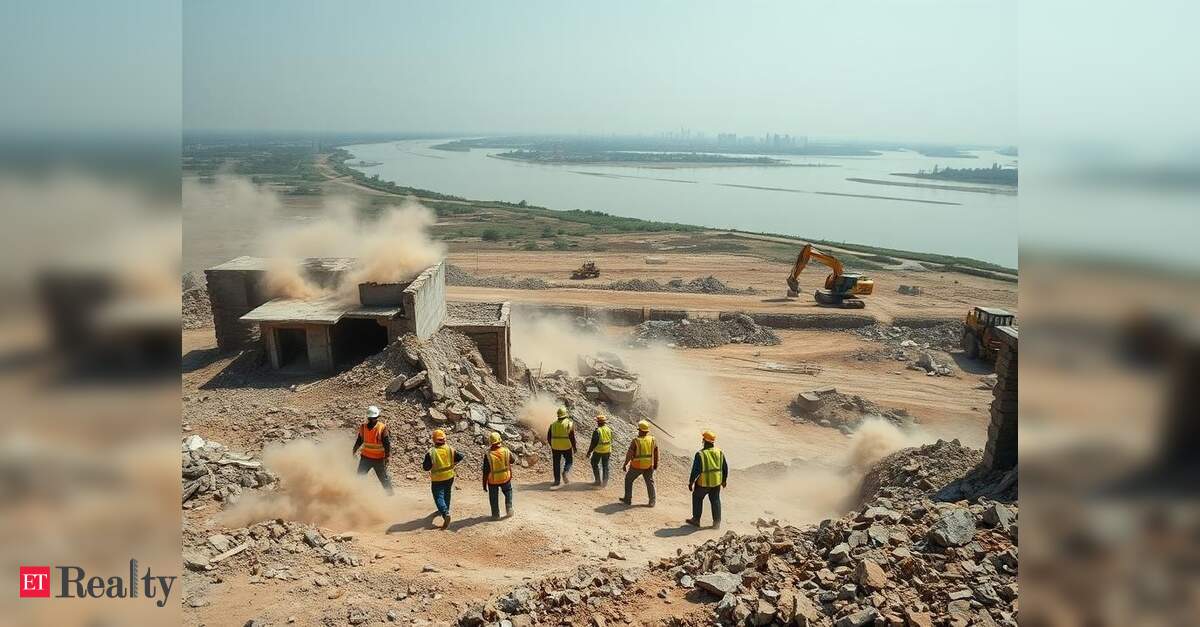
MUMBAI: In light of increasing redevelopment-driven construction in the city, the BMC has established a standard operating procedure (SOP) to manage construction and demolition (C&D) waste effectively. According to the circular, all developers, contractors, infrastructure agencies, and government bodies must segregate waste at its source into two distinct categories: excavation material and construction debris. Penalties for non-compliance can reach Rs 25,000 per vehicle per incident, with stricter consequences for repeat offenders.
Excavation material includes soil, murum (crushed rock), and earth, while C&D waste encompasses debris produced from construction and demolition activities. Mixing these categories is strictly prohibited, and responsibility rests on the waste generator. To enhance compliance, BMC mandates transporters handling C&D waste to install vehicle tracking and monitoring systems (VTMS) for real-time tracking from generation to final disposal. Vehicles lacking active tracking systems will be considered non-compliant and denied access to disposal sites. Currently, Mumbai has over 2,000 ongoing construction projects.
Additionally, all projects—whether processed through the civic body’s AutoDCR system or not—must submit a comprehensive waste management plan (WMP) detailing the expected quantities of excavation, demolition, and construction waste. Disposal will only occur at authorized recycling facilities or designated sites like Deonar, with the transportation of such waste outside city limits being prohibited.
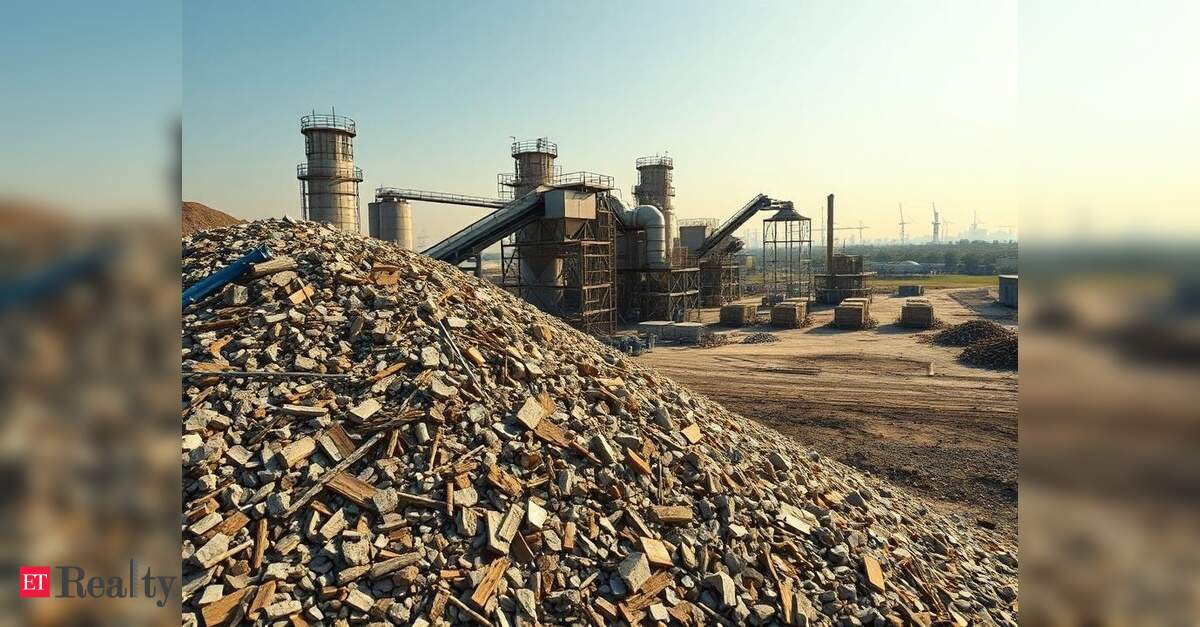
Mumbai operates two civic-owned C&D waste recycling plants—located in Dahisar and Shilphata—with a total processing capacity of 1,200 tons per day. Developers and contractors must register with these facilities to ensure compliance. For large infrastructure and government projects, a security deposit or bank guarantee of Rs 25 lakh or 0.1% of the project cost must be provided, and this will only be released upon verified proof of appropriate waste disposal.
To streamline operations, BMC has standardized fees for the collection, transportation, and processing of debris, along with a digital consent system for disposal sites. Smaller waste generators will still utilize the “debris on call” system.
BMC has also advocated for the reuse of excavation material in city projects to reduce dumping and encourage a circular economy. Material stored at Deonar will be repurposed for backfilling and infrastructure development. Officials state that the new framework aims to address systemic issues, prevent illegal dumping, and ensure the scientific management of the significant volumes of construction waste generated across Mumbai.