
NAGPUR: An innovative infrastructure model being tested in the Besa-Pipla Nagar Panchayat is sparking debates about the potential for Transferable Development Rights (TDR) to become a new form of currency for civic development initiatives.
Following the launch of what is considered Maharashtra’s first road project developed via a TDR-based framework, the local authority has initiated another such project, reigniting discussions about its sustainability and long-term viability.
Unlike traditional civic infrastructure projects funded through government grants or municipal budgets, the TDR-based model enables developers to undertake construction in exchange for benefits related to development rights. This approach significantly lowers direct financial burdens on local authorities and presents an alternative avenue for infrastructure development without waiting for state or central funding approvals.
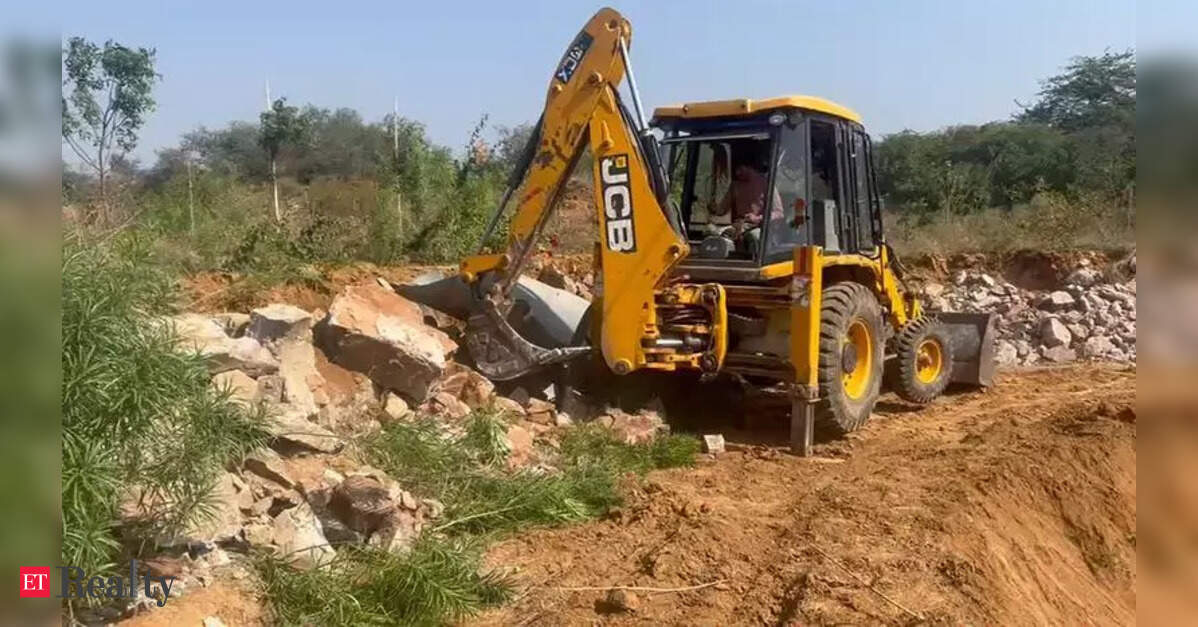
The current project in Besa-Pipla Nagar Panchayat involves building a road along with a side rainwater drainage system under a TDR agreement. Public Works Committee chairman Mukesh Kale noted that this road project has a TDR valuation of around Rs3.5 crore, representing the local body’s second initiative of its kind. However, the first project faced public scrutiny due to its division among four different contractors for various segments of the road.
As urban local bodies grapple with the need to enhance civic infrastructure amidst financial constraints, many are seeking out unconventional financing solutions. In Maharashtra, civic institutions are experimenting with various strategies, from corporate social responsibility initiatives in Nagpur Municipal Corporation to municipal bonds issued by larger bodies like Brihanmumbai Municipal Corporation. The TDR mechanism is now emerging as a viable option for fostering development due to its cost-free nature for municipal entities.
Advocates of the TDR model argue that it offers flexibility and allows for faster infrastructure advancement in rapidly developing urban areas, where public funding delays can hinder progress.
Prominent city developer Shravan Kukreja views this model as a practical option under certain conditions. He mentioned its usefulness in situations where government agencies experience delays or are unable to commence development work immediately.
Kukreja further explained that rather than having authorities purchase TDRs separately and make payments elsewhere, developers can invest directly in local infrastructure projects, benefiting both civic bodies and residents.
However, he cautioned against fragmentation in project execution, emphasizing that ideally, infrastructure projects should remain under the management of a single developer. “Dividing projects among multiple entities could lead to operational challenges and poor coordination,” he stated.
Others in the construction field believe that coordination may not pose a significant issue, given that civic projects adhere to specific standards and technical guidelines. Still, some contractors contend that TDR can be a premium or resource-intensive option that might not be feasible for every stakeholder. Contractors engaged in several public works often prefer direct payment models over development rights incentives.
While authorities are diligently overseeing execution and quality, the overarching question remains whether TDR can evolve from a planning tool into a practical financing model for infrastructure. As more civic bodies pursue innovative ways to address funding gaps, the Besa-Pipla case could become a key study in urban development across Maharashtra.