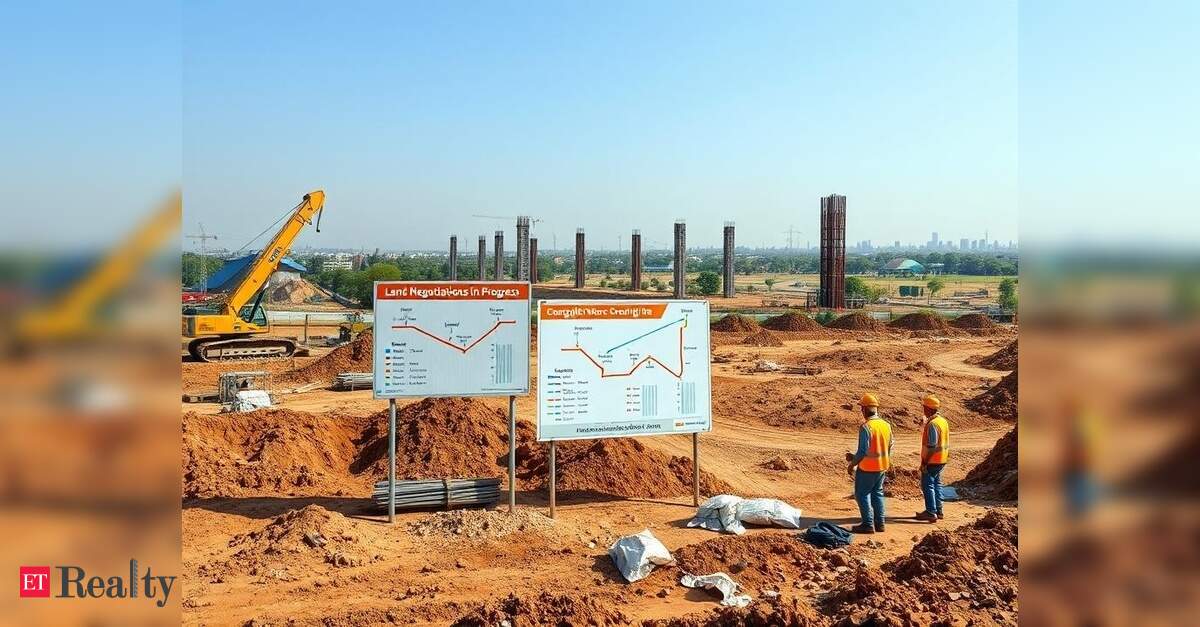
LUDHIANA: Local real estate developers have called on district officials to take action against the rapid growth of illegal colonies, arguing that these unauthorized developments lead to financial losses for legitimate builders, reduce government revenue, cause long-term difficulties for residents, and promote unplanned urban expansion.
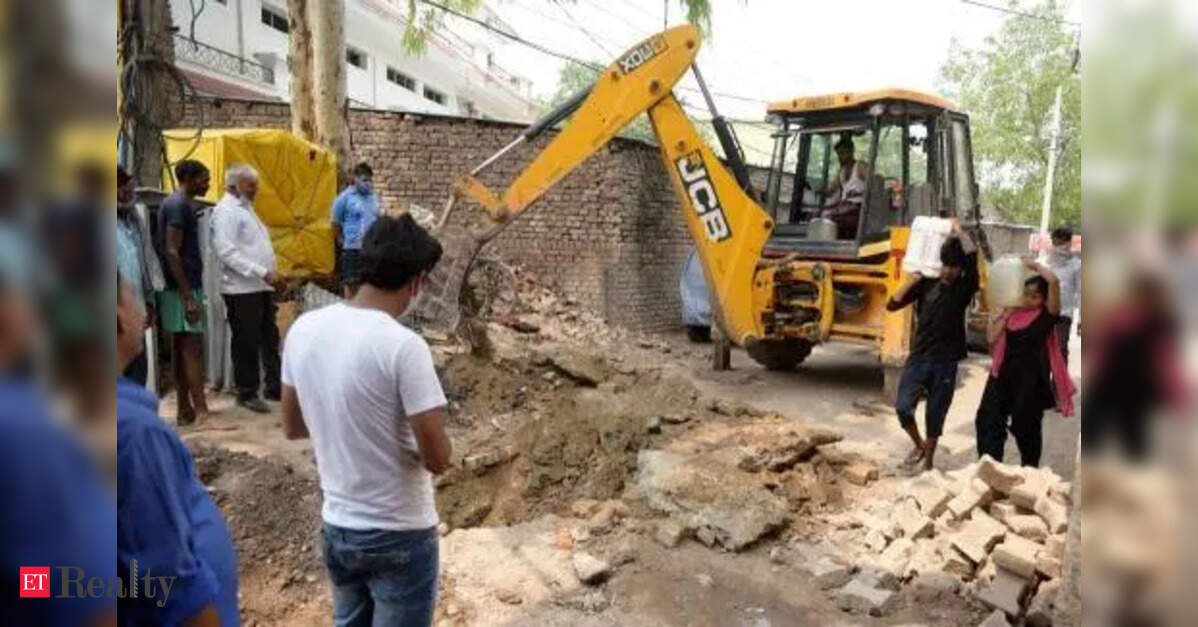
Industry stakeholders point out that once illegal colonies are set up and residents move in, reversing the situation becomes extremely difficult. Actions such as demolition can result in homelessness for families, creating complex legal and social issues. Developers questioned the lack of proactive measures by authorities to prevent these projects before they begin, suggesting the need for a strong mechanism to stop such practices at their inception.
Concrete Jungle, Paper Tigers
Rohit Puniani, a representative of a leading developer firm, emphasized the disadvantage faced by legitimate developers who invest significantly in land purchase, obtain Change of Land Use (CLU) certifications, and secure required approvals for infrastructure development like roads and drainage. In contrast, illegal developers often circumvent regulations by merely subdividing agricultural land into plots and selling them at lower prices without oversight.
Puniani further stated that this trend results in considerable losses in stamp duty, development charges, and other fees for the government. Buyers ultimately suffer from inadequate amenities and face legal uncertainties. Sahib Chawla, a developer from Model Town Extension, noted that unauthorized colonies are frequently established in plain sight. He remarked that colonizers quickly profit and disappear, leaving investors to deal with the ramifications when enforcement agencies arrive with demolition equipment.
Chawla also highlighted that corruption and legal loopholes sometimes enable the registration of these plots, complicating matters for unsuspecting buyers. Developers collectively argued that these areas lack proper planning, leading to narrow roads and no green spaces, thereby placing an unsustainable strain on civic infrastructure like water supply and sewerage.
To address these issues, builders like Gagandeep Singh from Mundian have called for regular inspections, continuous monitoring of land-use changes, and significant penalties for violations. They stressed that without stringent measures to ensure only approved developments proceed, the district will continue to face lasting urban challenges that negatively affect the government, legitimate builders, and the public.