MUMBAI: The real estate sector in Mumbai is facing serious challenges, with slowing construction, rising costs, and slipping delivery timelines. An ongoing labor shortage and the increasing cost of materials, fueled by geopolitical tensions, have caused an execution crisis in the industry.
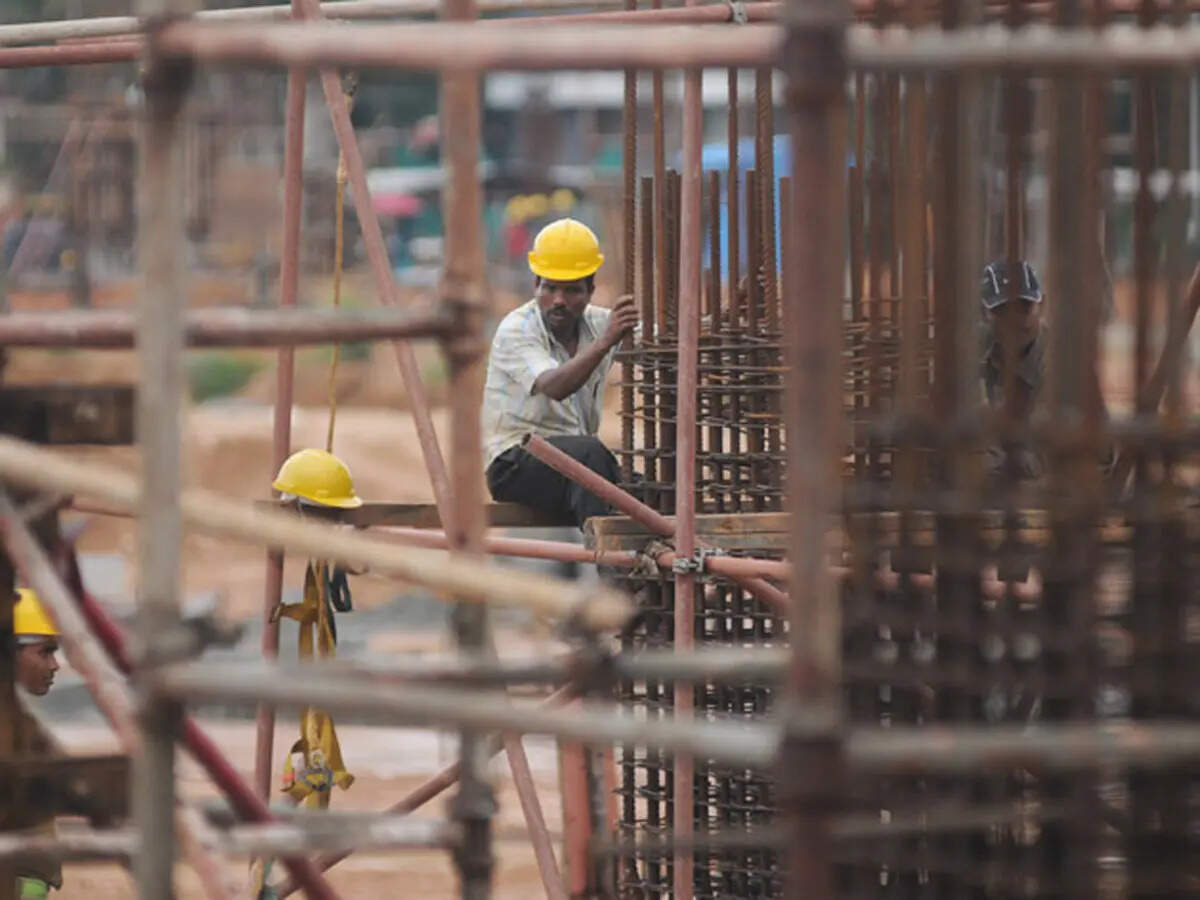
The sector has traditionally relied on skilled workers from states like West Bengal, Odisha, Uttar Pradesh, and Bihar. However, recent shifts in regional dynamics and economic opportunities have caused thousands of these laborers to return home.
According to developers, this is not a fleeting issue; it appears to be a significant structural shortage. Vishal Ratanghayra, founder and CEO of Platinum Corp, noted, “As migrant workers leave construction sites and global conflicts disturb fuel supply chains and materials availability, developers face challenges from multiple fronts. These issues are not just impacting execution but are also redefining project viability, increasing construction costs, and leaving the market uncertain.”
“Construction expenses account for 30-35% of a project’s total cost. A 25-30% surge in these costs could elevate overall project expenses by at least 10%,” he explained, noting that such increases would likely be transferred to buyers unless developers take a hit on their already narrow margins.
The situation has been exacerbated by disruptions in Morbi, Gujarat, the country’s ceramic and tile capital, where many factories have closed or reduced operations. This has caused immediate shortages of crucial tiles and finishing materials needed for the completion of construction projects.
Parthh Mehta, chairman and managing director of Paradigm Realty, mentioned, “This is not merely a slowdown on paper — it presents daily challenges on-site. Reverse migration from West Bengal, Odisha, Uttar Pradesh, and Bihar has diminished our skilled workforce by 15-20%, not only affecting numbers but also diminishing expertise in finishing trades. This loss notably impacts luxury housing delivery timelines.”
He added, “Due to the conflict in West Asia, propane costs have doubled, leading to the shutdown of over 400 factories in Morbi, turning tile and ceramic supplies from dependable to scarce. Prices have already increased by ₹2-₹3 per square foot, with a 20-30% rise anticipated when production resumes.”
“The dual pressures of labor shortages and material disruptions are straining timelines and cost buffers. With labor constituting nearly a third of project expenses, the implications are significant. Ultimately, buyers will suffer the consequences, balancing rent and EMIs while waiting for delayed possessions,” he stated.
Mayur Shah, vice-chairman of Marathon Nextgen Realty, expressed that shifts in workforce, factory closures, and escalating costs could lead to delays and regulatory extensions reminiscent of those experienced during the Covid-19 pandemic.
“Developers must enhance their forecasting and execution capabilities. Despite tighter margins, well-capitalized firms are more positioned to protect timelines and maintain buyer confidence,” he added.
Prashant Khandelwal, joint secretary of CREDAI-MCHI and director and Chief Executive of Agami Realty, highlighted that the combined effects of labor shortages and cost increases are placing ongoing pressure on the delivery and profitability of real estate projects.