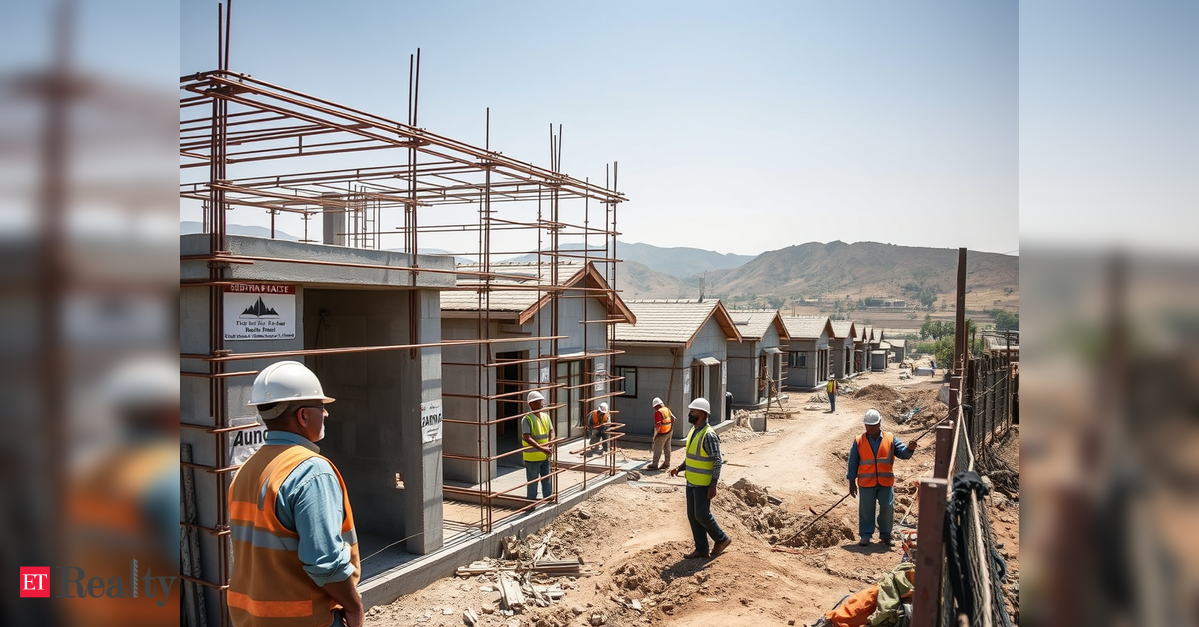
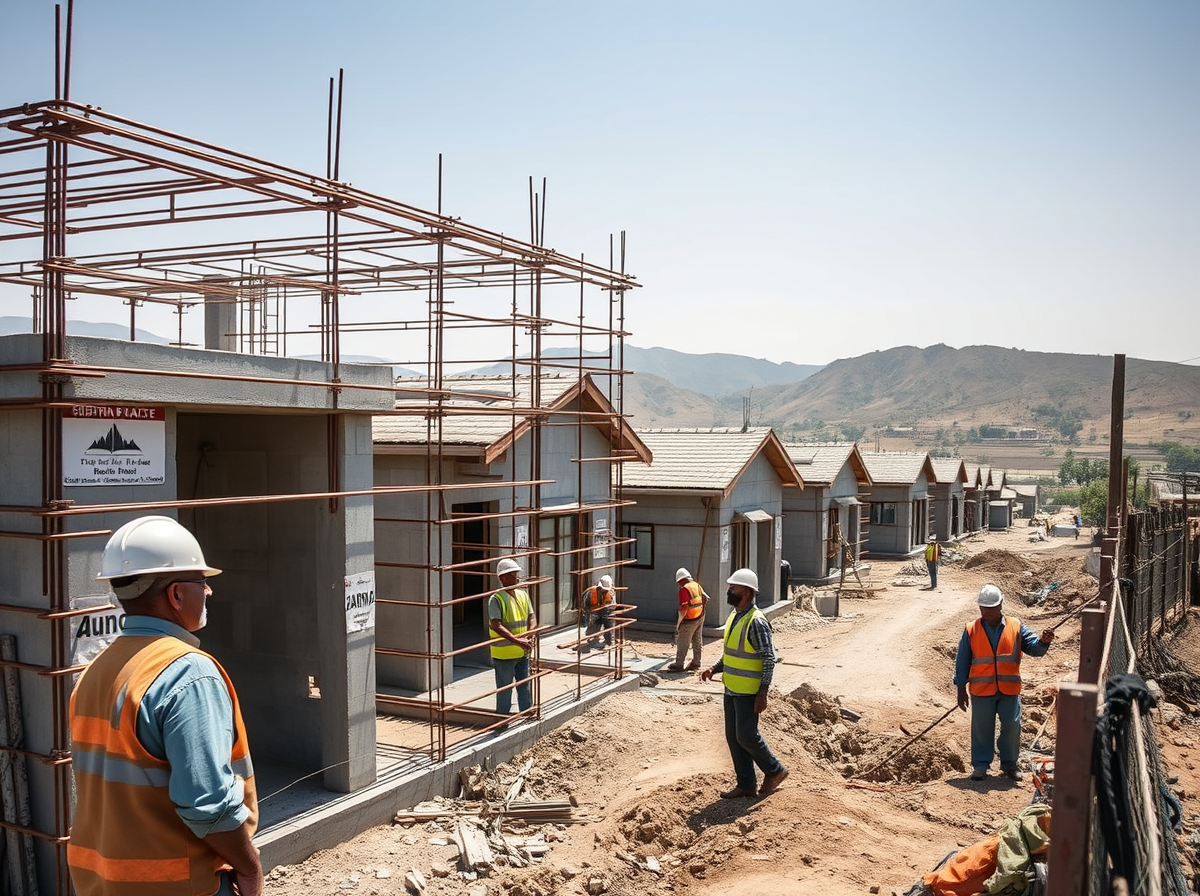
CHHATRAPATI SAMBHAJINAGAR: In a proactive step, the Hingoli district administration has mandated that all new constructions, including those under the Pradhan Mantri Awas Yojana (PMAY), be designed to withstand earthquakes in specified seismic zones. This decision follows a notable increase in seismic activity, with the district experiencing 36 earthquakes in recent years.
District collector Rahul Gupta stated that Hingoli will be the first district in India to enforce earthquake-resistant building standards for PMAY beneficiaries in areas susceptible to frequent seismic events. The administration has consulted the Central Building Research Institute (CBRI), Roorkee, to establish suitable construction guidelines.
Under the proposed regulations, new homes constructed within a 5km radius of identified earthquake epicentres must adhere to the designs and engineering practices recommended by CBRI. “These structures will be engineered to resist earthquakes of up to magnitude 6 on the Richter scale. While tremors in the district were generally around magnitude 2.5 a decade ago, their intensity has markedly increased,” Gupta noted.
The district administration is also training local masons and workers on earthquake-resistant construction techniques. “Implementing this technology will not significantly inflate construction costs. However, retrofitting existing homes will incur approximately Rs 150 per sqft,” the collector mentioned.
Additionally, the district aims to motivate owners of existing houses in vulnerable areas to consider retrofitting their homes to meet the necessary safety standards.
This initiative arises amidst heightened seismic activity, with Hingoli recording 36 earthquakes, including a significant one measuring 4.6 on July 9. Between 2017 and 2021, most tremors were between magnitudes 3 and 3.5. The 2021 4.4-magnitude quake, followed by the recent intensity, has triggered the need for long-term measures.
The CBRI will analyze the seismic waves pertinent to the region and suggest construction methodologies that minimize structural damage during earthquakes. Gupta explained, “The initial set of seismic waves causes vertical movement in structures, quickly followed by waves that produce horizontal forces, amplifying the risk of collapse. Employing scientific construction techniques to mitigate these horizontal forces can significantly enhance a building’s resilience.”
The administration intends to integrate CBRI’s recommendations into upcoming government housing and private construction projects in designated seismic zones. Existing homeowners will also be encouraged to retrofit their residences to bolster safety.
The goal is to establish a resilient housing stock that lessens potential loss of life and property as the district continues to endure frequent and stronger earthquakes. “Combining earthquake-resistant construction initiatives with extensive training for local masons and engineers will substantially enhance the district’s readiness for future seismic threats,” an official stated.