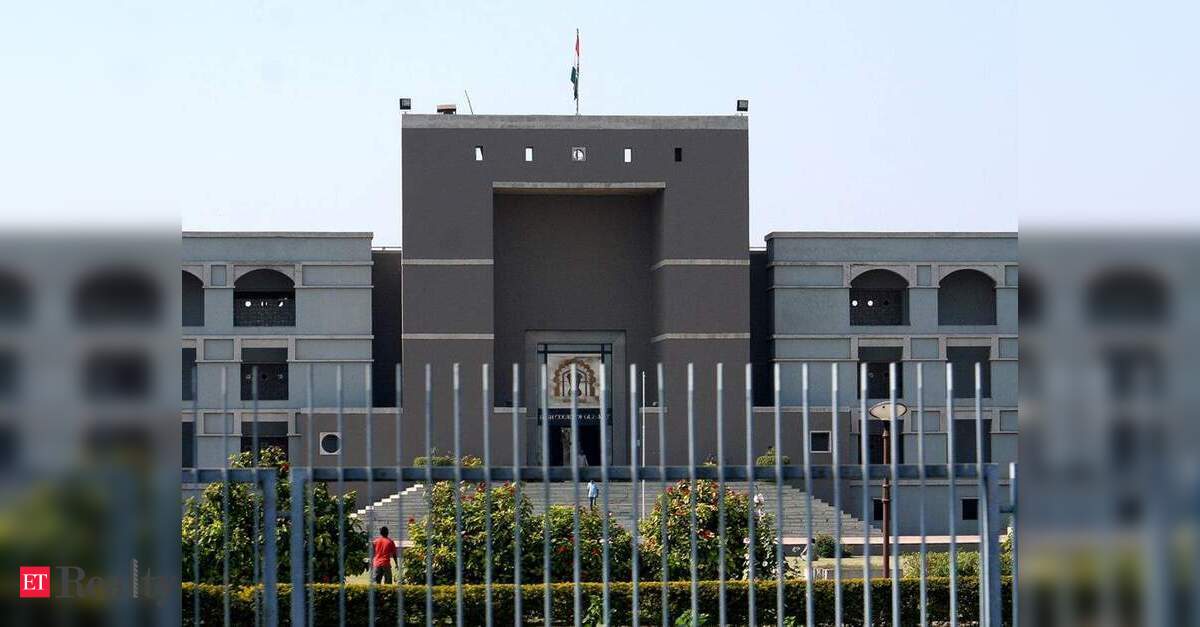
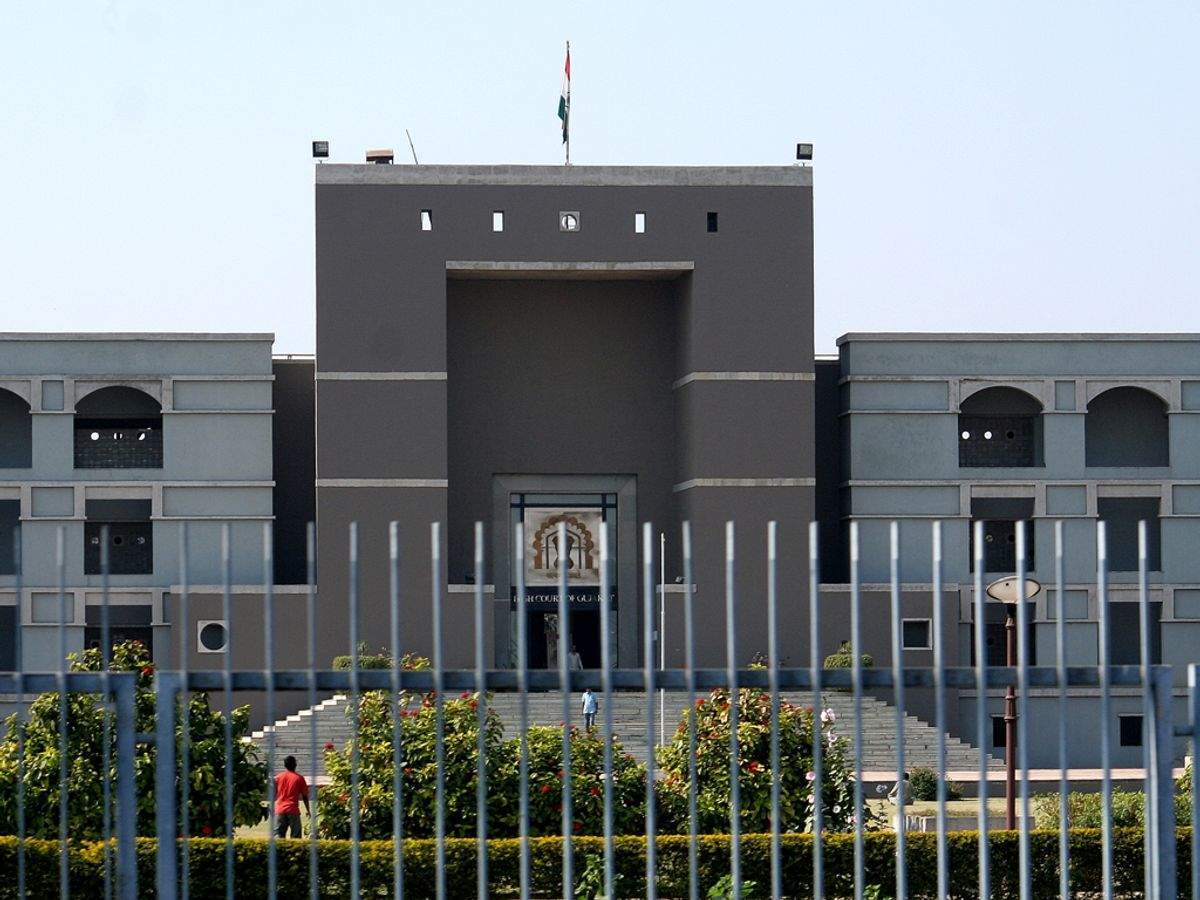
AHMEDABAD: The Gujarat High Court issued an important ruling on Thursday, directing the Airports Authority of India (AAI) and relevant authorities to conduct an aeronautical survey of buildings after complaints from six developers. These developers received demolition notices for construction exceeding permitted heights, posing a potential risk to flights near Sardar Vallabhbhai Patel International Airport.
Advocate Nimit Shukla, representing one of the developers, stated, “The developers—Mahil Infra, Abjibapa Infra, Preyas Infra, Balaji Developers, Kalash Infra, and Parth Developers—constructed multiple towers with a maximum height of 102.7m in Hanspura, Naroda, Nana Chiloda, and adjoining areas, all with the necessary clearances from authorities. However, the authorities claim that the excess construction was unauthorized and needs to be dismantled.”
In petitions filed in 2024, the builders contested the demolition notices and requested aeronautical studies to prove their constructions adhered to municipal development permissions. They asserted that any discrepancies in height were due to variations in recorded ground elevation, not from unauthorized additional constructions. They sought clearance under the Union Ministry of Civil Aviation’s Height Restrictions for Safeguarding Aircraft Operations Rules, 2015.
The AAI opposed the builders’ petitions, arguing that they had breached the original NOCs (No Objection Certificates) and asserted that revised clearances or aeronautical studies could only be considered once the structures conformed to the original permissions. The authority also countered the builders’ claim regarding changes in ground elevation, stating the site elevation figures were provided by the petitioners themselves.
Following the hearing, Justice H. M. Prachchhak remarked, “The respondents’ insistence that the petitioners must first remove the disputed portions of construction before any survey is conducted is unjustifiable and untenable regarding the facts of this case.” The High Court mandated the authorities to conduct an aeronautical survey, with costs borne by the developers.
The court found the refusal to consider aeronautical studies prior to insisting on demolition irrational and arbitrary, especially when similar nearby projects had been granted revised height permissions. It noted the authorities’ failure to adequately evaluate the situation, indicating that their oversight was detrimental to the adjudication process.
In quashing the demolition notices, the High Court stated that the authorities could order the removal of excess structures only after the survey is completed.