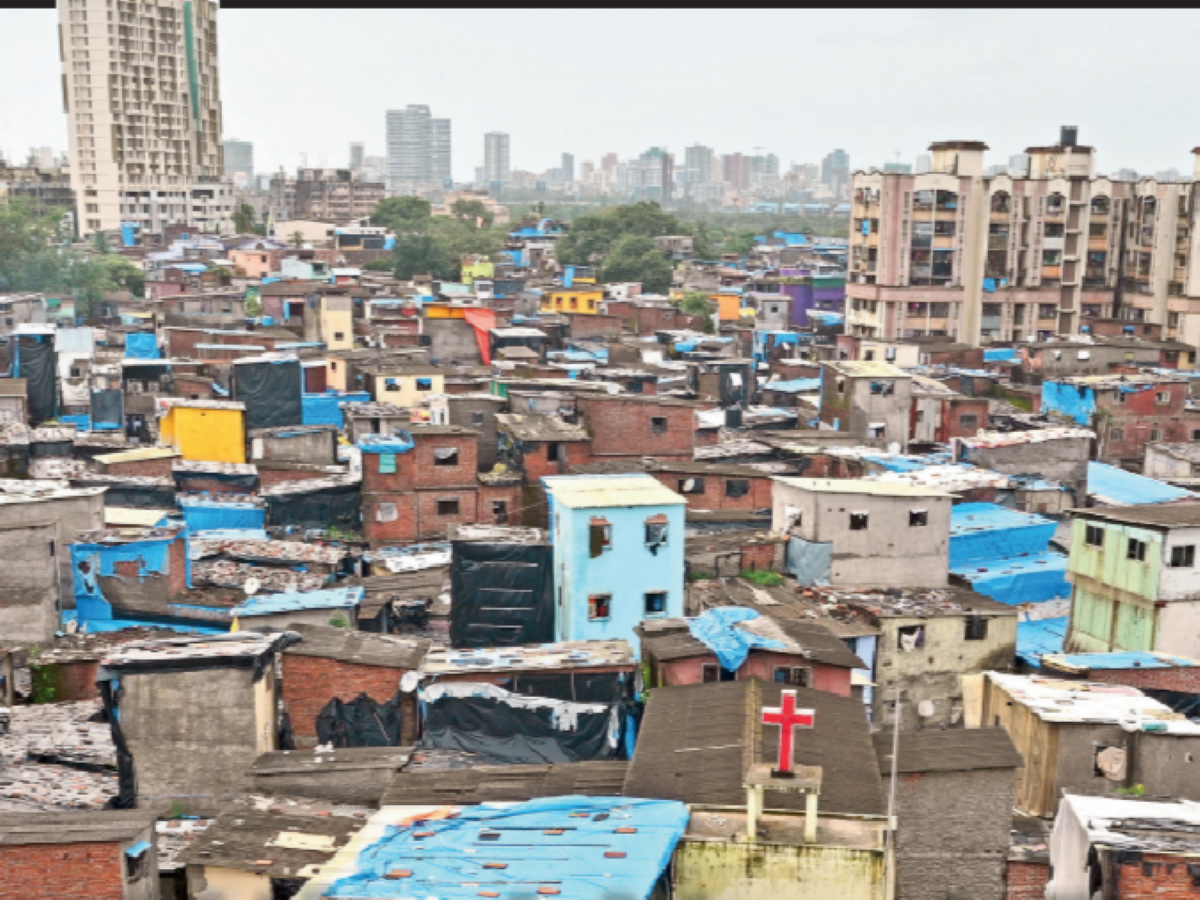
MUMBAI: On Tuesday, Maharashtra Chief Minister Devendra Fadnavis stated that the Dharavi Redevelopment Project is more than just a housing scheme; it represents an economic transformation. He confirmed that the first phase of approximately 10,000 homes is set to be completed in the next 18 months.
During the legislative assembly session, Fadnavis highlighted that eligible residents will be rehabilitated on-site, while others will be offered homes at nearby locations.
Additionally, he mentioned that the state has identified 19 cluster redevelopment projects across Mumbai as part of its urban renewal strategy.
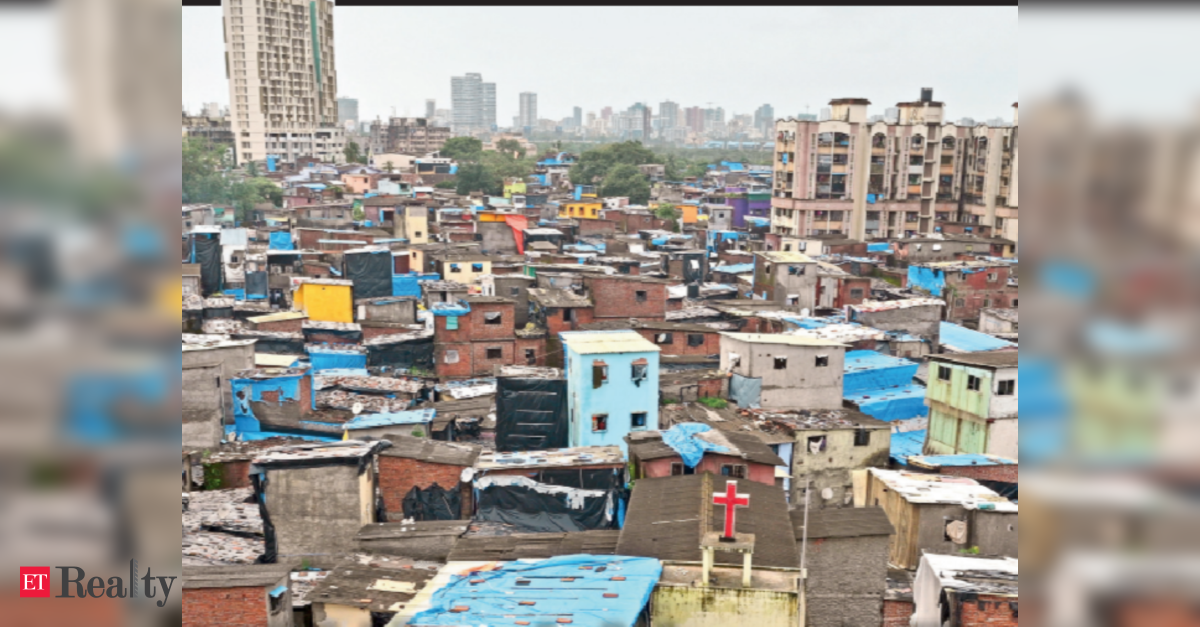
The Dharavi Redevelopment Project aims to transform Asia’s largest slum in central Mumbai into a modern, transit-oriented hub while preserving the critical informal economy and local industries. The initiative officially began in January 2025.
Fadnavis outlined that the project aims for around 95 million square feet of development, integrating housing, commercial activities, and employment generation.
All eligible residents are set to receive 350-square-foot homes in Dharavi. Those covered by the extended 2011 eligibility criteria can also be accommodated by paying a prescribed fee of Rs 2.5 lakh. Ineligible residents will not be relocated far away but rehabilitated in nearby areas, he added.
The Chief Minister stated that the plan is to finish the first phase of approximately 10,000 housing units within the next 18 months.
He described Dharavi as a future growth engine for Mumbai, asserting that the redevelopment will formalize informal economic activities and provide modern infrastructure for residents and businesses.
Regarding city-wide redevelopment efforts, Fadnavis noted that a cluster redevelopment model is being employed to ensure organized growth while maintaining open spaces.
Nineteen redevelopment clusters have been identified across Mumbai, with work on the first cluster already underway. This model is designed to facilitate large-scale renewal of aging structures and enhance civic infrastructure.
He also mentioned the proposed underground tunnel that will link north and south Mumbai, enabling signal-free connectivity and significantly reducing travel time to the city’s business district. Expected completion is by October 2027, which will alleviate congestion on major roads and improve commuter connections.
Addressing chronic parking issues in the city, Fadnavis announced plans for an underground robotic parking plaza with a capacity of 640 cars and 112 two-wheelers. Another underground parking project is also in the pipeline.
Moreover, the government is exploring advanced parking technologies from other countries for potential implementation in Mumbai, as per the Chief Minister’s comments.
On solid waste management, Fadnavis noted that the Brihanmumbai Municipal Corporation (BMC) has initiated waste-to-energy projects to manage municipal waste efficiently and decrease reliance on dumping sites, with substantial financial allocations for these projects.
Recalling the lessons from the COVID-19 pandemic, Fadnavis emphasized the urgent need for enhancements to the city’s healthcare infrastructure.
The government is undertaking projects to add approximately 8,000 hospital beds and has introduced an integrated Hospital Management Information System (HMIS) that digitally links hospitals, allowing access to patients’ treatment records and medical history across various facilities.
According to the Chief Minister, several incentives have been introduced to expedite self-redevelopment in old housing societies, including interest concessions and policy support. Redevelopment initiatives are currently progressing in multiple older housing colonies throughout Mumbai.
Fadnavis set an ambitious target of constructing 7.8 lakh housing units in the Mumbai Metropolitan Region by 2030. Construction on more than 2.39 lakh units has already begun, while planning is underway for an additional 5.43 lakh units at various stages.
Describing the Dharavi Redevelopment Project as a substantial economic transformation effort, rather than a mere housing scheme, Fadnavis reiterated that close to 95 million square feet of development is planned.
Eligible residents will receive 350-square-foot homes in Dharavi, while those under the extended 2011 eligibility criteria will also find accommodation after making the requisite payment. He clarified that ineligible residents will be rehabilitated closer to their original locales.
Additionally, Fadnavis highlighted tech-driven governance initiatives implemented by the BMC, such as the MyBMC grievance resolution platform, WhatsApp-based citizen services, and an innovative digital twin of Mumbai created through aerial photography, GIS mapping, cadastral surveys, and 360-degree imaging aimed at enhancing urban planning and civic administration.