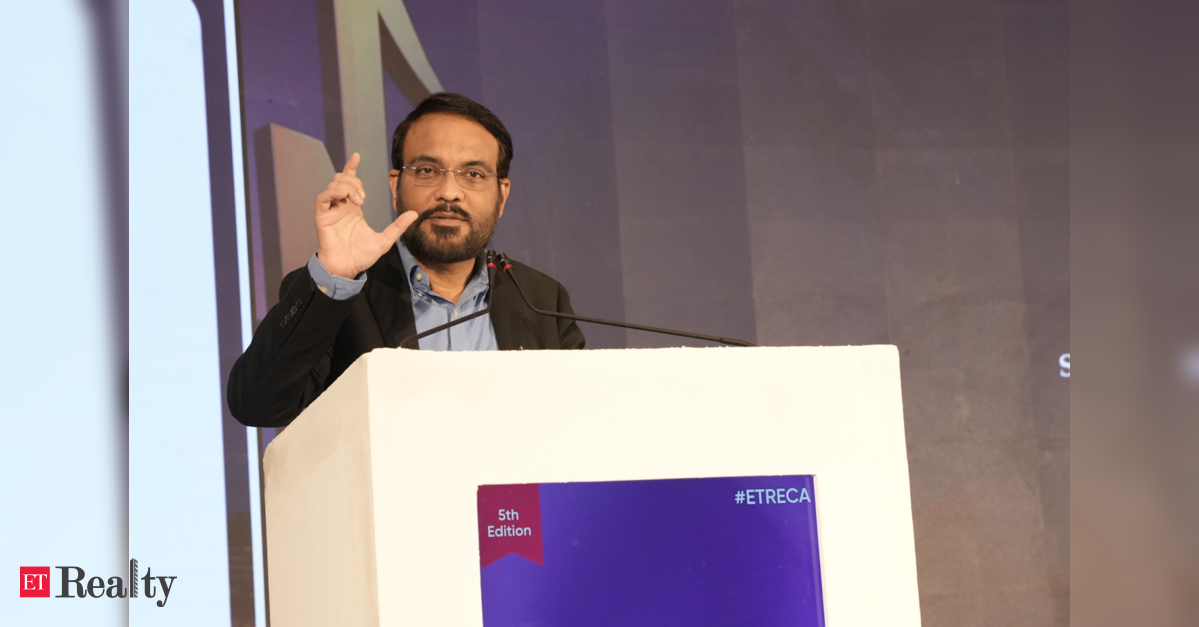
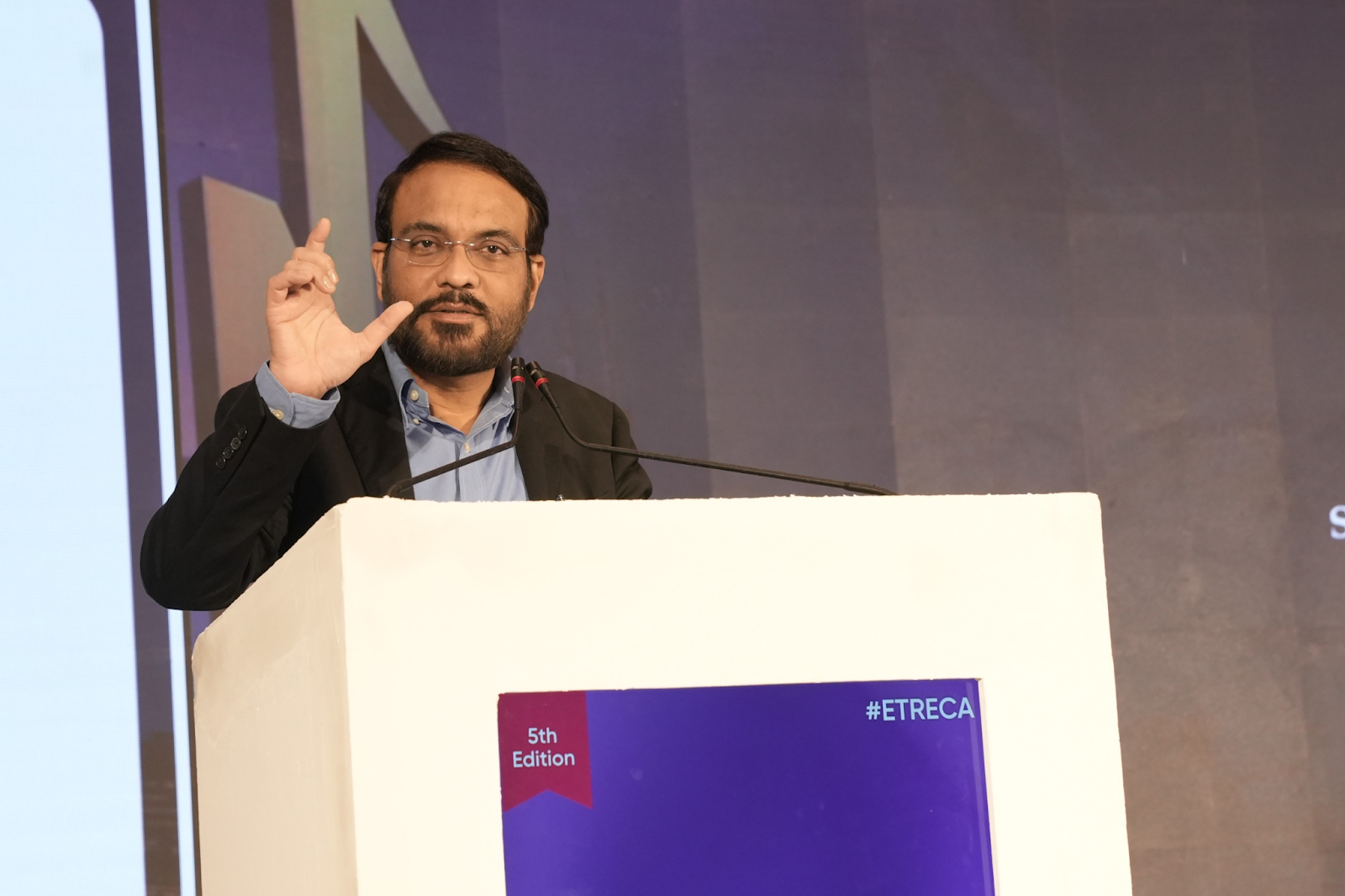
At the RealtyDailyNews Realty Real Estate Conclave 2026, Sanjeev Jaiswal (IAS), Vice-President and CEO of the Maharashtra Housing and Area Development Authority (MHADA), outlined a strategic roadmap to address Mumbai’s growing housing affordability challenges. With land constraints, high premiums, and complex redevelopment issues shaping the real estate landscape, Jaiswal emphasized the importance of cluster redevelopment and policy reforms as key solutions.
Describing the issue, Jaiswal noted Mumbai’s decreasing land availability and increasing housing costs. “The affordability index is nearly 50, meaning that half of a family’s income goes towards EMI when purchasing a home,” he stated, highlighting the strain on middle-income and EWS/LIG groups. He suggested that adjusting premiums, development charges, and taxes related to affordable housing could relieve some financial pressure, with a potential 25% reduction in prices through calibrated cuts.
With about 90% of the city’s developable land already in use, MHADA is making a decisive shift toward cluster redevelopment. “We are opening up 800 to 1,000 acres for cluster redevelopment—something unprecedented,” he remarked. Projects like GTB Nagar and Abhyudaya Nagar are well underway, with more clusters in development. This approach aims to transition from isolated building-level redevelopment to comprehensive layouts spanning 60–100 acres, effectively creating “small townships within the city” complete with planned infrastructure and green spaces.
MHADA’s redevelopment strategy aligns with Maharashtra’s broader housing objectives, aiming for 2.8 million affordable homes to be constructed across MMR by 2030. MHADA plans to manage nearly 800,000 units through various initiatives. “In the past two and a half years, we’ve delivered nearly 50,000 homes,” Jaiswal noted, adding that 60–70% of future offerings will stem from approved or upcoming cluster projects. The authority anticipates generating significant housing stock for EWS and LIG segments in the next five to seven years.
Jaiswal also highlighted the necessity of connectivity-driven growth, referencing infrastructure upgrades like metro corridors, the Navi Mumbai International Airport, and new township models as vital components that could redistribute demand across MMR. At the same time, he warned developers about potential discrepancies between supply and demand along with risks of unsold inventory. “An increase in supply may not immediately align with demand,” he cautioned, advocating for a diversified housing strategy under the new 2025 housing policy that includes rental housing, student accommodations, women’s hostels, and housing for industrial workers.
In a direct appeal to developers, Jaiswal urged a more inclusive approach towards housing development. “Luxury housing will find its market. The challenge is with the middle class and first-time home buyers,” he stated, encouraging builders to include a social component in high-end projects. “If you allocate even 5–10% for affordable segments, while your margins may be less, you’ll gain public goodwill.”
As Mumbai navigates redevelopment challenges, ancient cess buildings, and growing urban aspirations, MHADA’s cluster-focused, policy-driven strategy represents a shift from fragmented approaches to comprehensive urban transformation. Jaiswal indicated that the success of this model could significantly influence the city’s ability to balance growth and inclusivity over the coming decade.