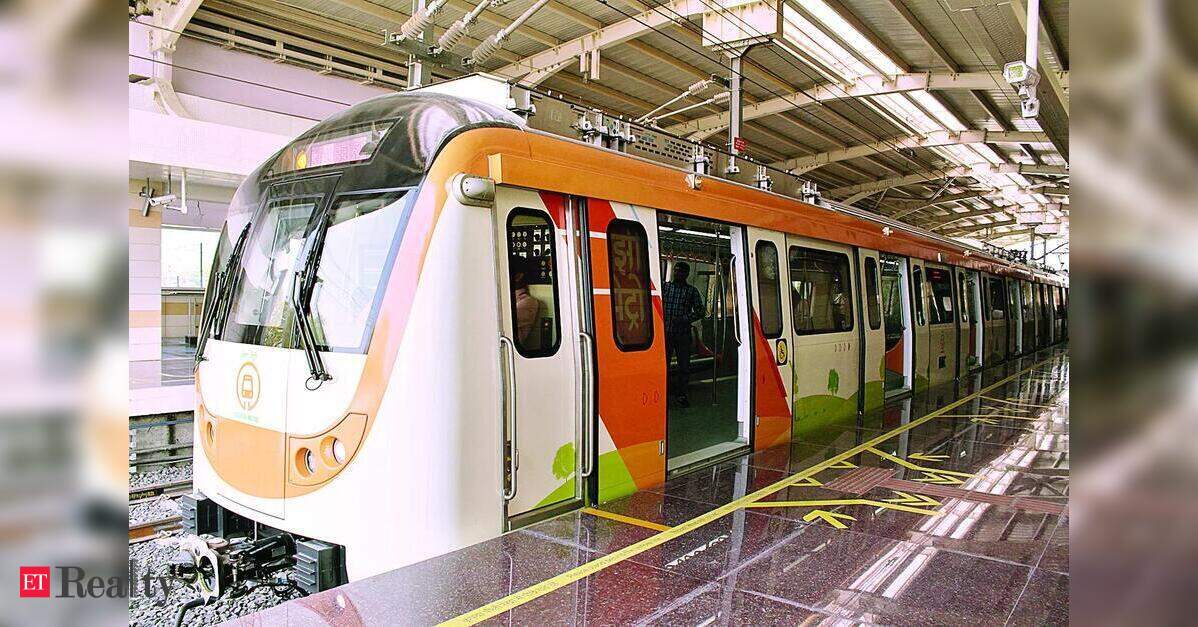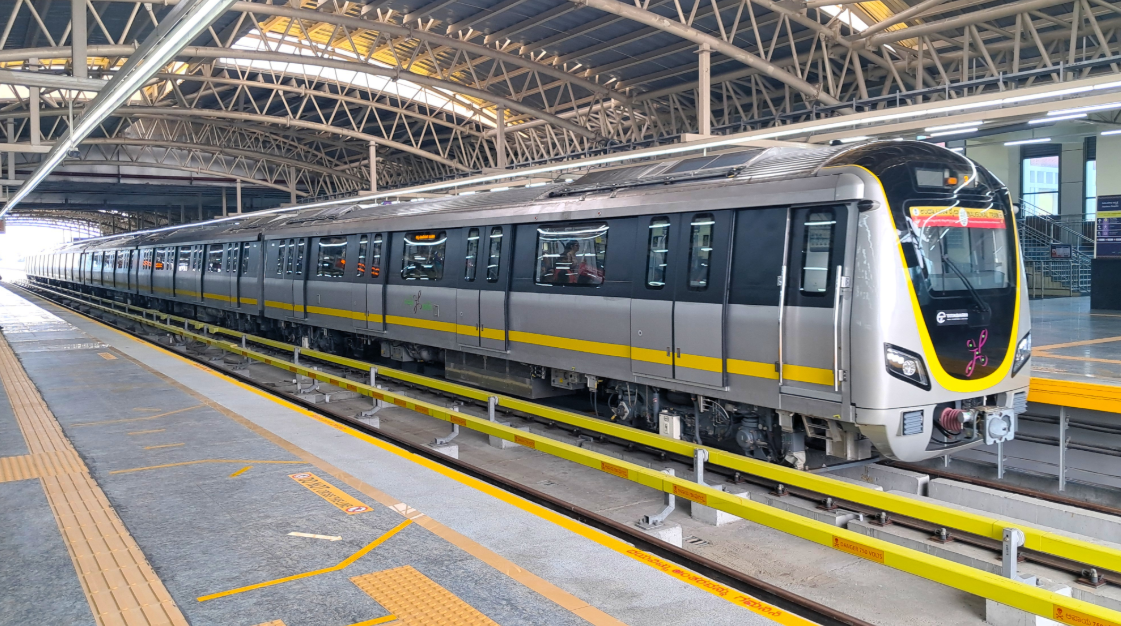
BENGALURU: In a major advancement for urban mobility in Bengaluru, the board of the Bangalore Metro Rail Corporation Limited (BMRCL) has sanctioned the construction of 40.56 km of double-decker elevated corridors as part of the upcoming Namma Metro Phase-3 project.
The proposed double-decker route will extend between JP Nagar–Hebbal and Hosahalli–Kadabagere, covering a total distance of 44.65 km.
The board plans to request the Karnataka government to cover the additional estimated expenses of ₹8,916 crore for this significant infrastructure expansion. A similar approach has already been executed on a 3-km stretch of Phase-2’s Yellow Line, linking Central Silk Board and Ragigudda, which cost ₹450 crore, where metro trains run above an existing elevated road. The success of this model has prompted the state to adopt it for extensive parts of Phase-3.
Approved by the Centre in 2024, Phase-3 of the metro includes two major corridors: JP Nagar 4th Phase to Kempapura (32.15 km) and Hosahalli to Kadabagere (12.5 km), with an overall estimated cost of ₹15,611 crore. While land acquisition for these corridors is already in progress, the initial Detailed Project Report (DPR) submitted to the Centre did not include the double-decker concept. The state government has revised the plan, viewing the model as a cost-effective solution to urban congestion and challenges related to land acquisition.
The double-decker design features two elevated layers: a roadway on the lower deck and metro rail on the upper deck, situated above the current ground-level road. This approach reduces land acquisition needs and construction disruptions while enhancing multimodal connectivity.
BMRCL commissioned a Hyderabad-based infrastructure consultancy to evaluate the feasibility of this project. The consultancy’s favorable report has been reviewed and approved by BMRCL. An extensive analysis was conducted on the viability of double-decker structures from Sumanahalli Cross to Kadabagere and from JP Nagar Station to BDA Complex and Nagarabhavi Station. The study encompasses designs for stations, lamp-post installations, and plans for depots and multimodal hubs near Peenya and Sumanahalli.
According to insiders, the civil construction costs for the double-decker segment are estimated at ₹26,368 crore, with land acquisition anticipated to cost ₹2,548 crore. BMRCL is expected to formally approach the state government within the next two weeks to seek approval and financial backing for the additional budget.