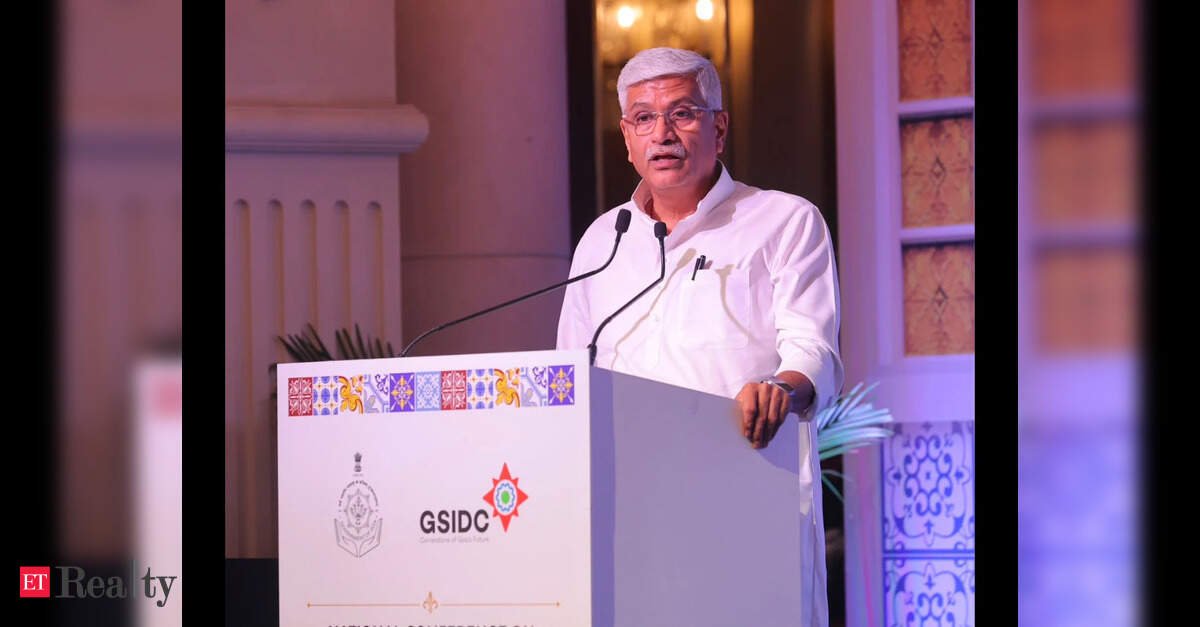
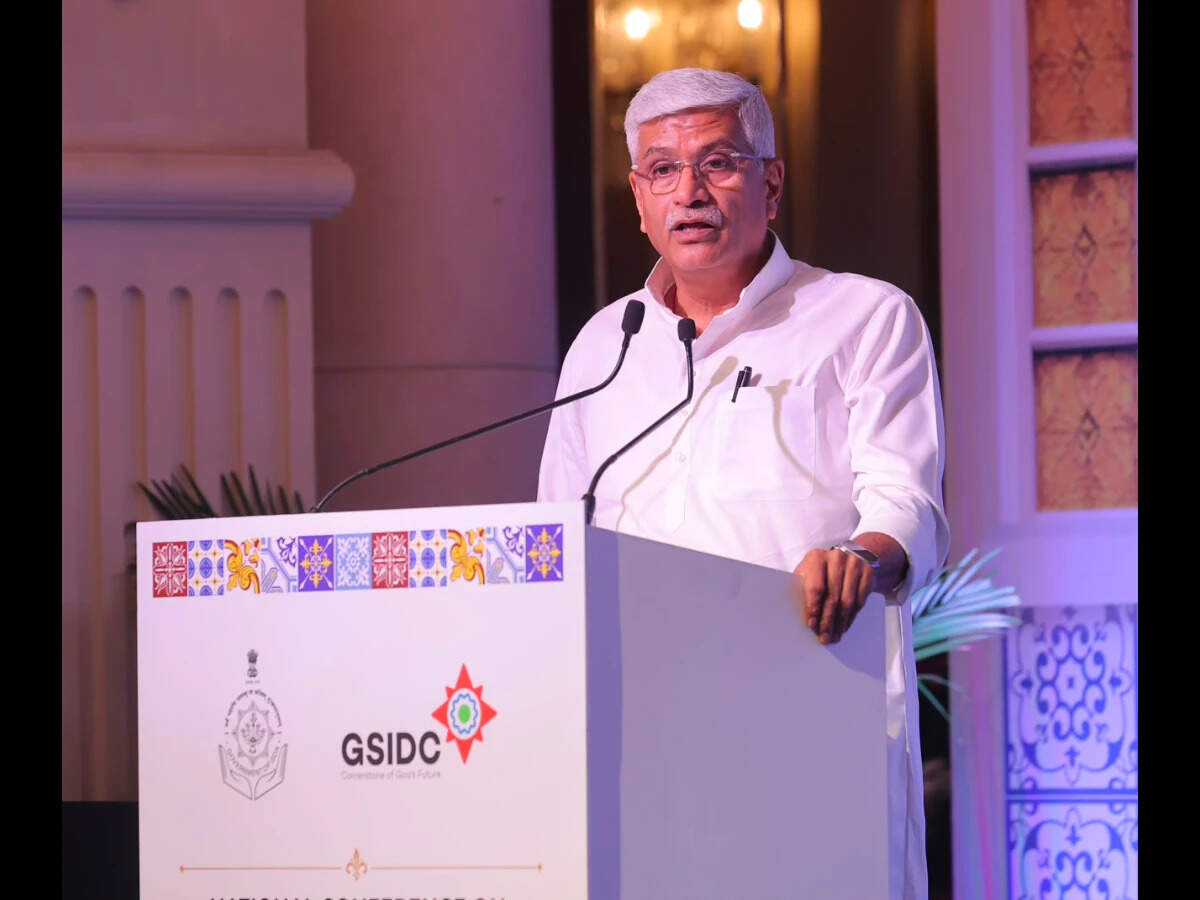
NEW DELHI: Union Minister for Tourism and Culture, Gajendra Singh Shekhawat, emphasized that India should not view sustainability as a recent concept imported from abroad, highlighting that the nation’s traditional architecture and cultural practices have always been in harmony with ecological balance.
During his address at the National Conference on Goan Architecture & Sustainability in New Delhi, Shekhawat stated that India’s architectural heritage illustrates a profound connection among architecture, nature, society, and the local climate.
“Heritage conservation goes beyond merely protecting historical structures; it encompasses our knowledge, lifestyle, intellectual heritage, and duty to the environment,” he remarked.
Shekhawat pointed out that Indian culture regards land, water, air, forests, and rivers as sacred elements deserving of respect and conservation.
He noted that this principle is integral to social and religious customs aimed at protecting natural resources.
According to him, traditional Indian architecture has always been designed to coexist with nature, promoting harmony rather than conflict.
“Buildings are not just static structures; they represent our respect for the environment,” he added.
Shekhawat explained that traditional homes and public buildings are crafted to engage with air, sunlight, and water, which ensures natural ventilation, daylight, and climate comfort.
In contrast, modern infrastructure often seeks to control natural conditions, while traditional designs foster a more harmonious coexistence with the climate and geography.
He referred to Goa, stating that the region’s architectural traditions exemplify how built forms can adapt to the coast, climate, rainfall, and the availability of local materials.
Shekhawat affirmed that Goa’s architectural wisdom serves as a model for integrating regional identity and sustainability into modern development, as emphasized by Chief Minister Pramod Sawant.
While the world is now exploring concepts like green buildings, passive cooling, and climate resilience, many of these principles have been integral to Indian practices for centuries.
He stressed that traditional building methods utilize local materials, conserve water, reduce heat gain, and create livable spaces tailored to local conditions.
“India does not need to modernize at the expense of its heritage. By preserving ancestral knowledge, we can advance in sustainable building and living,” he stated.
Shekhawat remarked that the climate crisis necessitates reevaluating how buildings and urban areas are designed.
He asserted that development should reflect the notion that the current generation acts as a steward of natural resources, responsible for passing them to future generations in improved condition.
He further noted that if previous generations had compromised sustainability, current society would not maintain the resource wealth it enjoys today.
The minister called for viewing India’s architectural and cultural heritage not just as relics, but as a living source of inspiration for future generations.
He concluded by emphasizing the importance of preserving traditional knowledge, not only for India’s own growth but also for positioning the country as a global leader in sustainable living and climate-responsive development.