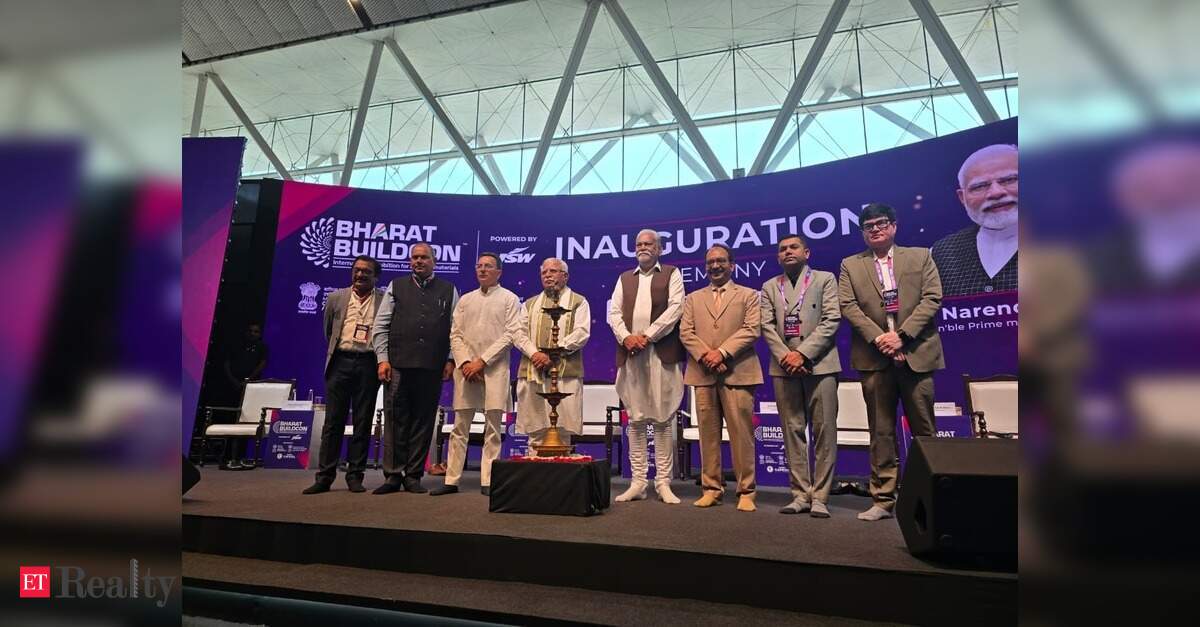
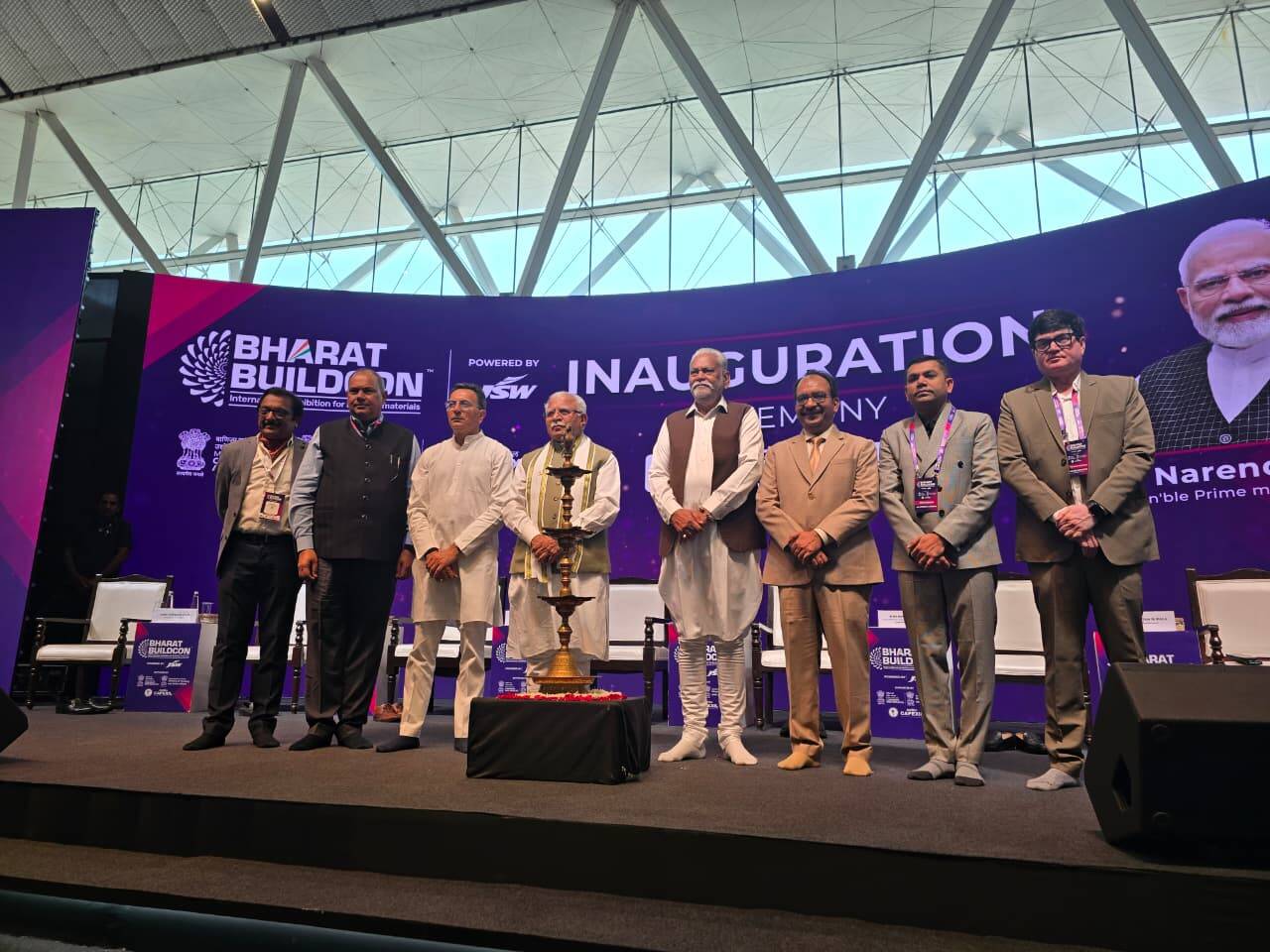
NEW DELHI: To address the demands of rapid urbanization, India must significantly enhance its construction activities, stated Union Minister for Housing and Urban Affairs, Manohar Lal Khattar, at Bharat Buildcon 2026.
Khattar emphasized that future construction efforts should prioritize speed, quality, durability, sustainability, and affordability.
He projected that India’s urban population will grow dramatically in the coming decades, leading to increased demands for housing, infrastructure, and public amenities. To meet these future needs, over one crore urban homes will need to be constructed annually, he noted.
Additionally, Khattar suggested implementing a durability certification system for buildings to reflect their expected lifespan. This initiative aims to provide consumers with clear insights regarding the safety and quality of structures, thereby promoting higher construction standards across the sector.
He mentioned that although modern buildings are typically designed for 60-70 years, India should explore technologies that could produce longer-lasting constructions where applicable.
Khattar urged for broader adoption of advanced construction technologies, such as prefabricated systems, 3D printing, engineered bamboo, and other innovative materials and methods that enhance construction speed, quality, and sustainability.
He stressed that sustainable practices must remain at the forefront of future developments, encouraging the increased use of recycled construction and demolition waste in new projects.
The minister highlighted that the government’s budget for infrastructure for the current fiscal year is ₹12.2 lakh crore. He further shared that India has over 1,155 km of operational metro rail networks across 29 cities, with an additional 950 km of metro lines currently under development.
Discussing regional planning in the National Capital Region, Khattar mentioned efforts to establish new urban centers and enhance connectivity through roads, railways, metro systems, and Regional Rapid Transit Systems to alleviate pressure on Delhi.
The construction sector, which currently contributes about 8% to India’s economy, is expected to expand its role in the near future, supporting jobs in MSMEs, startups, and among architects, engineers, designers, and building material producers.
Jitin Prasada, Minister of State for Commerce and Industry, noted that India’s manufacturing and construction sectors are witnessing increased global engagement. He explained that the country’s expanding free trade agreements could create new opportunities for Indian businesses, particularly MSMEs.
Prasada also indicated that digital platforms are enhancing efficiency within the construction sector, and the government will persist in improving the business environment for domestic and international investors.
Parveen Jain, president of NAREDCO, expressed that the proposed durability certification framework could strengthen consumer trust, boost accountability, and elevate construction standards.