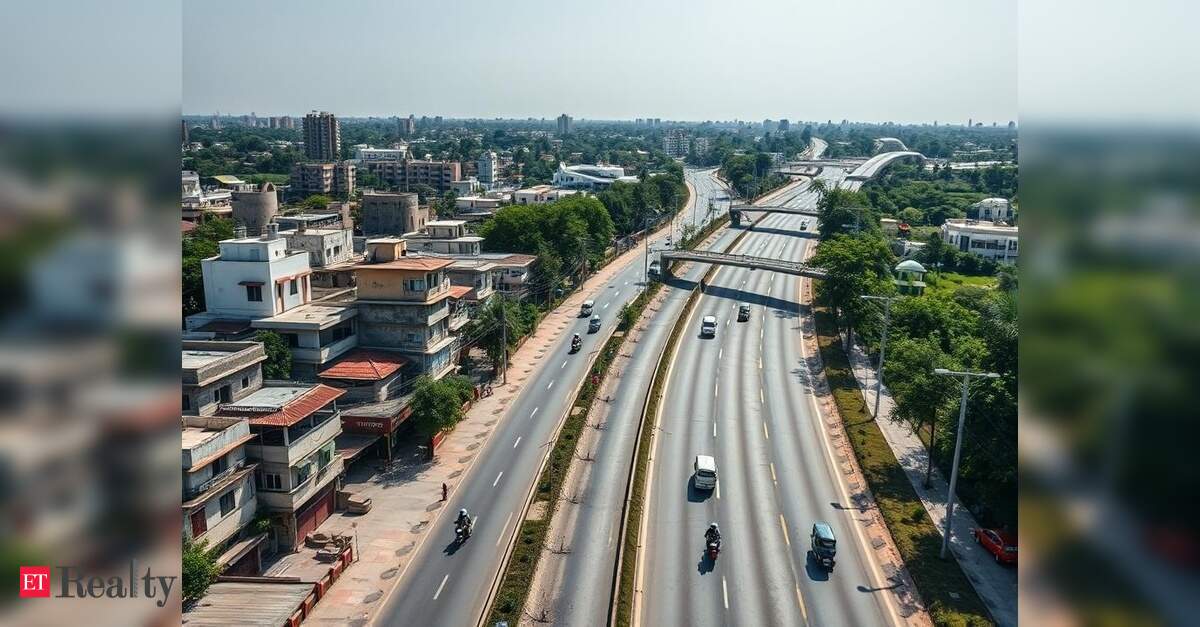
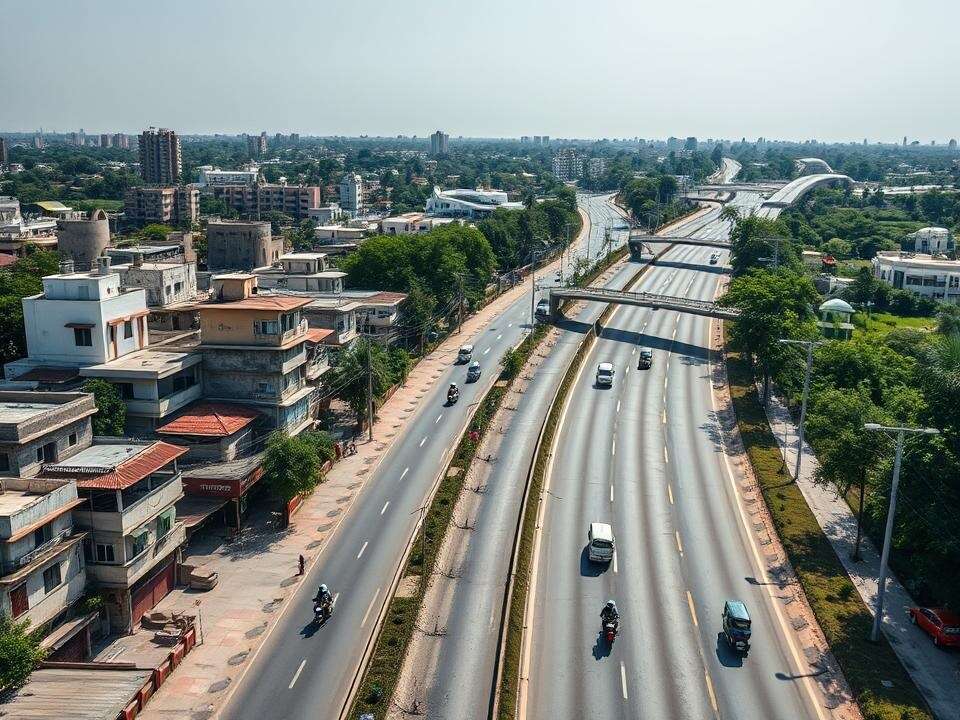
NEW DELHI: The government has released updated regulations for Transit Oriented Development (TOD) as part of Delhi’s Master Plan 2021. This initiative aims to encourage high-density, mixed-use development and enhance the availability of affordable housing along metro and transit corridors.
The revised policy encompasses approximately 207 sq km within a 500-metre radius of metro corridors and key transit nodes, including RRTS and railway stations. Significantly, this is the first time around 80 sq km of land, including land pooling areas, low-density residential zones, and unauthorized colonies, has been included under TOD.
According to the new norms, developers can obtain a floor area ratio (FAR) of up to 500 on plots of 2,000 sq m or larger, subject to certain road width conditions. At least 65% of the permissible FAR must be designated for residential development, with smaller unit sizes required to support affordable housing.
The remaining FAR can be allocated for a combination of commercial, office, and other purposes, including space for local amenities.
The policy shifts from a node-based approach to a corridor-focused framework, allowing development along both existing and proposed transit routes. It also reduces the minimum plot size limitation and allows TOD initiatives on smaller land parcels.
To simplify the approval process, the government has initiated a single-window clearance system, replacing multiple approvals and fees with a unified TOD charge structure. A dedicated committee under the Delhi Development Authority (DDA) will manage the approval process.
Union Housing and Urban Affairs Minister Manohar Lal stated that this revised policy intends to support transit-oriented development, optimize land use, and improve the supply of affordable housing in the capital.
Delhi Chief Minister Rekha Gupta expressed that this initiative will facilitate affordable housing, enhance connectivity, and improve the overall quality of living. It will particularly benefit low-income and middle-class families.