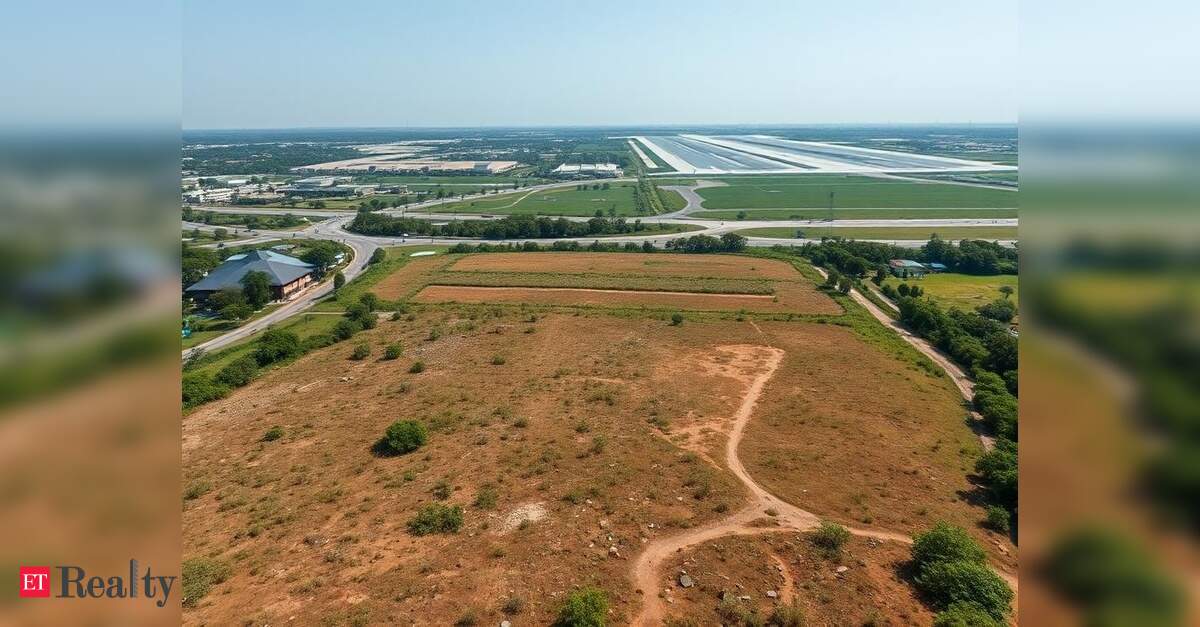

NAVI MUMBAI: The Maharashtra Industrial Development Corporation (MIDC) has released a Request for Proposal (RFP) for developers to undertake one of the most significant slum rehabilitation projects in the Mumbai Metropolitan Region. This initiative targets informal settlements spanning 338 acres within the Thane-Belapur industrial area of Navi Mumbai.
The project aims to address approximately 35,800 slum structures along the Trans Thane Creek (TTC) corridor between Digha and Shirwane, where recurring encroachments have turned large portions of MIDC’s industrial land into dense habitats. This endeavor is considered one of the most ambitious redevelopment projects since Dharavi.
Under the tender requirements, only developers capable of rehabilitating over 1,900 families will qualify. This condition has raised concerns about limited competition, potentially favoring large real estate firms. MIDC intends to divide the project into three packages across various sectors of the corridor, enabling multiple agencies to work concurrently and expedite progress.
Selected developers will be responsible for the entire project lifecycle, including planning, financing, construction, and the rehabilitation of eligible residents. MIDC has emphasized the need for single-point accountability due to the project’s magnitude and the area’s high land value, estimated to reach several thousand crores. The redevelopment aims to create a mixed-use zone encompassing both residential and commercial elements.
This approach signifies a departure from previous plans that involved transferring land to the Navi Mumbai Municipal Corporation for cluster redevelopment. A proposal to establish a special purpose vehicle (SPV) between MIDC and the civic body did not come to fruition after the corporation insisted on full land ownership, despite earlier approvals for the transfer of around 225 acres.
MIDC CEO P Velarasu stated that the agency will adopt a group redevelopment model while remaining adaptable based on feedback from stakeholders. “Consultations with residents, public representatives, and other parties will take place prior to final decisions,” he added.
MIDC officials remarked that these settlements have existed for decades, and previous attempts to clear encroachments have been unsuccessful. An evaluation conducted over a decade ago identified eligible beneficiaries within over a dozen slum pockets in the corridor. By advancing with the redevelopment, the agency aims to formalize housing, enhance infrastructure, and unlock the economic potential of this significant industrial zone.