PUNE: The civic authorities have mandated the installation of sensors in nearly 750 housing societies to facilitate effective monitoring of sewage treatment plants (STPs) within these residential areas. According to Pune Municipal Corporation (PMC) officials, all residential complexes with over 100 flats must manage their wastewater on-site. “The sensors will enable us to assess the efficiency of the STPs. Housing societies must handle their generated sewage. If they fail, corrective measures will be enforced,” stated Prithviraj BP, additional commissioner of PMC.
The initiative is aimed at preventing the discharge of untreated wastewater and combatting water pollution. With urbanization leading to increased sewage production, PMC has previously mandated that societies treat sewage locally to alleviate strain on municipal STPs.
“Maintaining these facilities can be time-intensive. Some societies often shut them down to cut costs, negatively impacting the city’s sewage treatment effectiveness. Real-time monitoring through these sensors is therefore critical,” explained a senior PMC official.
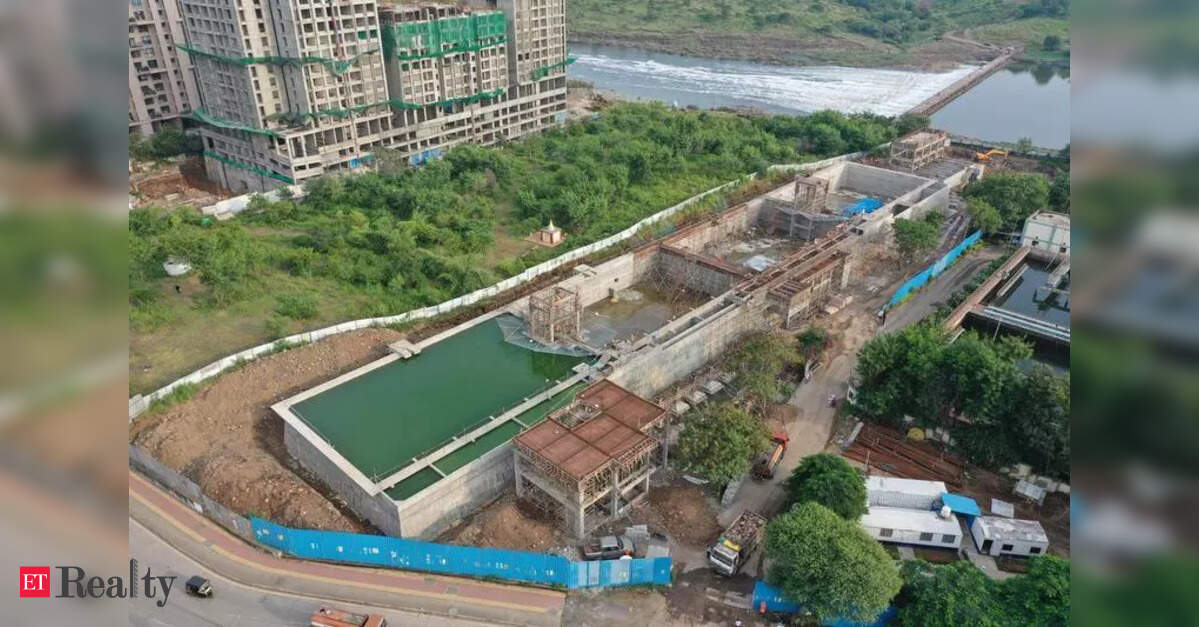
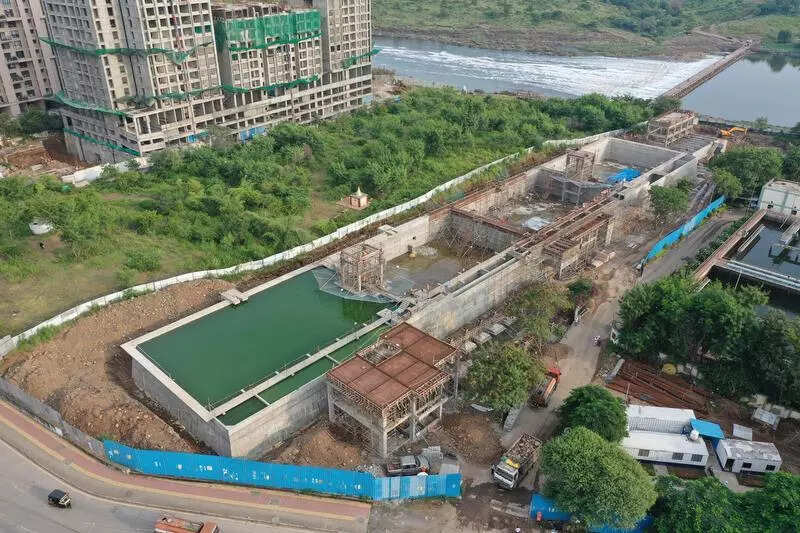
The PMC is already utilizing similar sensors in STPs developed under the Mula-Mutha River Pollution Abatement Project. This technology will now be extended to housing societies, with data monitored centrally from the PMC headquarters. Additionally, the PMC has required the installation of air quality monitoring sensors at construction sites within the municipality. Plans are also underway to enhance six STPs along the Mula and Mutha rivers.
This upgrade will be financed by the Atal Mission for Rejuvenation and Urban Transformation (AMRUT) scheme, expected to boost the city’s sewage treatment capabilities. “In addition to improving the six existing facilities, PMC is also constructing 11 new STPs as part of the Mula-Mutha Pollution Abatement Project,” another official added.
Currently, PMC processes approximately 630 million liters per day (MLD) of the 980 MLD of sewage produced daily. After the planned upgrades, treatment capacity is projected to reach 1,000 MLD.