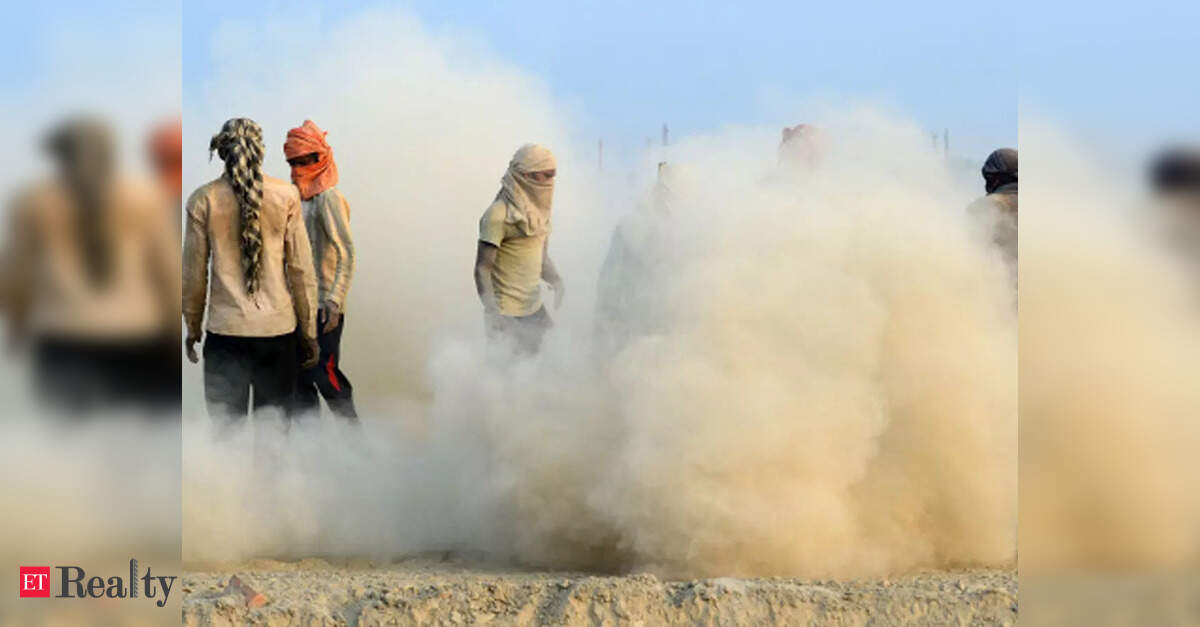
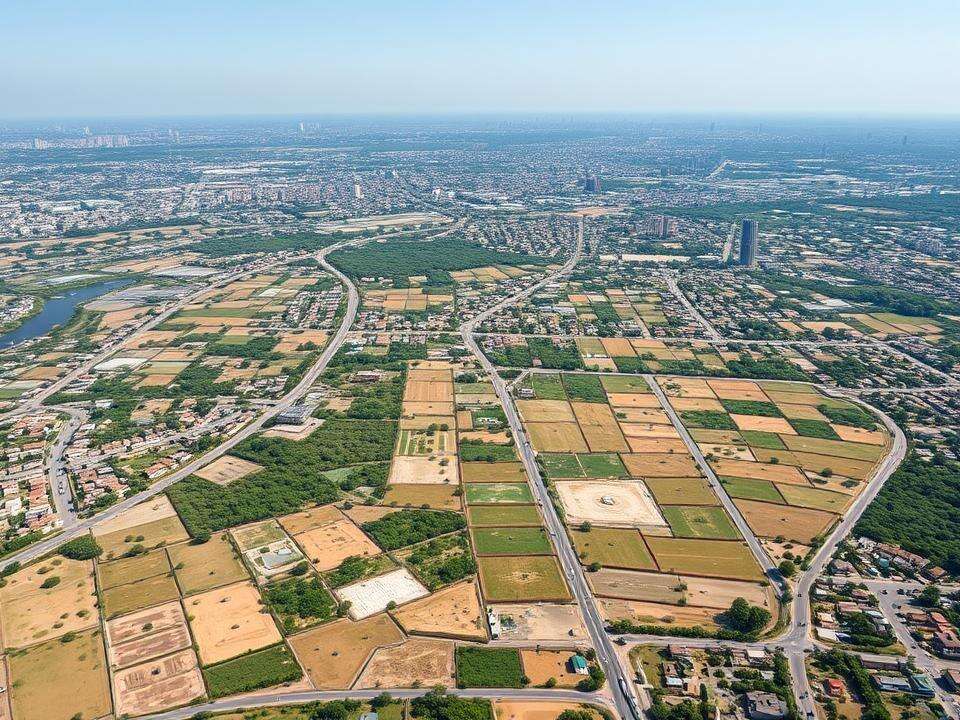
 Representative Image
KOLKATA: On Thursday, the West Bengal cabinet approved a significant policy that allows the conversion of non-residential plots for real estate and housing. This initiative is viewed as a major effort to utilize underused land throughout the state, according to a well-placed source.
The meeting, chaired by Chief Minister Mamata Banerjee at the state Assembly, sanctioned the new policy, which applies to non-residential plots owned by agencies under the Urban Development and Municipal Affairs Department.
“Many of these plots were allocated decades ago, often for 99 years or longer, to industrial units for employee housing. However, a substantial portion of the land is no longer actively in use. Today’s approval establishes a formal framework for their conversion, which will be contingent on a fee determined by the government. The state will develop comprehensive guidelines regarding the fee structure and implementation in the upcoming weeks,” the official explained.
The cabinet also approved various proposals aimed at enhancing administration, healthcare, education, and heritage development.
To strengthen administrative infrastructure, the government has sanctioned the creation of 18 new positions across multiple departments.
“These include roles in the finance, fisheries, and women and child development departments, along with two temporary senior-level officer positions in the governor’s office at the Raj Bhavan,” he stated.
The cabinet also greenlit extensive recruitment of nursing staff across 11 state-run medical colleges.
Additionally, the proposal to introduce primary instruction in Rajbanshi and Kamtapuri languages in select districts, including Uttar and Dakshin Dinajpur and Jalpaiguri, has been approved.
“Initially, a total of 12 para-teachers will be appointed, with 10 assigned to Kamtapuri medium schools and two to Rajbanshi,” the official informed PTI.
Furthermore, approval was granted for the establishment of a dedicated development board for the birthplaces of Ramakrishna and Sarada Devi.
Secretariat sources indicated that the board will oversee special projects geared towards infrastructure development and heritage preservation in these historically significant areas.