The Revised Master Plan-2041 seeks to enhance the sustainability and livability of the city, harnessing advanced technologies and consulting expert global organizations to foster balanced growth over the next two decades.
After withdrawing the controversial Master Plan-2011 draft, the Bangalore Development Authority (BDA) has now issued global tenders to develop the Revised Master Plan-2041 (RMP-2041). This ambitious undertaking aims to align rapid urban growth with sustainable planning to create a well-connected, environmentally friendly urban space.
The state government plans to engage top private firms through international bidding, moving away from dependency on state-run bodies. Spanning over 500 sq km within and beyond the BBMP limits, the plan will employ drone surveys, updated land-use maps, high-resolution imagery, and digital elevation models. Experts warn, though, that the legal challenges faced by earlier plans could resurface, despite the city striving for a comprehensive, future-focused urban development strategy.
What Went Wrong Previously
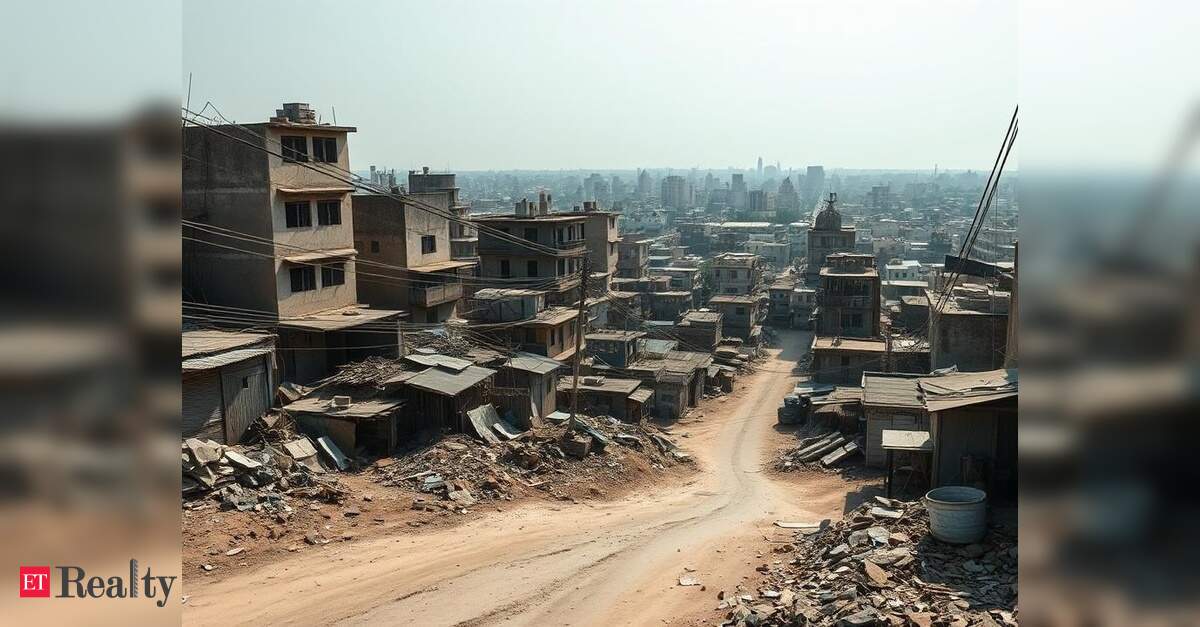
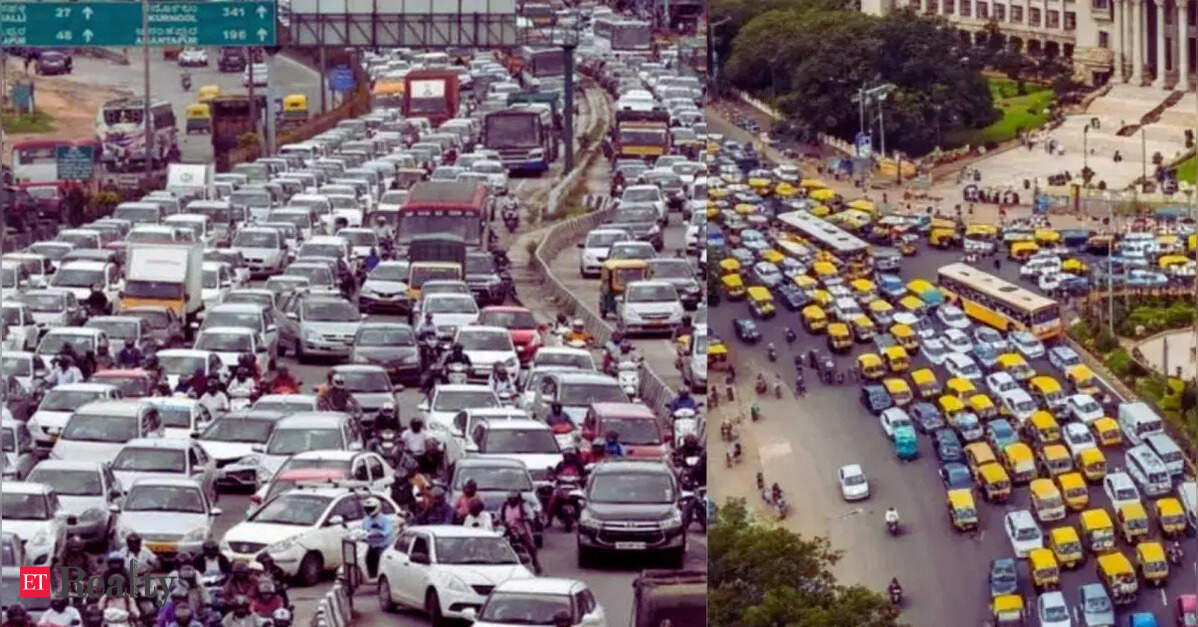
Residents of Bengaluru are well aware that past master plans have fallen short. Criticized as unscientific and disconnected from the realities of rapid urbanization, these plans led to inadequate infrastructure development, creating severe traffic congestion, reduced green spaces, and overwhelmed public services.
This time, officials assert that they’ve learned from past mistakes. “The revised master plan is designed to steer Bengaluru’s growth for the next two decades. It’s crucial for the city’s status as a global metropolis,” stated a BDA official. The goal is to create a sustainable urban environment that balances growth with livability.
Global Perspectives for Local Solutions
Rather than relying purely on governmental resources, Karnataka is looking internationally, inviting premier private firms through global bidding to introduce innovative ideas and solutions for challenges like traffic congestion and urban sprawl. The RMP-2041 will encompass over 500 sq km, utilizing satellite imagery, advanced digital models, and high-resolution maps to create a sustainable, forward-thinking city layout.
Utilizing Drone Technology
Deputy Chief Minister DK Shivakumar announced that foundational maps for the Revised Master Plan-2041 are being produced using Urban Property Ownership Records (UPOR) and drone imagery. The private firm The Drone Destination is mapping peripheral BBMP areas with drones equipped with 360-degree cameras, creating a 3D reality mesh model. This digital representation equips planners with critical data on land use, topography, and infrastructure. “Drone surveys provide a true depiction of urban growth. It forms the basis for an accurate master plan,” said Shivakumar.
Transit-Oriented Development: The New Focus
Expect to hear a lot about Transit-Oriented Development (TOD) in the coming months. Simply put, it involves constructing denser, more efficient neighborhoods around metro lines and transit hubs, which could encourage a shift from private vehicles to public transport, easing Bengaluru’s notorious traffic problems. Urban experts believe that TOD could significantly improve urban integration if transportation, housing, and commercial areas are effectively connected.
Technology-Driven Planning
The new plan is heavily reliant on technology, incorporating Geographic Information Systems (GIS), 3D mapping, and predictive simulation models to address potential issues like flooding and traffic flow. To ensure accuracy and quality in the survey work, BDA will set up a dedicated monitoring team.
Is Success Achievable?
Bengalureans remain skeptical; previous master plans have rarely been implemented effectively due to legal obstacles, political disagreements, and poor execution, leading to erratic urban development. Urban planners caution that RMP-2041 may face similar challenges. “The real test lies not in drafting the plan but in its uncompromising execution,” noted one expert.
Will Bengaluru 2041 Become Reality?
Ultimately, whether this ambitious plan will transform Bengaluru depends on its implementation post-release. The potential is vast: creating a sustainable, livable city that keeps pace with growth. “For a city proud to be India’s tech capital but grappling with daily traffic jams and potholes, the stakes are unbelievably high. RMP-2041 is more than a plan; it’s Bengaluru’s chance to redeem itself,” an activist remarked, expressing hope that this time around, the city will succeed.