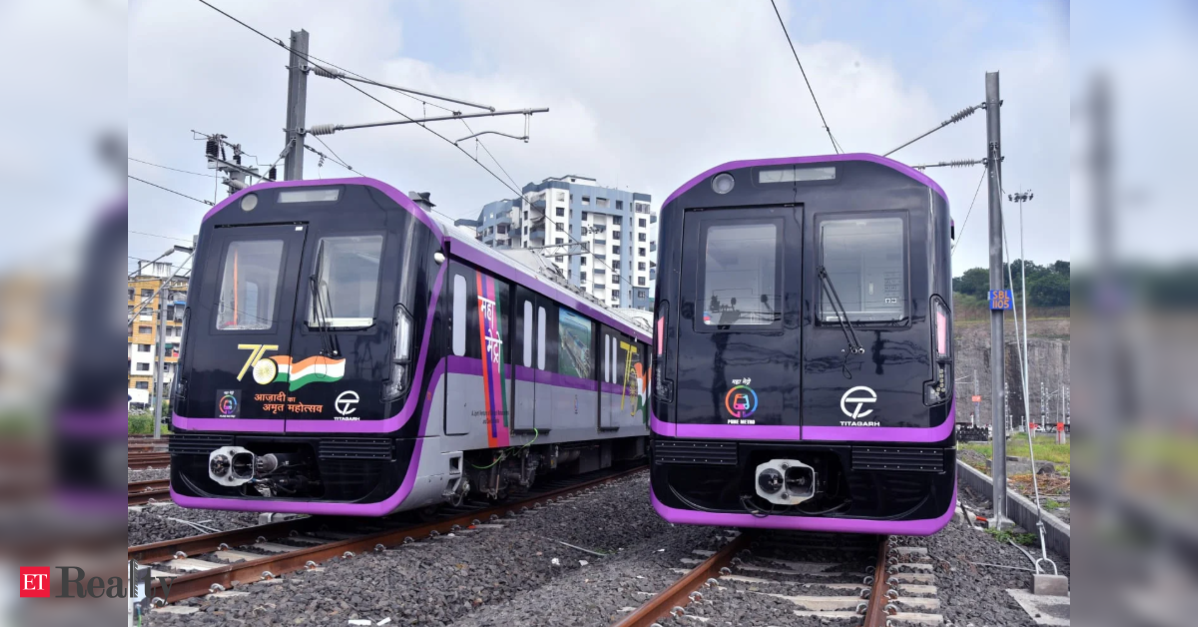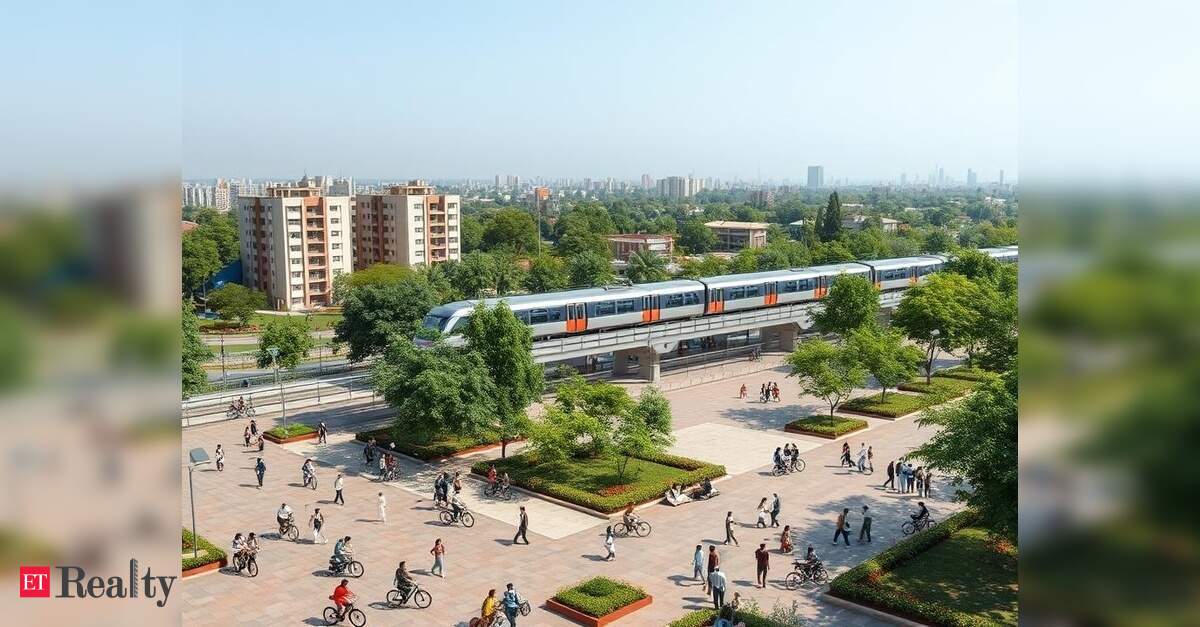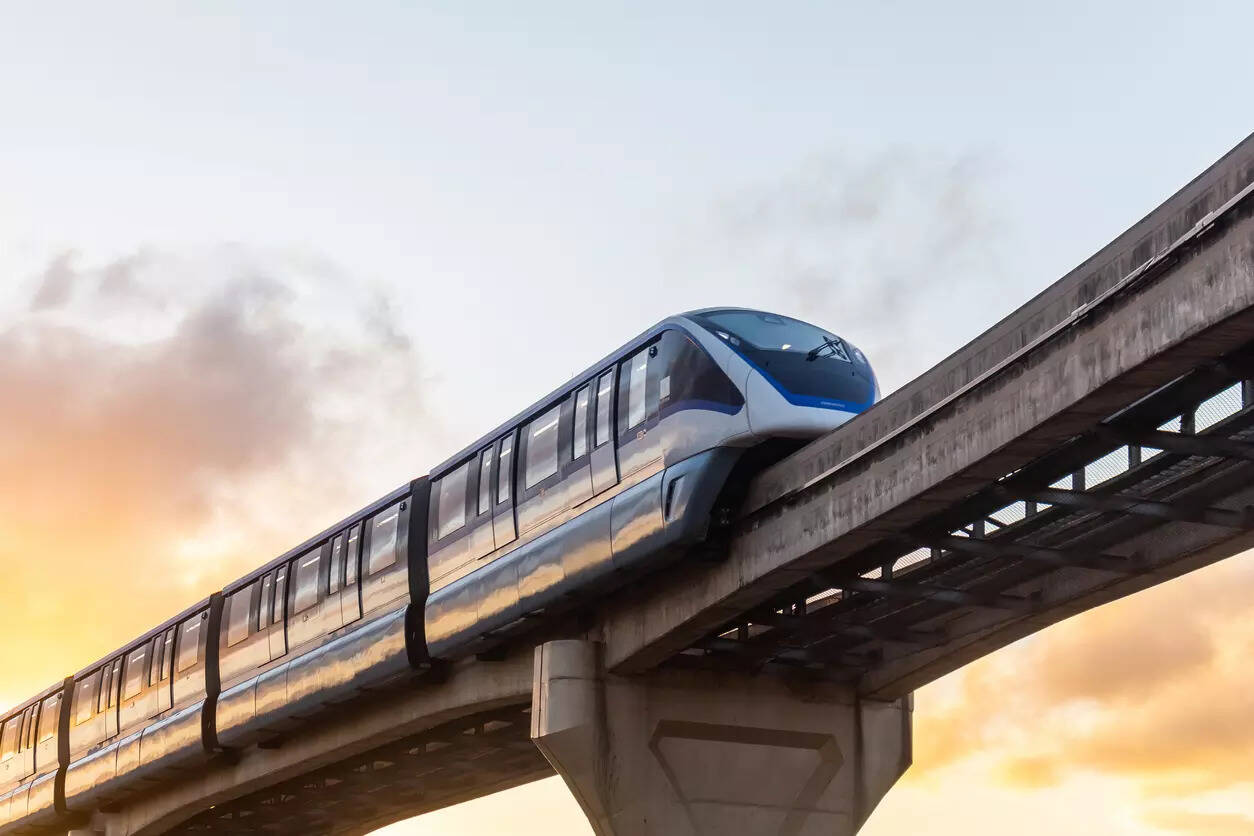
THIRUVANANTHAPURAM: The Thiruvananthapuram Metro Rail project faces another setback as a high-level meeting led by Chief Secretary A. Jayathilak did not reach an agreement on the route alignment. Stakeholders, including elected officials and senior administrators, emphasized the need for underground lines to protect the heritage sites and green spaces of the city.
Currently, the proposed Metro line is set to stretch from Kazhakkoottam to Pappanamcode, passing through Karyavattom, Sreekaryam, Ulloor, Medical College, Pattom, PMG, Palayam, Statue, Overbridge, Thampanoor, Killipalam, Karamana, and Pappanamcode, covering a distance of 21 kilometers. During the latest meeting, various alternative alignments were proposed, with strong support for underground sections in the central areas.
The absence of a clear, agreed-upon alignment may lead to additional delays for the project. Chief Minister Pinarayi Vijayan had previously instructed Jayathilak to assemble a committee to determine the route. This committee, which includes secretaries from the revenue, finance, transport, and local self-government departments, will assess multiple proposals before presenting a final alignment recommendation.
“We are evaluating costs, technical viability, and public opinion. An overhead Metro line through Palayam or Statue could harm heritage sites and disrupt green zones, but fully underground sections come with significantly higher costs. The government cannot make hasty decisions without careful consideration of these factors,” stated Jayathilak.
Kochi Metro Rail Limited (KMRL), the executing agency, presented six alignment options several months ago, combining both underground and elevated sections. Key routes under review include Kazhakootam to Pappanamcode, Kazhakootam to Killipalam, and Palayam to Civil Station.
KMRL Managing Director Loknath Behera remarked, “We provided six options earlier. The next steps are in the hands of the state government. Once the alignment is confirmed, we can update the detailed project report accordingly.”
Cost considerations are crucial. Estimates indicate underground sections could cost between ₹250–550 crore per kilometer, contingent on geological conditions and depth, while elevated lines are considerably less expensive. Environmental and heritage advocates support underground lines in sensitive areas, whereas some departments suggest that elevated sections are acceptable outside the city center.
This year, the finance department approved the project, and with the Chief Minister’s consent, it will go to the state cabinet for final approval. The 2025-26 state budget includes allocations to begin preliminary work this year, as per the approval of both the Comprehensive Mobility Plan (CMP) and the Alternate Analysis Report (AAR), which are essential for securing central funding.