
HYDERABAD: The Telangana government has announced plans for Bharat Future City, which will span 30,000 acres and is expected to house approximately 2.5 to 3 million residents.
The government is preparing a comprehensive master plan for the project. For the first time, these plans were officially disclosed in the socio-economic survey for 2026. The proposed plan includes a central business district (CBD) with four catalytic zones: an AI city covering 300 acres, a healthcare city across 200 acres, an education hub over 500 acres, and a life sciences center encompassing roughly 3,000 acres, all equipped with district cooling systems and advanced urban services.
“Additionally, there will be a dedicated entertainment district featuring large-scale sports, recreation, and tourism facilities, alongside the Rajiv Zoological Park, adjacent to a 15,000-acre reserve forest, thus promoting environmental sustainability,” the report noted.
In its budget presentation for 2025-26, the government highlighted ongoing infrastructure development, including radial roads, a greenfield national highway linking Future City to the Machilipatnam Port in Andhra Pradesh, underground power systems, and eco-friendly smart grids. The city is being designed as a model of sustainable development.
A skill university has been established in Future City to cultivate a workforce aligned with international standards.
“Once construction is completed, Future City will be on par with international cities and will emerge as a global tourist destination. It will also be the first net-zero greenfield smart city,” Deputy Chief Minister Bhatti Vikramarka mentioned in his budget speech. To foster development and attract both national and international stakeholders, the government will host a global summit in December 2025.
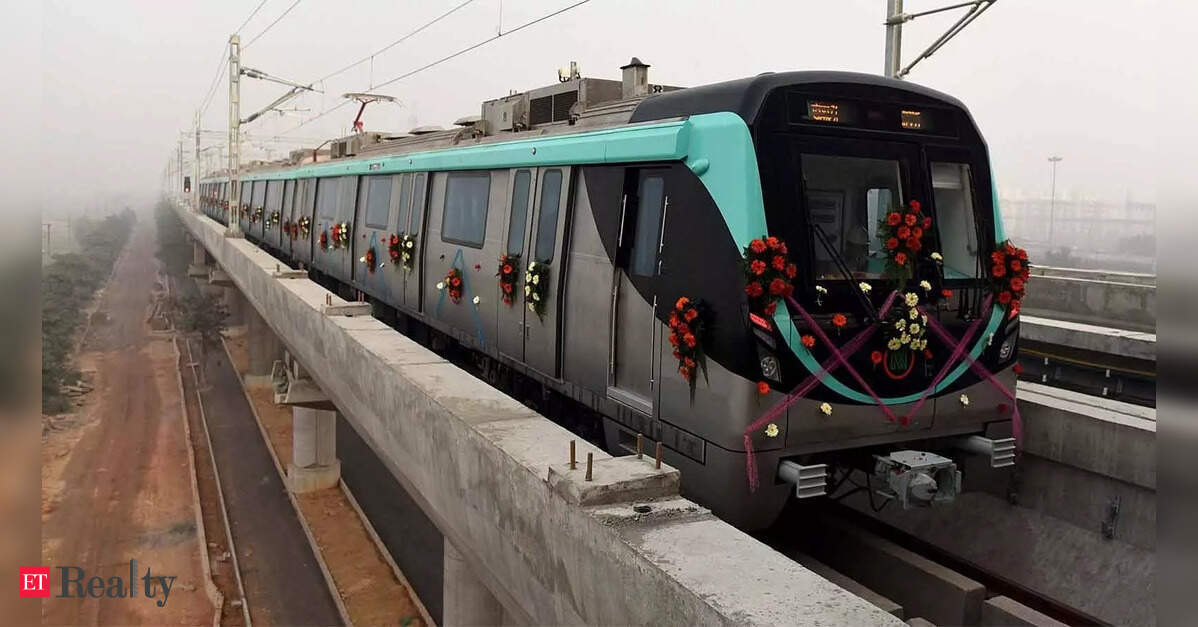
Given the anticipated population of 2.5 to 3 million, a mobility plan is underway. This plan will feature an integrated trunk road network, multimodal public transport, metro connectivity, and transit-oriented development (TOD) to encourage sustainable mobility and minimize travel needs, according to the government.
“The plan is guided by the principles of work, live, learn, play, and incorporates the 15-minute city concept,” added the socio-economic survey.