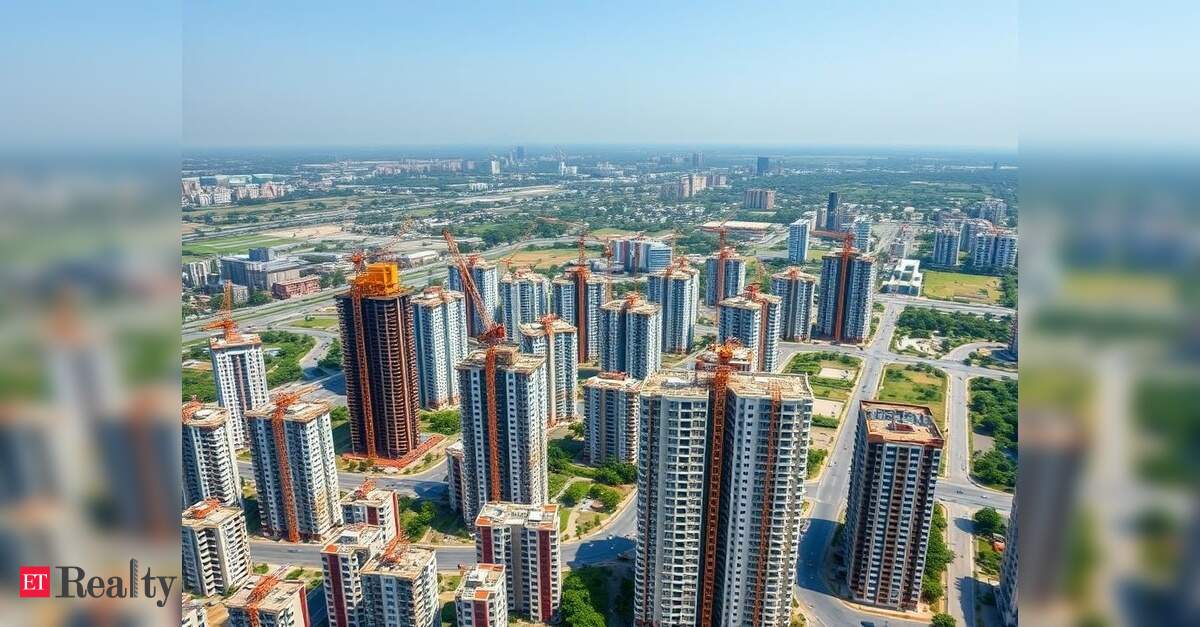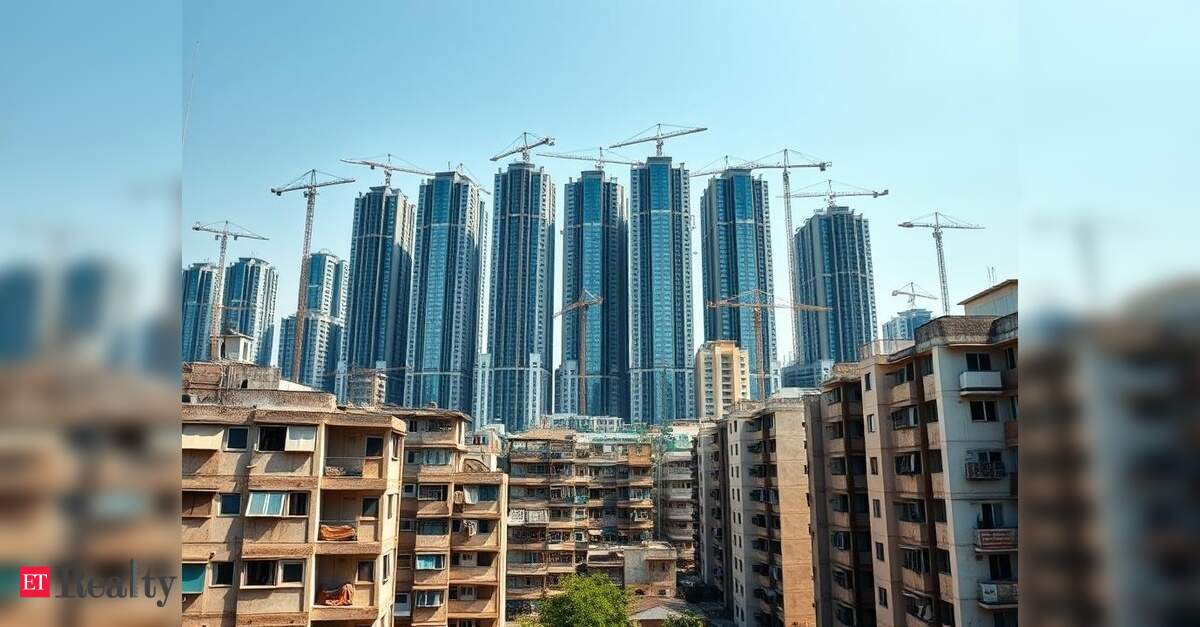
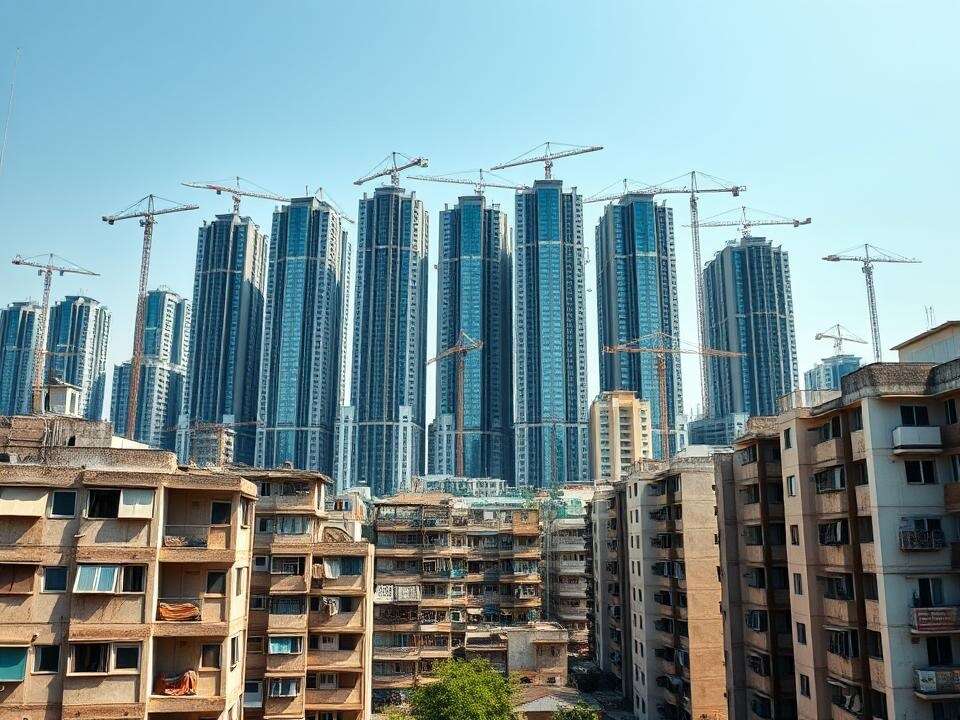
VISAKHAPATNAM: The surge in land prices and a limited supply of well-located plots have prompted a transformation in the city’s residential landscape. Developers are increasingly favoring high-rise constructions—ranging from 40 to 50 stories—over low-rise structures of 5 to 15 floors. As new investments flood into Vizag, land costs in prime areas have soared to a point where low-rise developments are typically no longer feasible. Vertical housing offers buyers lower per-square-foot prices (₹1,000–₹1,500 less) and superior amenities compared to standalone buildings.
High-rise development enhances land-use efficiency, ensuring projects remain economically viable. Developers cite the necessity of distributing high land acquisition costs over a greater number of units, alongside evolving buyer preferences. The availability of shared amenities and the efficiencies of construction further elevate the value.
The Indian Navy’s earlier 10-storey complexes at the Naval Coast Battery once set the standard for housing in Vizag. Now, the Navy is undertaking a 41-storey sailor’s block at Nau Sena Bagh, which is set to become the city’s tallest building. Presently, a 35-storey complex in Seethammadhara holds the record in Vizag and northern Andhra.
“Vertical housing provides a significant cost advantage for homebuyers,” said E Ashok Kumar, President of CREDAI Visakhapatnam. “Dividing high land costs across numerous apartments makes homes more affordable compared to low-density villa projects.” He noted that demand trends indicate a preference for security, organized parking, and integrated amenities.
Urban planners emphasize the stark contrasts in land utilization: one acre produces about 31 two-bedroom apartments with a Floor Space Index (FSI) of 1.0, rising to nearly 126 units at an FSI of 4.0. In contrast, horizontal layouts accommodate only 8–14 villas.
The demand for housing remains strong, bolstered by growth in the IT sector and associated industries along emerging corridors. Vertical developments are gaining momentum in micro-markets such as Madhurawada–Kapuluppada, Anandapuram–Kommadi, Bhogapuram–Bheemili, and Yendada–Rushikonda, supported by road expansions and infrastructure upgrades.
Areas of Anandapuram and Bheemili, located 20–30 km from Vizag, have experienced significant increases in land prices following announcements from Google and other IT companies about investments. One-acre plots that previously cost ₹2.5–3.5 crore are now valued at ₹5–6 crore.
Currently, standalone complexes sell for ₹6,000–6,500 per sq ft, while high-rise units range between ₹4,000–4,500 per sq ft, offering additional amenities such as pools, gyms, and clubhouses.
Planners stress that regulating vertical growth in line with civic capacity can conserve land, lower service costs, and enhance public transport. Developers advocate for sustainability measures, including mandatory sewage treatment plants and rooftop solar panels. They assert that clearer regulations and quicker approval processes will safeguard project timelines and shape a skyline that resonates with Vizag’s evolving urban character.