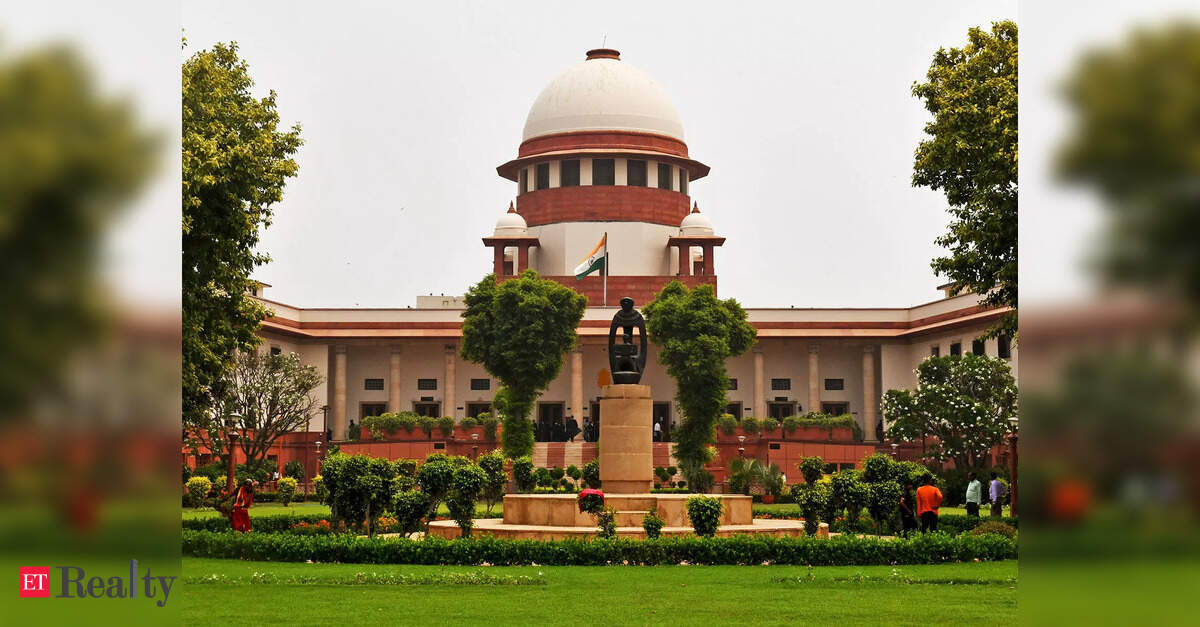
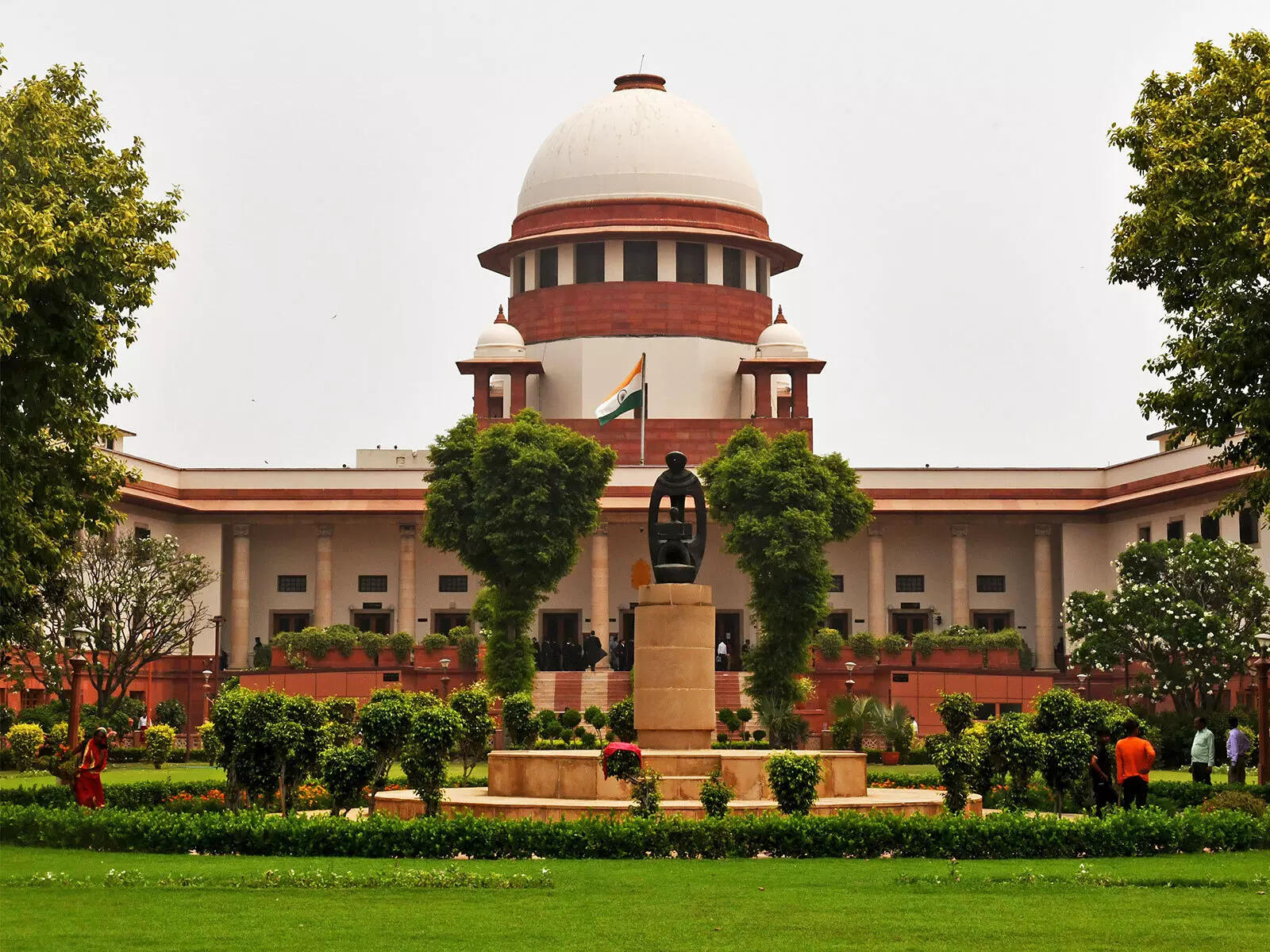
MUMBAI: In a blow to the state government, the Supreme Court annulled a 2018 Bombay High Court decision that allowed the Maharashtra revenue department to designate land across Mumbai, Thane, and elsewhere as “private forests,” which curtailed development potential.
The SC criticized the HC ruling for failing to adhere to a binding precedent mandating a meticulous process before classifying private land as part of the green pool. The plots varied in size from one acre to 100 acres. The HC bench, led by Justice S C Dharmadhikari, had dismissed 173 petitions and endorsed the state’s initiative to classify over 14,000 hectares (approximately 35,000 acres) of land across Maharashtra as private forests.
Justices Vikram Nath and Prasanna Varale stated, “The judiciary draws its strength from discipline, not dominion.” Samit Shukla, a partner at Trilegal, noted that the lands previously restricted from development are now reclassified as buildable.
During Friday’s proceedings, the SC pointed out that critical steps outlined in the Maharashtra Private Forests Acquisition Act were overlooked. The state presented undated and unverified possession documents that lacked credibility in light of long-standing private ownership. The SC remarked that the HC’s handling of the issue appeared to sidestep binding precedents instead of applying them.
In January 2019, after about 100 appeals were lodged against the HC ruling, the SC imposed a status quo. The SC invalidated the state’s land classification as private forests while allowing the state to follow proper procedures for future proceedings.
“It is significant to note that the bench was presided over by the same judge who previously issued a contradictory ruling, which this court later set aside. We do not ascribe motivation, but a judgment that neglects binding ratios and fails to account for statutory requirements raises concerns about a reluctance to adhere to precedent. Such a stance contradicts the detachment that judicial reasoning mandates,” the SC elucidated.
The SC further asserted, “Respect for higher jurisdiction is not compliance but recognition that all courts share a collective mission to deliver justice in accordance with the law.” Articles 141 and 144 of the Constitution impose a duty to obey judicial authority, underscoring that resisting binding judgments diminishes legal uniformity, unnecessarily burdens litigants, and fosters perceptions of biased outcomes based on judicial identity.
The landowners involved, supported by a range of lawyers including Vineet Naik, Ajit Sinha, A M Singhvi, and others, contended that the HC’s decision to not refer the case to a larger bench was an error. They argued that the SC’s earlier ruling in Godrej and Boyce should not be dismissed as it is relevant to their petitions. After hearing arguments from state counsel as well, the SC found no significant differences between the landowners’ cases and the principles established in its 2014 judgement, which clarified that mere notice issuance does not equate to a ‘private forest’ designation.
Justices Nath and Varale expressed that “it is the law, as declared, that concludes dialogue in a constitutional judiciary.” They emphasized that adherence to judicial precedent is crucial for maintaining public trust and the integrity of the courts. The SC made it clear that the judiciary’s role is not to settle personal issues but to exercise reason as an instrument of justice, affirming that respect for higher courts is integral to a shared pursuit of legal justice.