Here’s a revised version of the content you provided:
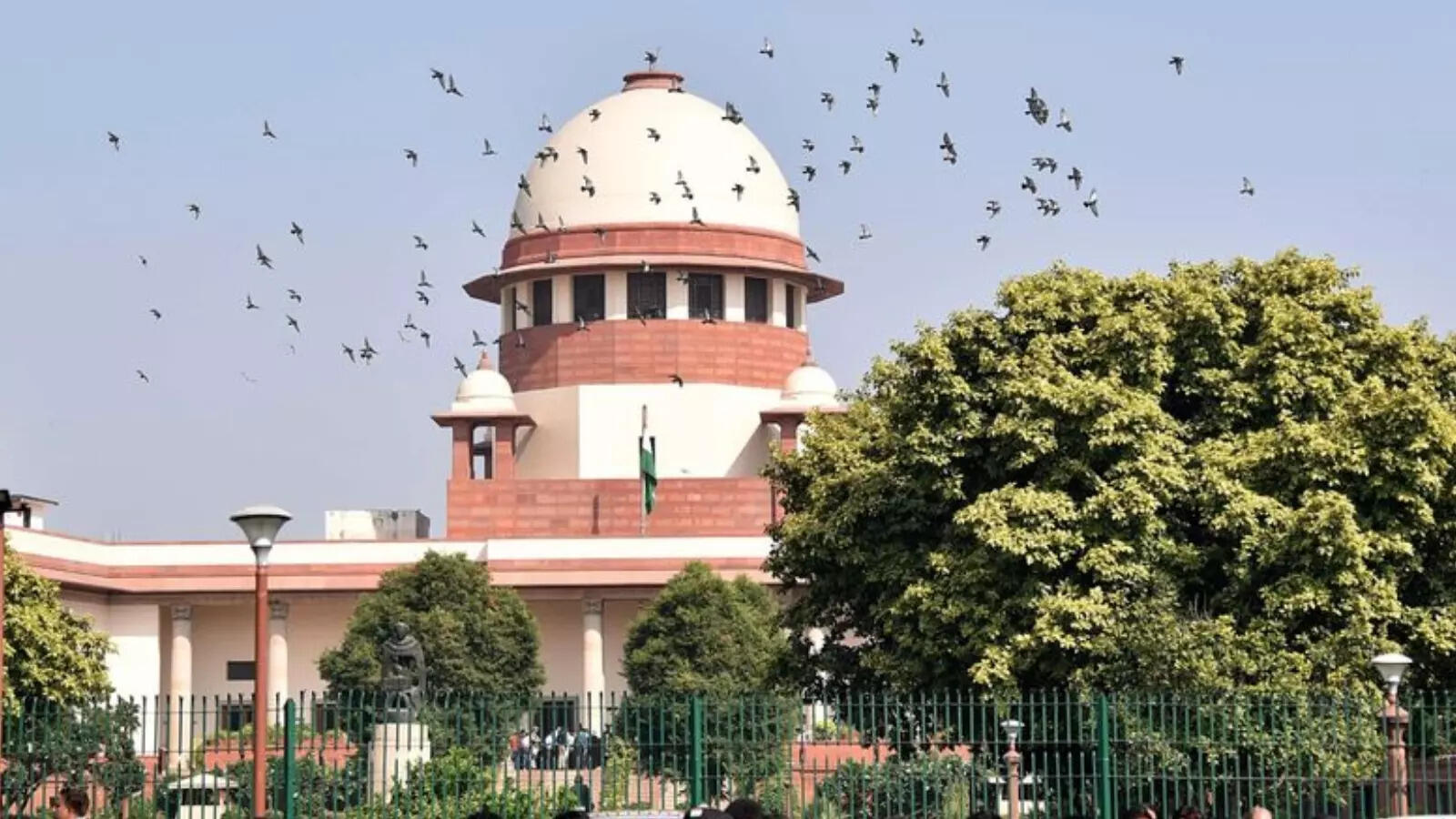
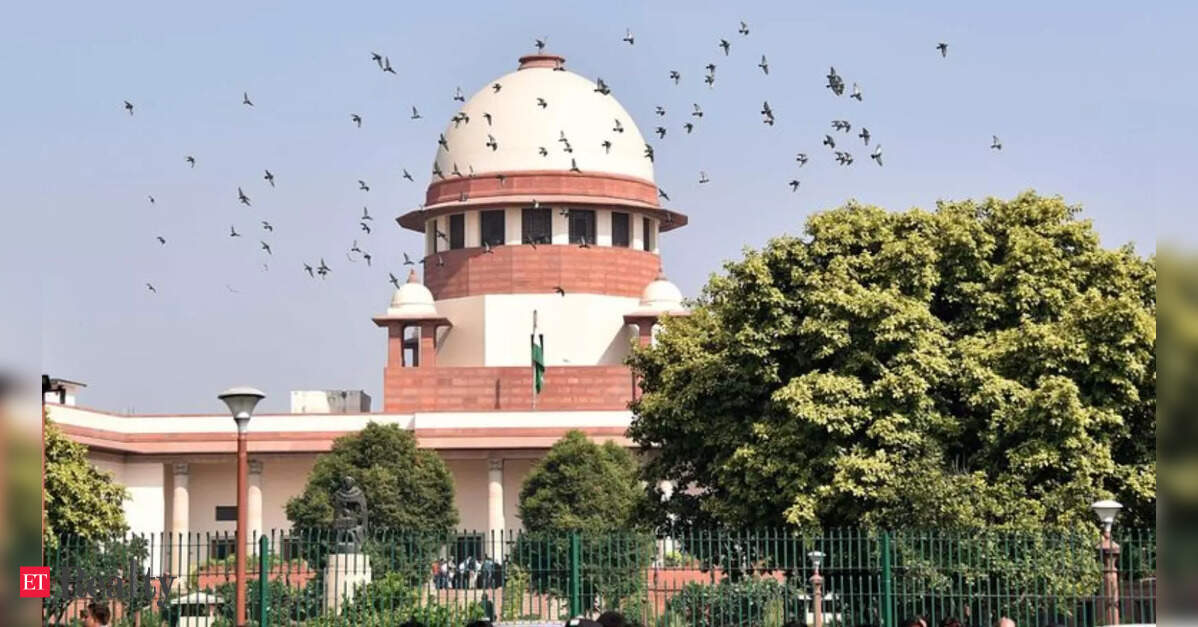
NEW DELHI: The Supreme Court has annulled the allocation of two flats by a Haryana government housing society to a member of its governing body and his subordinate, condemning nepotism and self-interest as fundamentally against democratic principles.
Justices Sanjay Kumar and K Vinod Chandran overturned a Punjab and Haryana High Court decision, which had declined to intervene in the allotment process.
The allotments in question were deemed arbitrary, biased, and a violation of the society’s own eligibility criteria.
The bench stated, “Nepotism and self-aggrandizement are incompatible with a democratic system, particularly within a society that contains government service members whose housing benefits must be allocated transparently.”
The case arose from a petition by Dinesh Kumar of the HUDA, Urban Estate, and Town and Country Planning Employees Welfare Organization (HEWO), who challenged the allocation of two luxury flats on grounds that the recipients were ineligible and that HEWO had acted preferentially.
The court found that Kumar met all eligibility criteria stated in the advertisement and was qualified based on his tenure and salary.
“There could be no preferential treatment for the governing body member, who did not fulfill the six-month deputation requirement with HUDA. The allocation in question reflects favoritism and blatant self-interest,” the bench remarked.
In light of the considerable misuse of authority, the Supreme Court nullified the High Court’s ruling, imposing costs of Rs 1 lakh on HUDA, while also fining Rs 50,000 on the third respondent (BB Gupta) and Rs 25,000 on the fourth respondent (Puran Chand).
“HUDA will pay Rs 50,000 to the appellant for litigation costs. The remaining amounts shall be deposited with the Legal Services Committee of the Supreme Court, and the third and fourth respondents shall also pay their imposed costs within two months.
“The costs ordered for HUDA can be recovered from the governing body members, excluding the third respondent, if proper notice is given,” the bench added.
The Supreme Court ensured that the amounts deposited by the third and fourth respondents would be refunded within one month without interest, and they must vacate the premises within that timeframe.

This revised version maintains the essential information while enhancing clarity and formatting.