
GURUGRAM: The Haryana Electricity Regulatory Commission (HERC) has ordered the resident welfare association (RWA) of Uniworld Gardens II in Gurgaon, along with developer Unitech Realty Pvt Ltd, to adhere to electricity billing regulations and to refund any excess charges collected from residents.
The commission has also imposed a penalty of Rs 50,000 on the RWA, with a directive to comply within 30 days. Non-compliance may result in an additional penalty of Rs 6,000 per day. Furthermore, the commission has prohibited Unitech from citing a Supreme Court moratorium as grounds for non-compliance with electricity billing standards.
The complaint was submitted by Gurgaon resident Naresh Kumar Jindal under sections 142 and 146 of the Electricity Act, 2003, alleging non-adherence to a previous Consumer Grievance Redressal Forum (CGRF) order from September 2, 2022. This concern pertains to electricity billing in Uniworld Gardens II, where the power is supplied via the “single point supply” system by Dakshin Haryana Bijli Vitran Nigam (DHBVN).
Jindal contended that Unitech and the RWA inflated electricity charges beyond what is permitted by HERC’s Single Point Supply Regulations, 2020, charging residents Rs 6.1 per unit compared to DHBVN’s rate of Rs 5.25 per unit.
Additionally, he objected to extra fees such as a daily standing charge of Rs 139 and charges linked to prepaid meters, which he argued were inconsistent with tariff regulations. Moreover, he alleged that the developer collected a connection fee of Rs 58,683 and retained approximately Rs 60 lakh that should have been refunded to the residents. In 2020, the CGRF had mandated the recalculation of electricity bills using the telescopic tariff applicable to individual consumers and ordered refunds for any excess amounts collected. In 2023, the resident sought enforcement of this order from the commission.
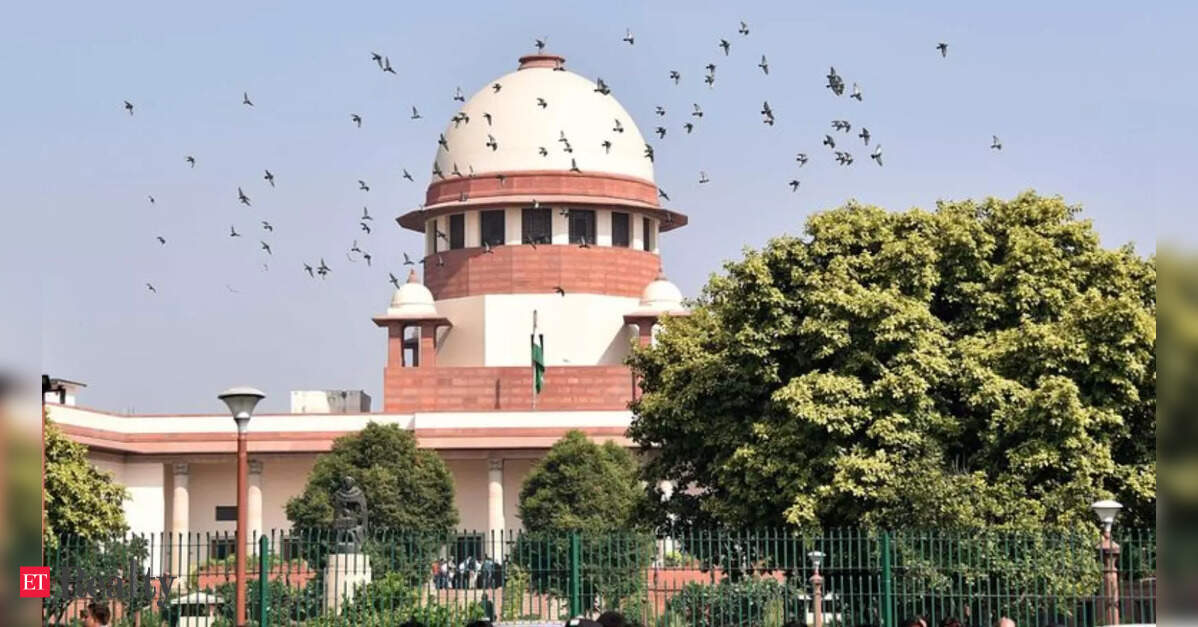
In response, Unitech claimed the proceedings should be halted due to a moratorium imposed by the Supreme Court in the case of Bhupinder Singh vs. Unitech Ltd, in which a new board was appointed to safeguard the interests of numerous homebuyers. The developer added that the moratorium prevents initiating proceedings against itself and its subsidiaries.
However, the petitioner maintained that the moratorium was being misapplied, asserting it cannot justify illegal billing practices and that adherence to tariff regulations remains obligatory.