MUMBAI: The Reserve Bank of India (RBI) announced on Wednesday that it will maintain the current interest rates amid expectations of a global recovery influenced by the recent ceasefire in the US/Israel-Iran conflict, which has lasted for six weeks.
This policy decision follows a prolonged conflict in West Asia that has interrupted energy supplies, increased crude oil prices, and created both fiscal and inflationary pressures for nations like India that rely heavily on imports.
This marks the first monetary policy review following the government’s new inflation target announcement for the RBI last month, instructing it to keep retail inflation at 4 percent with an allowable variation of 2 percent on either side until March 2031.
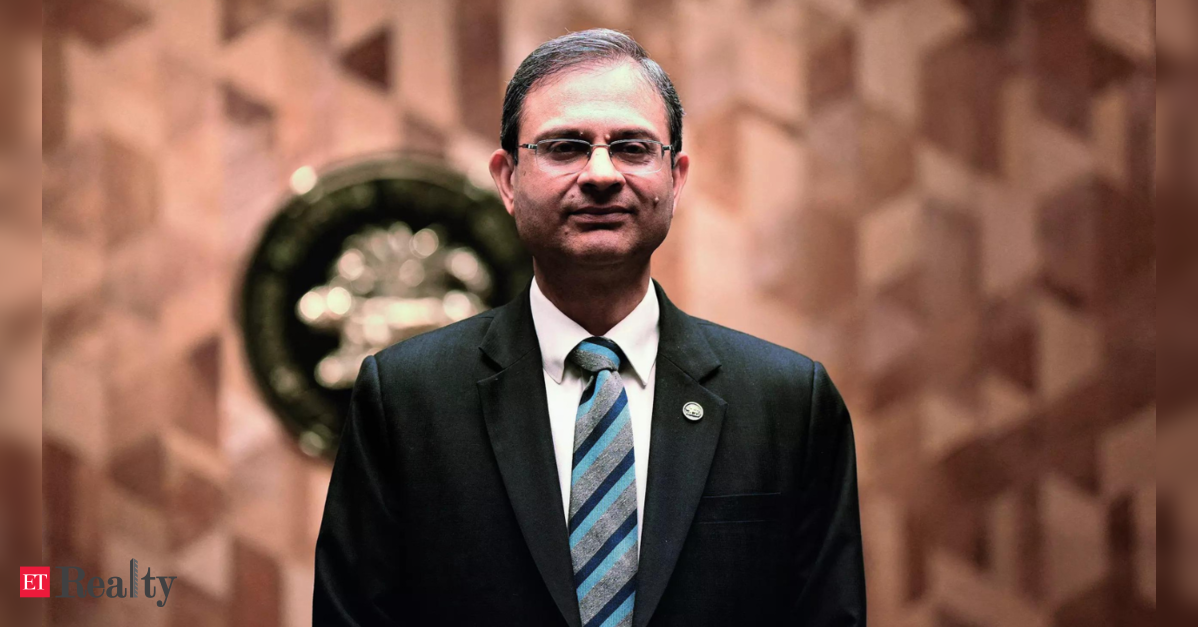
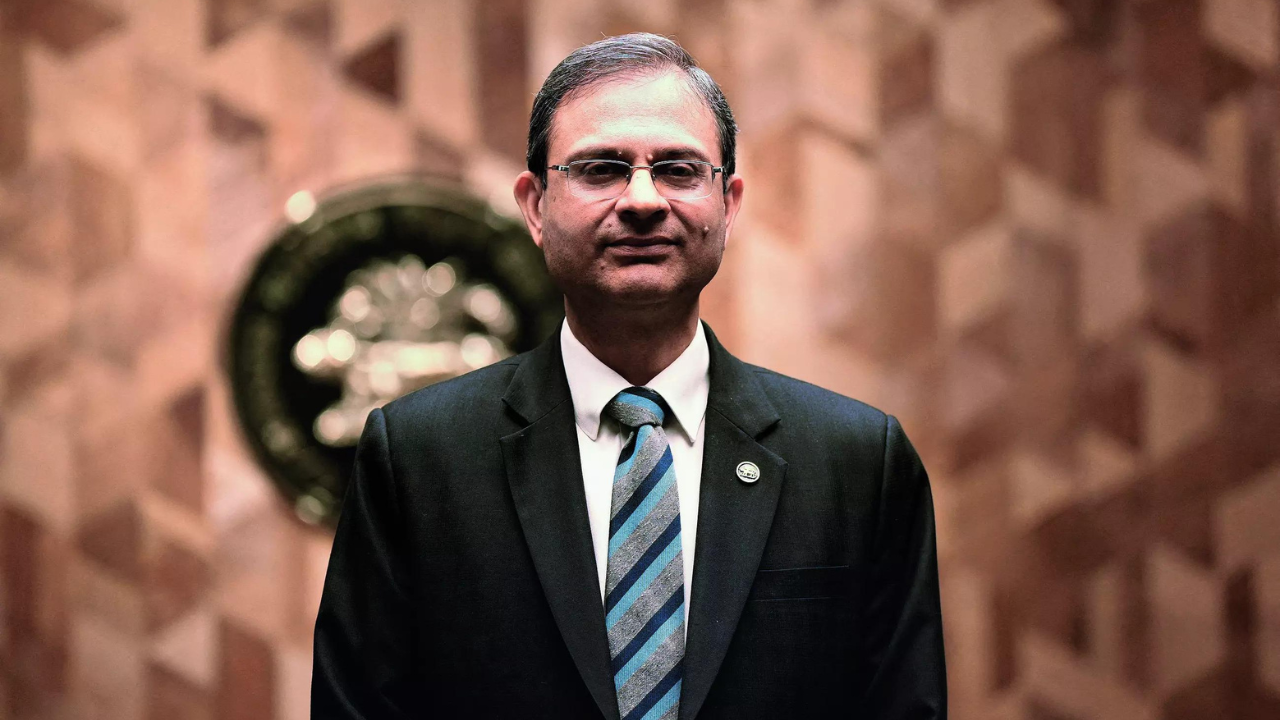
In his announcement of the first bi-monthly monetary policy for the fiscal year, RBI Governor Sanjay Malhotra stated that the Monetary Policy Committee (MPC) unanimously resolved to keep the short-term lending rate, or repo rate, steady at 5.25 percent, adopting a neutral stance.
Notably, the pause in rate cuts comes as the consumer price index (CPI) for headline retail inflation nears the RBI’s medium-term target of 4 percent, registering at 3.21 percent in February.
The value of the rupee has dropped over 4 percent since the onset of the conflict, contributing to heightened import inflation. However, following the ceasefire announcement between the US and Iran, the rupee appreciated by 50 paise to 92.56 against the US dollar.
Based on MPC’s recommendations, the RBI previously lowered the repo rate by 25 basis points in February, April, and December of 2025, and by 50 basis points in June, as inflation eased.
India’s retail inflation fell to a record low of 0.25 percent in October 2025, the lowest since the inception of the Consumer Price Index (CPI) series.
However, the rupee hit a record low, surpassing 95 against the dollar last month, leading to concerns over rising import costs and inflation. It reached this historic low of 95.21 on March 30, 2026.