PUNE: Following opposition from a group of residents in Lokmanyanagar against a cluster development proposal along Shastri Road, another faction, represented by the Lokmanyanagar Rahivasi Sangh, has voiced its support, claiming it will contribute to the overall development of the area.
During a press interaction on Thursday, these residents expressed their perspectives on the redevelopment of aging buildings. This issue gained attention after the state government halted redevelopment plans upon receiving a letter from local MLA Hemant Rasane advocating for cluster development.
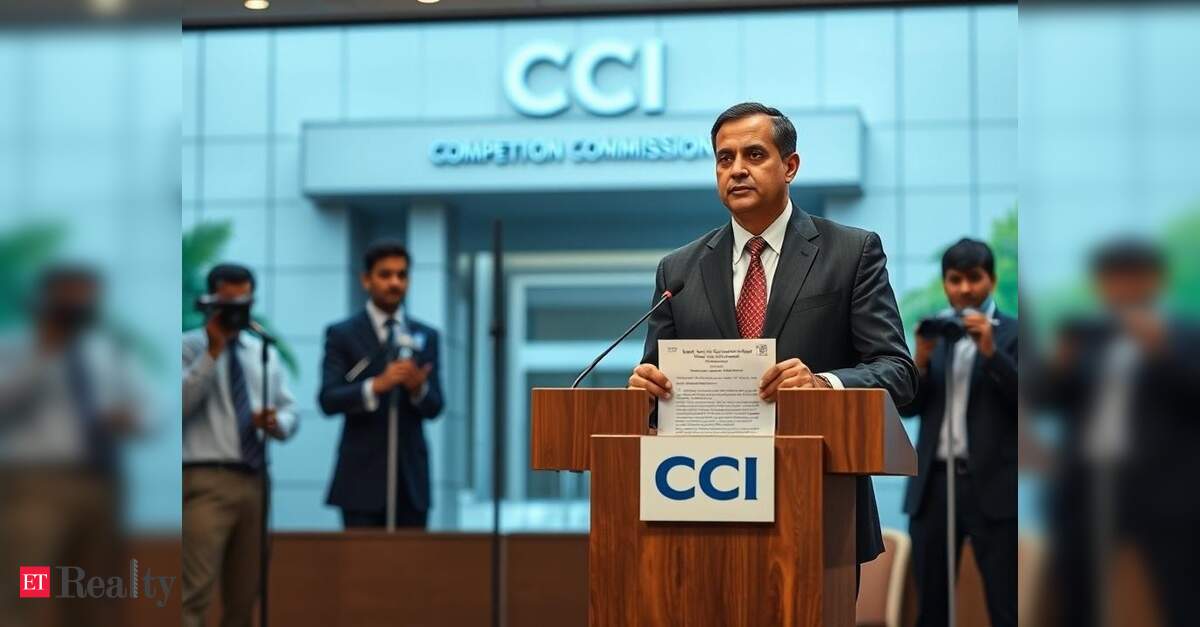
“Various media outlets have spotlighted this issue, leading to perceptions of irregularities tied to redevelopment and political maneuvers. Thus, we felt the need to clarify our stance in favor of cluster development,” stated Prashant Moholkar, a local resident.
MLA Rasane indicated that cluster development could enhance the provision of amenities.
The supportive residents noted that approximately 20 housing societies back cluster development, while those against it represent a smaller group. They expressed concerns that opposing holistic development could result in disorganized service lines and construction.
Lokmanyanagar consists of 52 housing societies housing over 800 flats. The residents contend many buildings date back to the 1960s and face significant issues stemming from aging infrastructure, such as cracked walls, inconsistent water supply, and poor drainage systems.
The Maharashtra Housing and Area Development Authority (MHADA) has recently unveiled a redevelopment policy aimed at revitalizing Lokmanyanagar, a key neighborhood in Pune. This 16-acre initiative, situated in the city center, is envisioned as a model for statewide redevelopment.
“This cluster development policy will help realize long-held aspirations of Lokmanyanagar residents. The project promises wide internal roads, sufficient parking, reliable water supply, a modern drainage system, and contemporary amenities — all designed with future community needs in mind. Once completed, residents will have no concerns related to infrastructure for the next century,” remarked Sunil Shah, a proponent of cluster development.
Earlier this month, those opposing cluster development staged protests, arguing it would obstruct ongoing redevelopment efforts for certain buildings. “Many structures are nearing the end of their redevelopment journey. If a cluster approach is adopted, it will negate our investments and efforts and delay progress,” asserted Ganesh Satpute, an opponent of the scheme.
Last week, members of this group met with MLA Rasane: “A meeting with residents took place recently, and we plan to hold more discussions to find a middle ground. A larger project will facilitate the effective design and execution of civic facilities,” he stated.