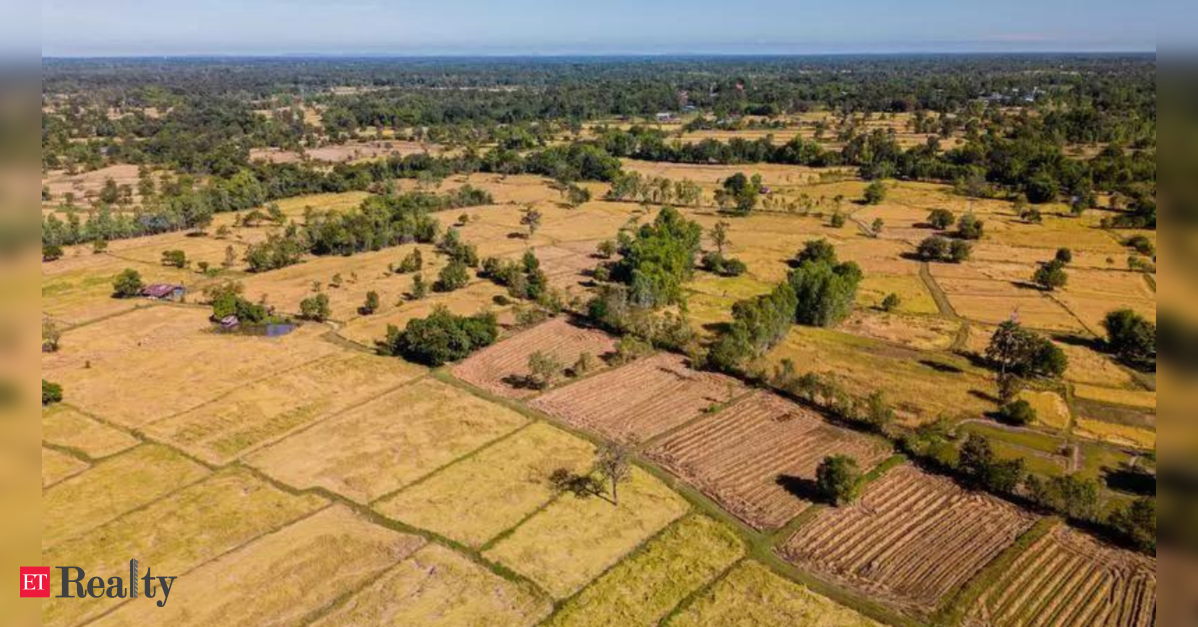

PUNE: The Pune Municipal Corporation (PMC) has proposed an allocation of approximately Rs 954 crore for the newly merged areas in its draft budget for 2026-27. This will be the first municipal budget since the recent elections of corporators from these regions, responding to urgent calls from residents and representatives to enhance infrastructure development.
The budget, crafted by PMC Commissioner Naval Kishore Ram, is heavily reliant on expected revenue from building permissions and property taxes in these suburban areas.
“We anticipate a significant revenue boost from building permits as development accelerates in these regions. Additionally, the PMC is expecting funding and outstanding dues from the state government to aid these improvements,” Ram stated.
In his address, the PMC Commissioner revealed that 11 villages were incorporated into PMC limits in 2017 (with two later removed), followed by another 23 villages in 2021. A state notification on February 11, 2026, revoked the special planning authority of the Pune Metropolitan Region Development Authority (PMRDA) for these 23 villages, leaving the PMC as the only planning authority in these jurisdictions.
“Integrated development is essential to tackle the deficit in fundamental infrastructure. This budget aims for inclusive growth, balancing rapid urbanization with our available resources and financial limitations,” said Ram.
He noted that the landscape of Pune has significantly changed, driven by the expansion of IT global capability centers (GCCs). He stressed the necessity to develop the merged areas to promote uniform growth within the entire municipal limits.
The budget earmarks funds for drainage, water supply, roads, and various projects in the newly merged areas. For instance, Rs 103 crore has been allocated for road construction and related infrastructure.
The PMC plans to establish footpaths of international standards in 32 areas. Additionally, Rs 151 crore is designated for sewage management, which includes constructing sewage line networks costing Rs 75 crore in 11 areas and Rs 76 crore in 16 areas, along with Rs 350 crore reserved for non-project-related works and operational expenses.
Nandkishor Jagtap, head of the PMC water supply department, confirmed the introduction of a 24×7 water supply initiative and upgrades to existing pipelines, with Rs 350 crore set aside specifically for water supply infrastructure in the newly merged areas.
Aniruddha Pawaskar, city engineer of PMC, mentioned that the administration is proactively planning real estate development in these areas. “With an increase in construction and redevelopment in the fringes, the demand for building permits will rise, thereby enhancing PMC’s revenue from development fees and building permissions,” he explained.
“The newly merged areas have been lacking essential infrastructure. Prioritization should be given to these areas,” remarked Sopan (Kaka) Chavan, a corporator representing the Sinhagad Road–Khadakwasla area.