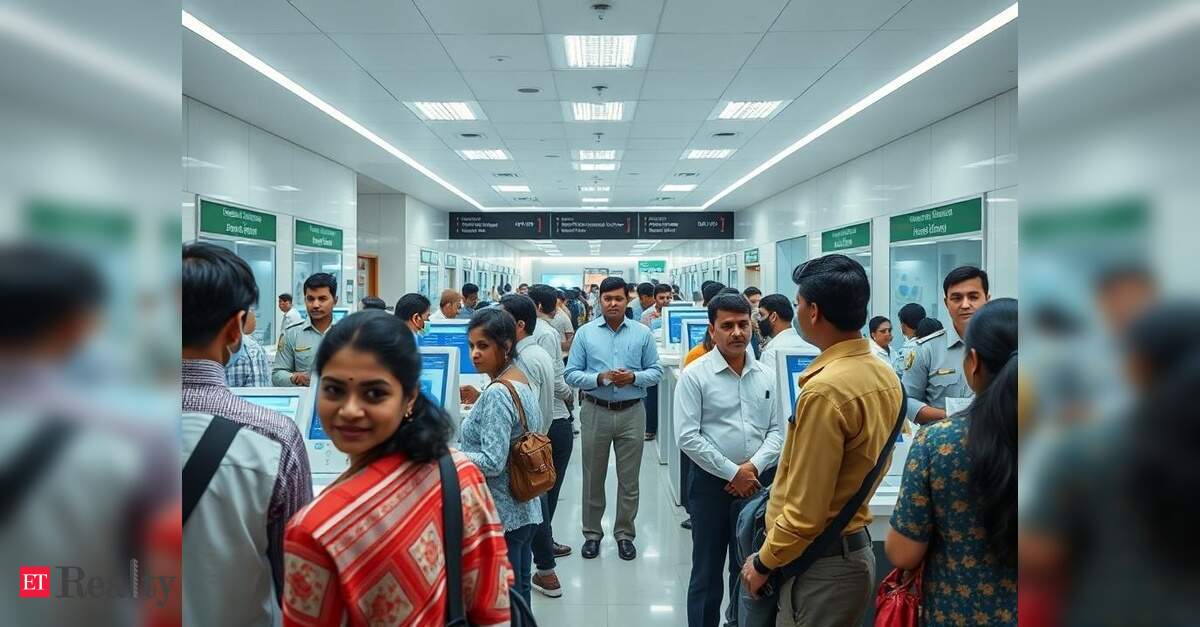
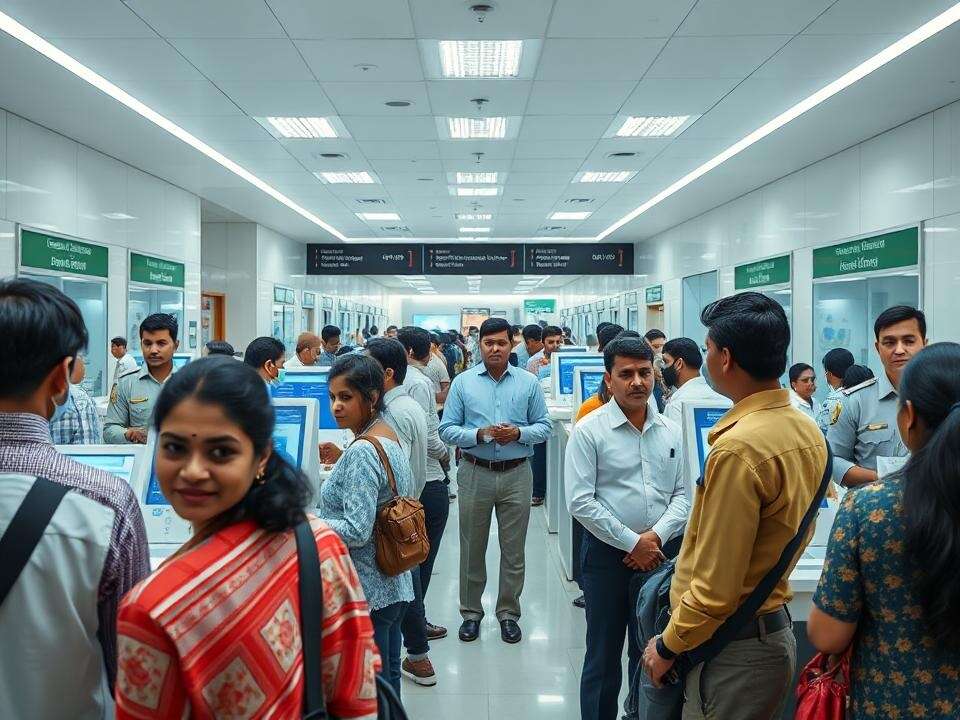
PUNE: The state government plans to establish 60 property registration offices across Maharashtra, managed by private institutions, to simplify the process, enhance efficiency, and reduce waiting times—albeit at an additional cost, officials informed TOI on Friday.
The proposed centers are designed similar to passport service centers and will operate alongside the current 517 government-run sub-registrar offices. Officials stated that the revenue department approved the proposal last year, and its implementation will occur in phases.
In the first phase, five centers will be launched in Mumbai, Pune, Thane, and Nagpur. “We anticipate opening them within six months. Tenders are currently being finalized to appoint the private firms that will operate these centers,” said Abhay Mohite, deputy inspector general (IT) of the registration department.
While the private agencies will provide the infrastructure and support staff, government officials will continue to conduct the actual registration process. “All services will be provided by the private institution, but the registration activities will remain under the jurisdiction of state government employees,” Mohite explained.
The centers are expected to impose an additional service fee of up to Rs 6,000 per document, above the existing government registration charges. Officials mentioned that the agency has been instructed to cap facility charges at Rs 6,000, with the final fee structure to be announced once the implementing agency is selected.
The second phase, potentially within nine months after the initial rollout, will see an additional 25 centers established in suburban Mumbai, Pune, Thane, Nashik, Nagpur, and Chhatrapati Sambhajinagar. The remaining 30 offices will be introduced in other districts during the third phase. Officials indicated that these centers will largely be located in areas with high property registration volumes.
Revenue Minister Chandrashekhar Bawankule announced in September last year that the new centers would provide enhanced amenities and streamlined services akin to passport offices.
However, this proposal has faced pushback from citizen groups and activists, particularly in Pune, questioning the necessity of private centers when existing government offices lack fundamental infrastructure.
Activist S. Joshi noted that many sub-registrar offices lack basic facilities such as drinking water, adequate seating, and functional restrooms. “The government should prioritize fixing these basic amenities. While a limited number of private centers may help some individuals, imposing extra charges for essential services is unjust,” he commented.
Ketaki Mohite, who recently registered a property in Pune, mentioned that current offices are cramped and poorly maintained. “Improving existing facilities should take precedence before involving private operators,” she stated.
Industry representatives also expressed concerns. Sachin Shinghavi of the Association of Service Providers (Maharashtra) argued that while private centers could benefit those willing to pay extra for convenience, the department must not overlook the larger population reliant on government-run facilities.
Officials asserted that the initiative aims to alleviate crowding and enhance service delivery in high-demand urban areas while ensuring that government staff retain control over the fundamental registration process.