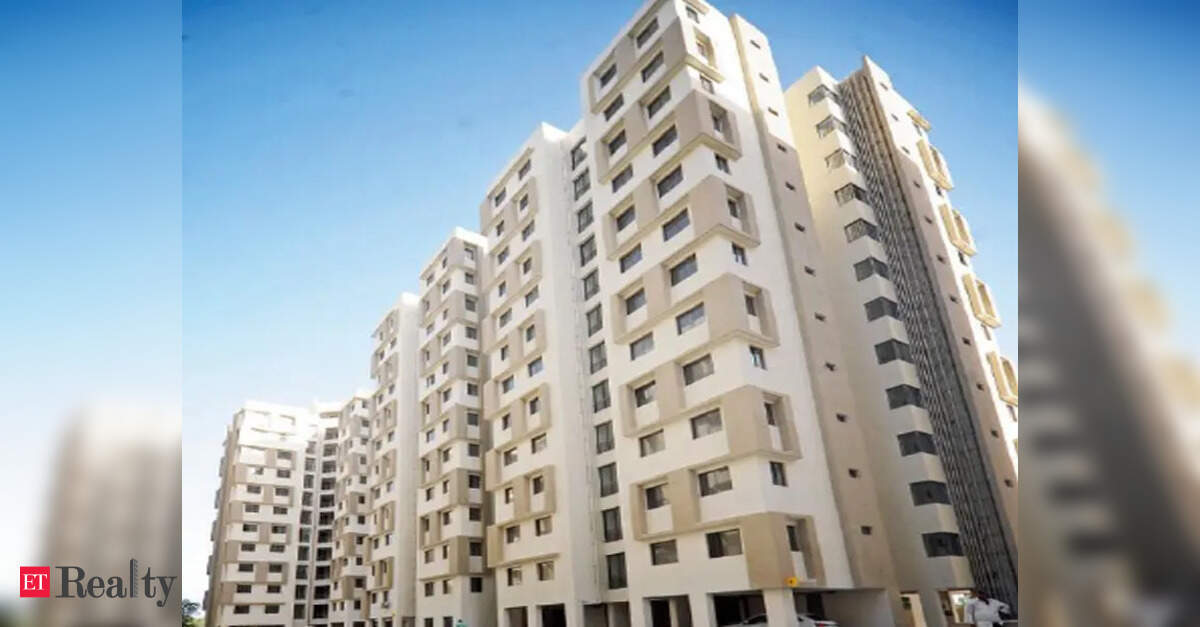

BHUBANESWAR: The revenue and disaster management department has recorded 7,037 flat registrations across Odisha over the past three years. This initiative has enhanced legal ownership for buyers and improved the government’s land records system, according to a recent assembly statement.
During the 2024 financial year, a peak of 4,712 flats were registered. However, this number fell sharply to only 593 in 2025, as noted by Revenue Minister Suresh Pujari in his written response to the assembly.
Data indicates that 1,732 flats were registered in 2023, followed by a significant increase in 2024, largely due to greater compliance and awareness among buyers. Conversely, registrations drastically declined in 2025 until October, raising concerns among stakeholders.
Officials emphasize the importance of flat registrations, which guarantee legal ownership to homeowners and ensure compliance with the Odisha Apartment (Ownership and Management) Act, 2023. This law necessitates apartment registration and the formation of associations among allottees.
Khurda district, encompassing Bhubaneswar, dominated the registrations, with 4,048 flats registered in 2024. Puri was another district with consistent registrations during this period, while many other districts reported no registrations at all.
The government attributed the decline in registrations for 2025 to various factors, including heightened document scrutiny by sub-registrars, disciplinary actions against errant officials, and tighter enforcement of apartment law provisions. Many builders reportedly struggled to meet essential statutory requirements, such as clear land titles, approved building plans, completion and occupancy certificates, and proper execution of deeds under the Apartment Act, causing registration delays.
Additionally, this decrease coincided with the government’s efforts to address irregularities. Over the past year, the department has suspended, transferred, and initiated disciplinary proceedings against several sub-registrars for alleged misconduct, corruption, and procedure violations.
To improve transparency and future registration volumes, authorities have implemented mandatory CCTV surveillance in offices, online appointment systems, and more stringent inspection protocols. While these changes may temporarily slow down registrations, they aim to enhance accountability.
The minister’s response highlighted ongoing efforts by the state government to reform land and registration services, including digitizing land records, integrating registration data with Bhulekh (a government platform for land records), ensuring timely service delivery, and strictly enforcing laws.
The minister further stated that efforts are being made to simplify procedures and address pending cases, with a focus on registering only fully compliant flats. This approach is expected to instill greater buyer confidence and mitigate future disputes.

This rewrite maintains the structure and core information while enhancing clarity and readability.