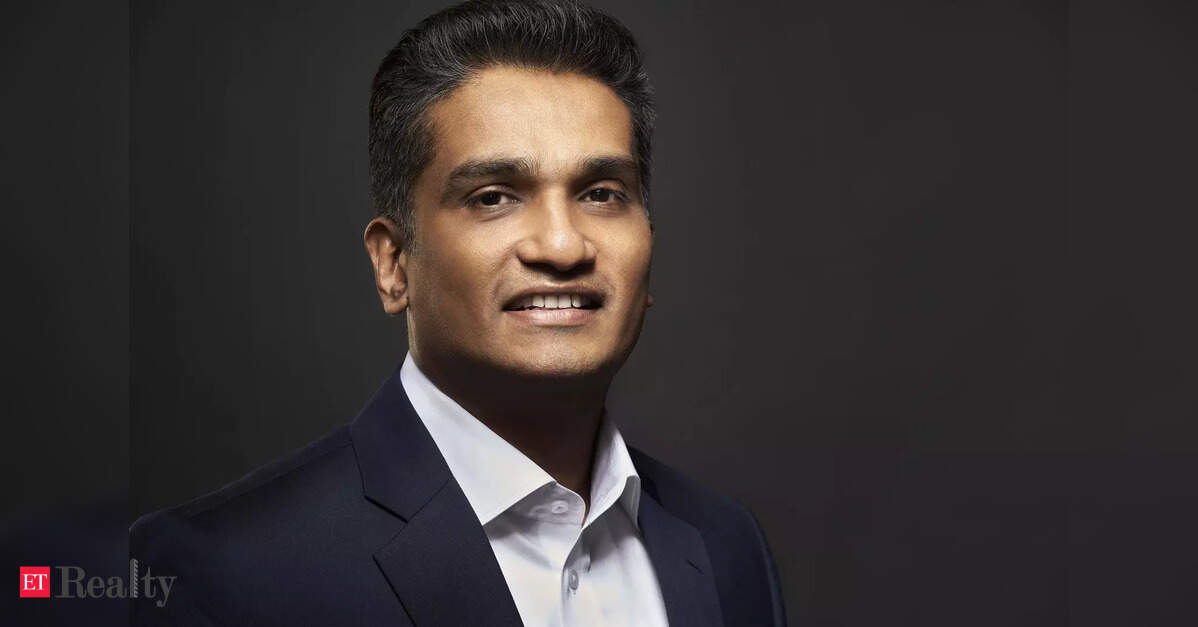
NEW DELHI: Mindspace Business Parks REIT plans to invest over ₹4,185 crore in capital expenditures for its ongoing projects from FY26 to FY28, targeting double-digit growth in net operating income (NOI) and net distributable cash flow (NDCF).
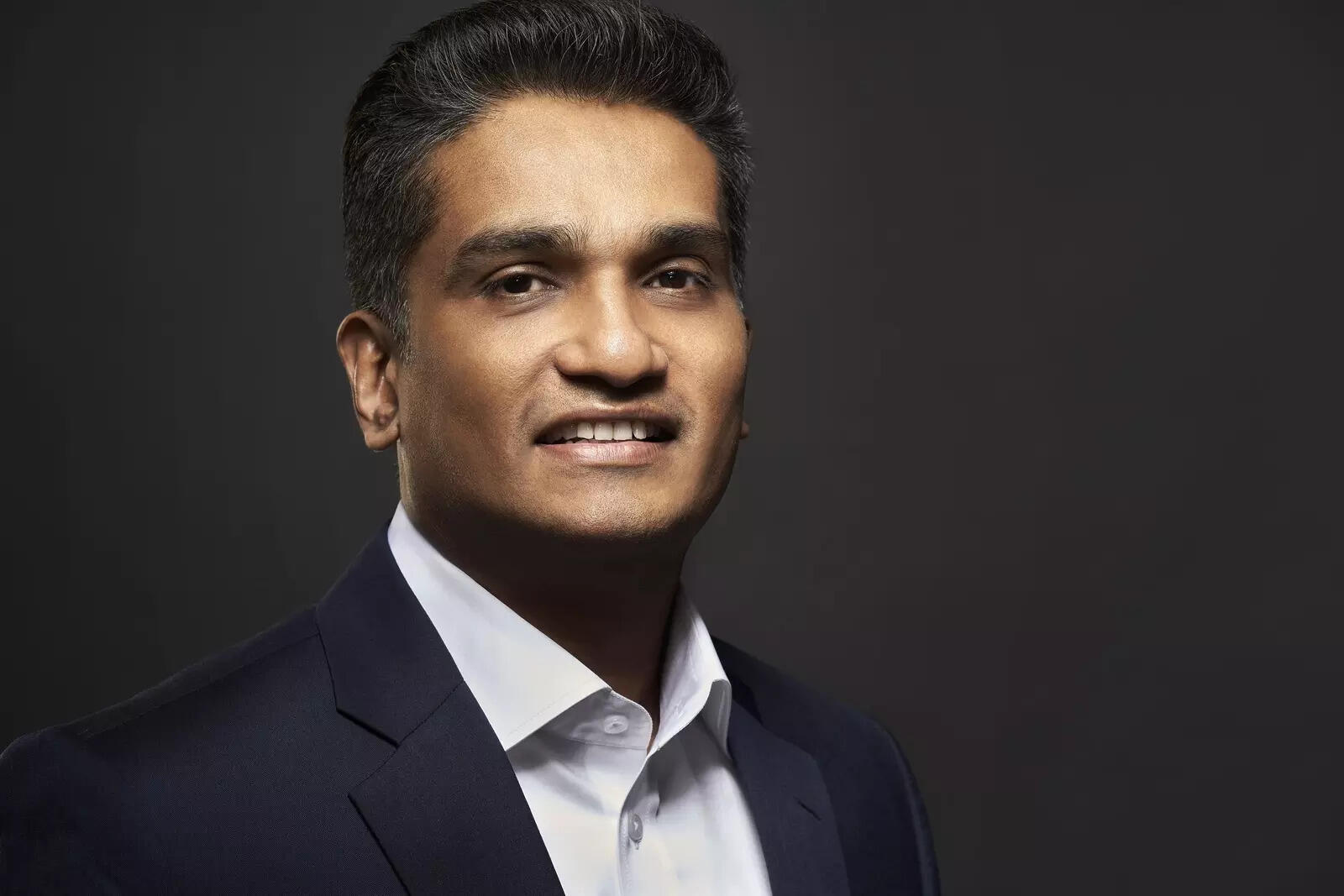
The company, boasting an under-construction portfolio of 15 million sq ft and completed assets totaling 31 million sq ft, aims to bolster its presence in key cities—Hyderabad, Mumbai, Pune, and Chennai—while also branching out into data centres, hospitality, and mixed-use assets to diversify its revenue streams, as per Ramesh Nair, CEO & MD, in an exclusive interview. Below are edited excerpts:
How has India’s commercial real estate market performed in the last two quarters?
The market has shown resilience. From January to September, office demand surged by 28% year-on-year; in the July-September quarter alone, demand increased by 23%. Despite some slowdowns due to geopolitical uncertainties, leasing momentum remains robust, led by GCCs, BFSI, and engineering sectors. Hyderabad has become a standout, emerging as the leading GCC destination in India, with average rentals in prime regions like HITEC City rising from ₹75 to ₹100 per sq ft in just two years.
In light of layoffs and global economic slowdowns, do you anticipate a decline in office demand?
So far, we haven’t observed any decline. Each quarter shows continued market growth. While there are global uncertainties and discussions around AI potentially replacing jobs, I believe India will come out stronger. The Indian IT and GCC sectors are relatively young, with an average employee age around 30, which allows for agile upskilling. AI is likely to create as many opportunities as it may displace.
What percentage of your portfolio is leased to GCCs, and how has that influenced your business strategy?
Approximately 54% of our portfolio is occupied by Global Capability Centres, while 20% is taken up by other multinationals and the remainder by Indian corporates. GCCs are engaging in more high-value, innovation-driven work, prompting us to develop world-class infrastructure and experience-centric campuses tailored to their requirements.
What are your diversification strategies beyond traditional office leasing?
We are pursuing diversification through four primary strategies:
- Integrating hotels and dining options within our campuses to enhance work-life balance.
- Expanding our data centre portfolio, which currently includes 1.7 million sq ft across five facilities (two operational and three under construction).
- Introducing more retail and entertainment areas within our business parks.
- Launching premium clubs and wellness spaces, such as the 100,000 sq ft Pearl Club in Hyderabad, which aims to redefine workspace amenities.
What is your total capital expenditure plan, and how will it be financed?
We are executing ₹4,185 crore in capital expenditures for our 15 million sq ft under-construction portfolio. The cost of debt has improved from 8.1% to 7.5%, allowing for more investment flexibility. Our balance sheet remains strong, with a loan-to-value (LTV) ratio of 24.5% and a weighted average lease expiry (WALE) of approximately 6.8 years.
What is your current occupancy rate, and how are you managing NOI growth amid rising costs?
Our occupancy rate is at 93.8%, and following last year’s volatility, input cost pressures have stabilized. Organic NOI growth is driven by rental escalations, mark-to-market opportunities, and leasing vacant spaces. Inorganic growth will stem from acquisitions, including third-party and sponsor group assets.
What is your stance on redevelopment and asset recycling?
We are actively recycling non-core assets; for instance, we are divesting a 25-acre, 600,000 sq ft asset in Pocharam, Hyderabad, which no longer aligns with our strategic vision. Redevelopment is also a focus area. With rising FSI levels in major cities, we see significant potential in upgrading older assets to more modern, high-yield formats.
Are there plans for expansion into tier-II cities?
At this point, we are focused on solidifying our presence in the top four cities—Hyderabad, Mumbai, Pune, and Chennai—where we have deep operational expertise and institutional-quality assets.
What are your key strategic priorities over the next five years?
Our main goal is to achieve sustained double-digit growth in NOI and NDCF. This will be pursued through organic growth by leasing out seven million sq ft currently under construction, optimizing 1.8 million sq ft of vacant space, and leveraging rent escalations; meanwhile, we will pursue inorganic growth through acquisitions and redevelopment. We remain committed to a tenant-first philosophy and disciplined cash flow management.
How do recent policy changes, such as the inclusion of REITs in equity indices, impact your business?
This is a transformative development. With REITs now part of equity indices, we anticipate increased investor engagement and liquidity. When REITs were introduced in India, the investor base was only 6,000; today, it has expanded to 300,000. Inclusion in these indices is set to attract mutual fund flows and institutional investment, benefiting valuation and price discovery.