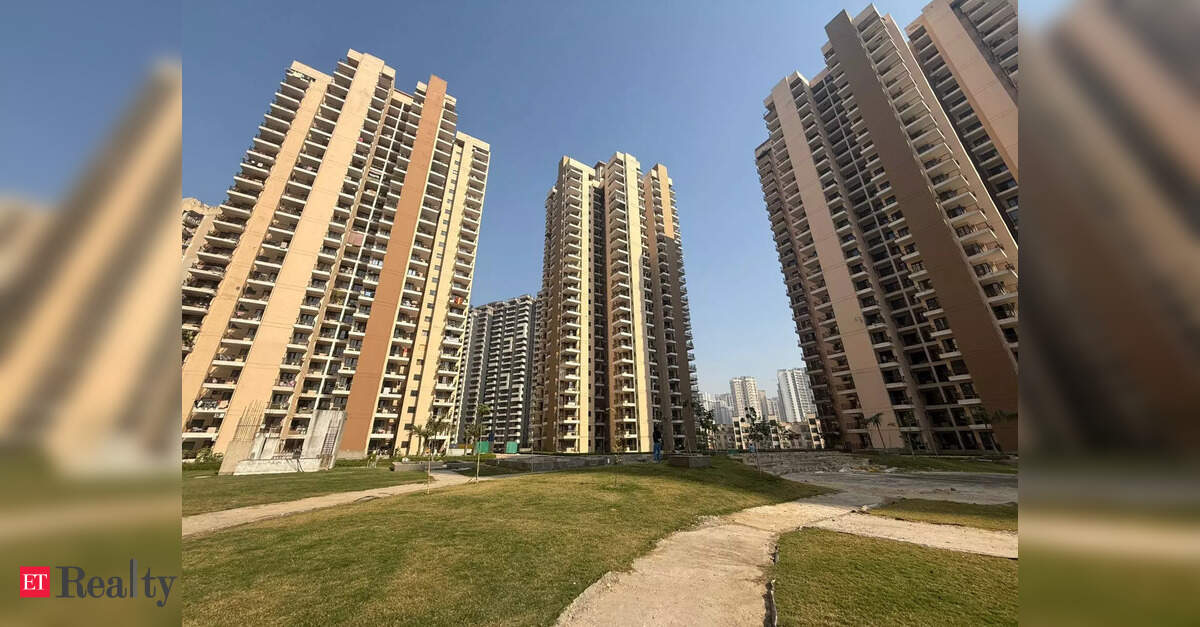
PUNE: The state housing department is expected to soon finalize the establishment of an independent authority similar to MahaRERA, aimed at providing a structured, transparent, and accountable framework for supervising redevelopment projects throughout Maharashtra.
Members of the advisory committee stated that the initiative follows comprehensive feedback from housing society federations and associations. Committee chairman Rajendra Mirgane informed TOI that recommendations have already been submitted, and a notification will be issued shortly.
The demand for such an authority has escalated, particularly as Maharashtra experiences a rise in redevelopment and self-redevelopment activities. Mirgane explained that this proposed authority will create a systematic and accountable framework for redevelopment projects statewide.
Once established, the authority will raise awareness about government regulations and policies, set procedures and regulations, and provide clarity on the appointment of project management consultants and developers. “It will also standardize development agreements and drafts, oversee approvals from various authorities, resolve disputes between developers and societies, and monitor the process until possession is granted,” he added. Additionally, the authority will streamline financial and loan processes related to redevelopment and act as a quasi-judicial body to combat fraudulent activities.
Ramesh Prabhu, founder-chairman of the Maharashtra Society Welfare Association, is a strong proponent of this initiative. He noted that while the Real Estate (Regulation and Development) Act 2016 (RERA) addresses new and ongoing projects, it fails to cover redevelopment, creating a legal gap. “The Centre should amend the law, but such changes take time. Maharashtra needs to take the initiative by establishing its own authority akin to MahaRERA to tackle unique redevelopment challenges,” Prabhu emphasized.
He highlighted that housing societies face numerous challenges, primarily due to a lack of transparency regarding information sharing, tender processes, and the appointment of consultants and developers. Frequent changes in developer entities contribute to uncertainty, and the absence of standardized procedures often results in poorly drafted agreements, leading to disputes within societies.
“In numerous cases, dissenting members resist vacating properties due to insufficient compensation, unclear communication, or ongoing litigations, causing redevelopment projects to stall indefinitely,” Prabhu added.
Other barriers include conflicts between landowners and developers, termination of prior agreements, unsafe building declarations, fluctuating market conditions, and projects halted due to funding issues. “The housing department must recognize these challenges. Establishing a dedicated authority is crucial for enhancing accountability, speed, and trust in the redevelopment process,” Prabhu asserted.
Additionally, members of the Maharashtra State Co-operative Housing Federation have endorsed the proposal. Federation director Shreeprasad Parab stated that with over 6,000 redevelopment-related lawsuits pending in the Bombay High Court and numerous others in lower courts, the current administrative and legal framework is “grossly inadequate” to safeguard the interests of millions of co-operative housing members across the state. The state federation, in collaboration with district organizations, has presented a five-point institutional reform agenda to Chief Minister Devendra Fadnavis.