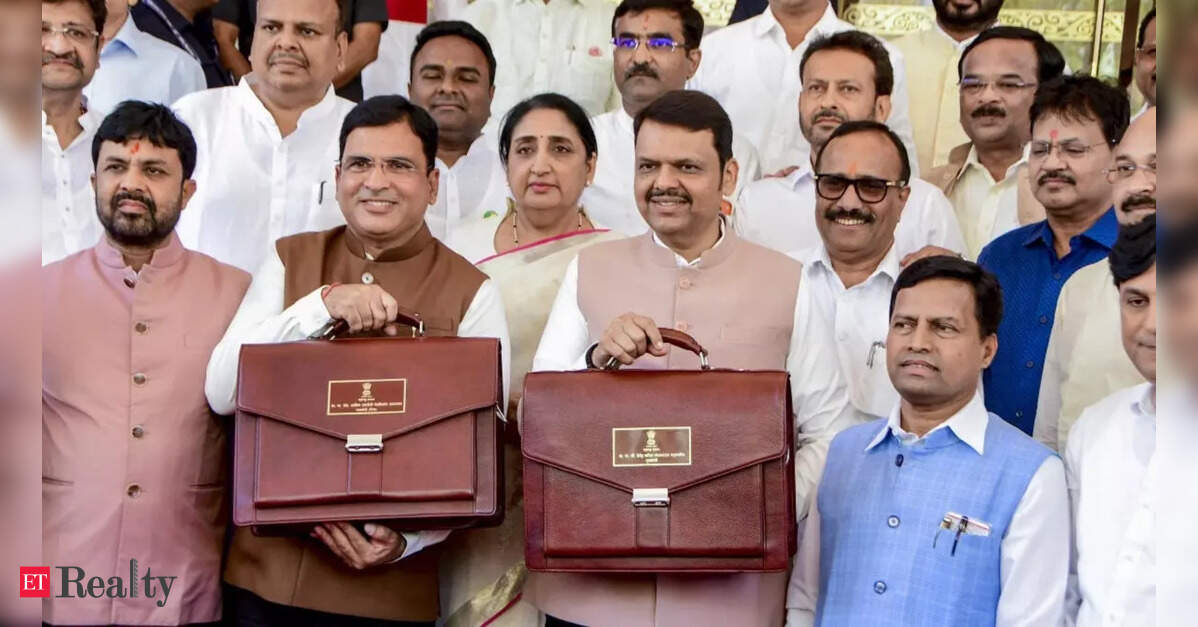
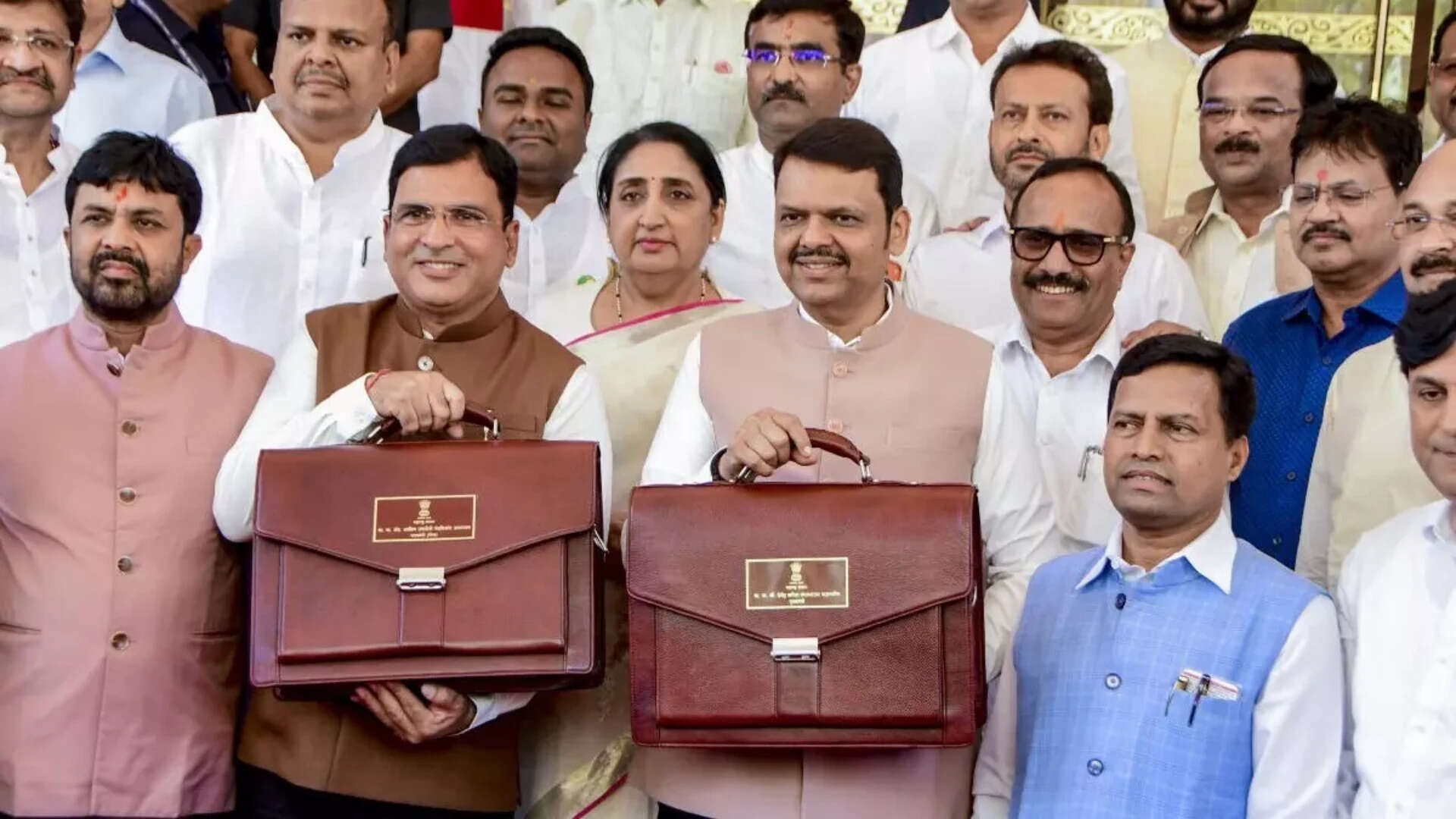
MUMBAI: In the Maharashtra State Budget for 2026-27, Chief Minister Devendra Fadnavis announced a significant shift in urban governance, predicting that by 2047, 70% of the state’s population will reside in urban areas while contributing nearly 80% to Maharashtra’s GDP.
The plan includes an expansion of the Metro network to 1,200 km and the expressway network to over 6,000 km. Major projects in Mumbai feature Metro Line 11 (Wadala to Gateway of India), envisioned as a fully underground corridor with an estimated cost of Rs 23,487 crore.
The government is also developing a “Third Mumbai,” a 200 sq km urban zone linked to the Atal Setu, encompassing regions like Kushmanda and Sai-Chirner, alongside the Vadhavan Port development, projected to generate over 12 lakh jobs.
In housing initiatives, a “No New Slum Framework” has been proposed, aimed at redeveloping 20 lakh slum tenements and constructing 10 lakh affordable housing units within the Mumbai Metropolitan Region.
To address anticipated urban growth, the Chief Minister introduced a series of governance reforms. He announced the establishment of empowered regional development authorities, transitioning from centralized municipal control to more than 10 regional authorities, modeled after institutions like the Mumbai Metropolitan Region Development Authority (MMRDA) but with enhanced fiscal and administrative autonomy.
New authorities will emerge beyond key urban centers like Mumbai, Pune, and Nagpur, covering areas such as Nashik, Chhatrapati Sambhajinagar, and the Solapur-Latur belt. The government intends to develop these regions as “City Economic Regions” rather than just administrative entities.
The budget encourages the creation of over 20 autonomous industrial and mixed-use townships, featuring simplified land-use regulations to expedite housing and commercial development. The vision of “Viksit Maharashtra” places technology at the forefront of city management to enhance the quality of life.
Following a successful pilot in the energy sector, AI-based “Digital Twins” will be implemented for major cities, allowing real-time simulation and management of traffic, water supply, and disaster response.
The government is also looking to integrate Artificial Intelligence and Machine Learning into the Auto DCR (Development Control Regulations) application to facilitate quicker and automated scrutiny of building plans and compliance checks.
The state’s long-term goal includes constructing 6 to 7 million affordable housing units by 2047, with considerable incentives focused on the cluster redevelopment of aging layouts. Additionally, the proposal includes enhancing connectivity through a network of high-speed expressways exceeding 6,000 km and high-speed rail corridors, aiming to position Maharashtra as a seamless multimodal hub.