Certainly! Here’s a rewritten version of the content you provided:
KOLKATA: The Kolkata Municipal Corporation (KMC) has mandated that all residential projects with a built-up area of over 5,000 sq m (approximately 53,000 sq ft) must include parking for visitors. Previously, this requirement applied to projects exceeding 10,000 sq m (100,000 sq ft).
To support developers in meeting this requirement affordably, KMC will offer an increased floor area ratio (FAR) to facilitate the construction of additional parking. Of this extra FAR, at least 25% must be allocated for visitor parking.
For instance, a project of 50,000 sq ft could potentially feature around 40 units, each having a carpet area of 1,000 sq ft.
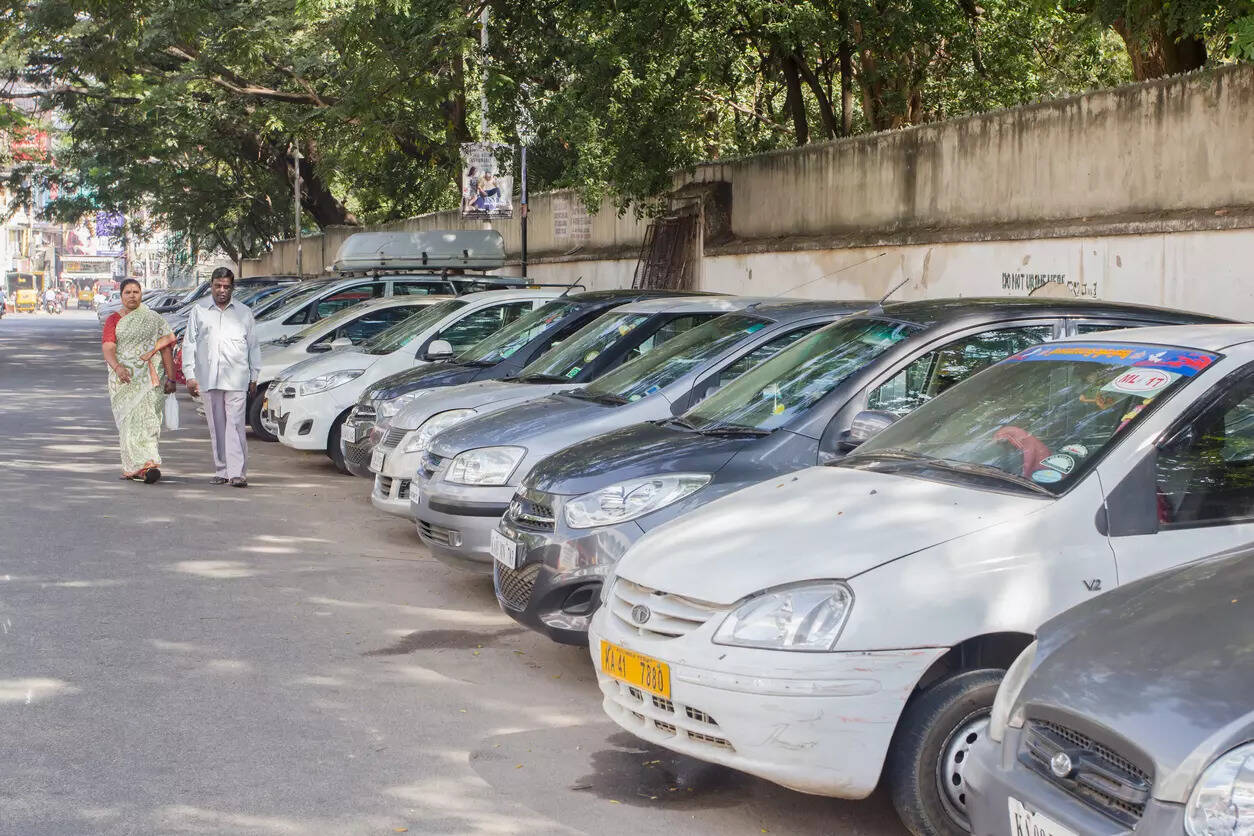
Concerns regarding visitor parking have become prevalent in Kolkata, especially in areas with heavy traffic and narrow streets.
Civic officials believe the updated regulations will benefit both residents and developers. Residents will gain access to designated visitor parking, which may reduce street congestion and create a more organized parking system. Developers will enjoy enhanced flexibility in project planning, as they can add parking without affecting FAR calculations.
Under the new KMC amendments, multi-level parking structures can now be as tall as six tiers, a significant increase from the previous maximum of two levels. Additionally, mechanical (stacked) parking is now allowed on all floors, with one tier being eligible for FAR concessions. This vertical expansion of parking capacity aims to optimize land use and accommodate more vehicles on the same footprint.
“KMC’s revised regulations indicate a shift from merely meeting minimum standards to a more strategic approach to parking planning, imposing more rigorous requirements for visitor parking while providing new options such as extra FAR-free parking and multi-tier garages,” stated Biplab Kumar, president of NK Realtor (brand, consulting & sales).
To promote transparency and proper use, all parking spaces must be distinctly marked for their designated purposes—residential, commercial, or visitor. Developers must submit a commitment during the plan approval stage, ensuring that parking areas won’t be repurposed in the future.
The amendments also adjust how parking requirements are calculated, shifting to a total built-up area basis, excluding exempt portions. This new method provides a more accurate reflection of parking needs relative to the overall scale of the development.

Feel free to ask if you need any further modifications!