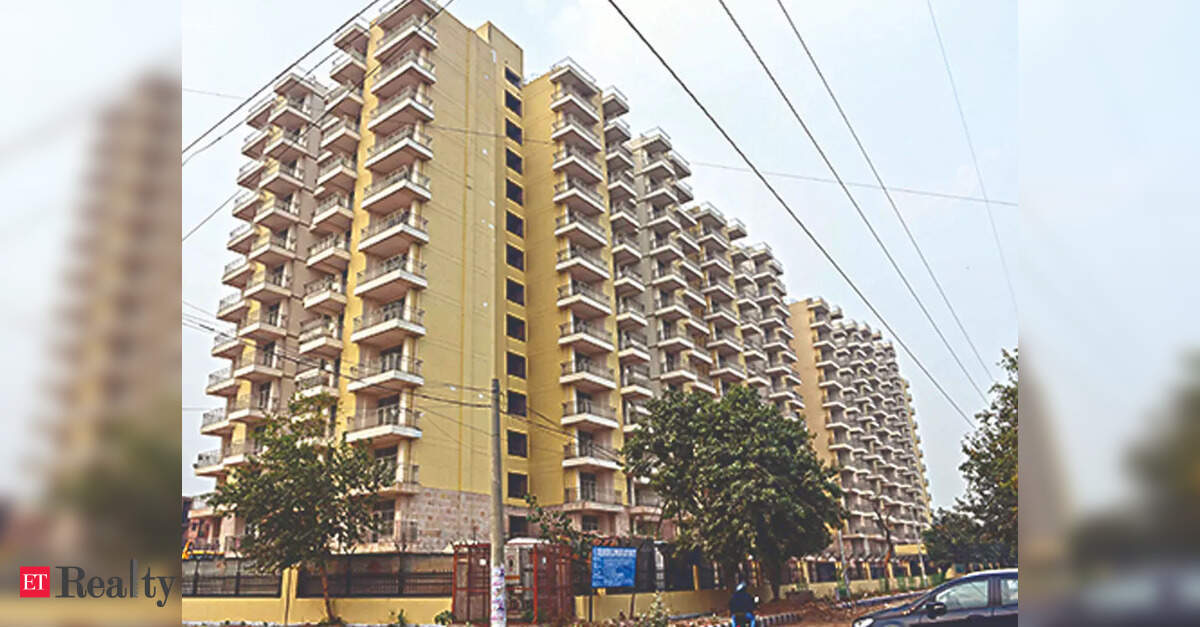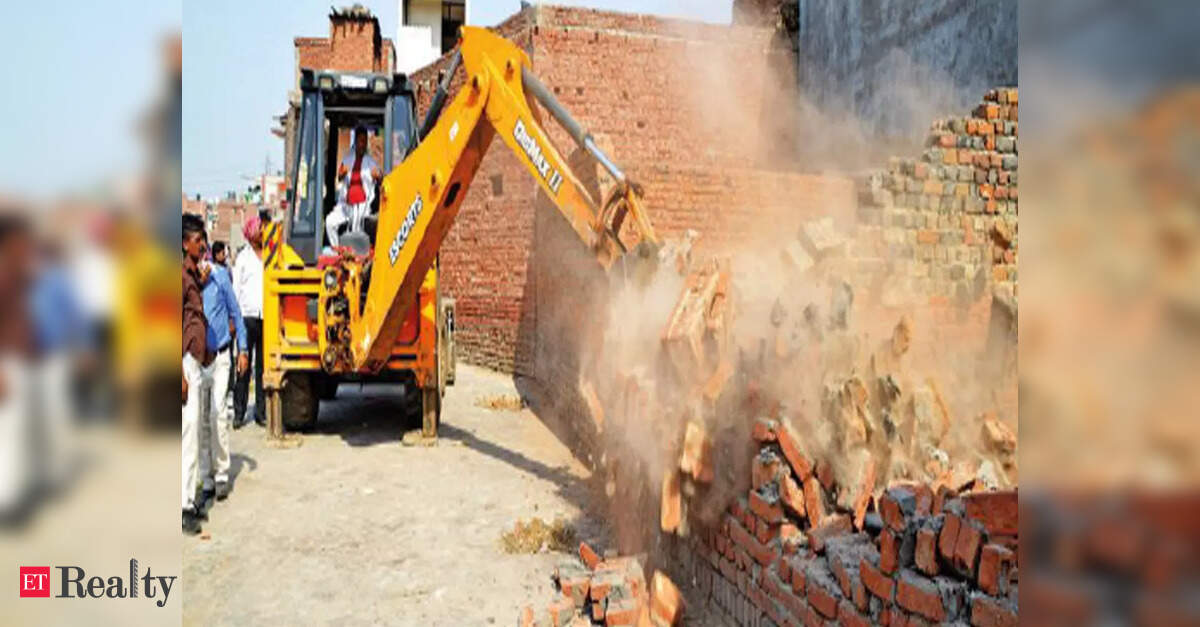

PUNE: A decrease in the availability of affordable housing and challenges related to commuting and access to basic amenities is affecting demand in the city, as reported by industry experts and residents on Tuesday.
Many affordable housing projects are situated on the city’s outskirts, including areas like Wagholi, Phursungi, Katraj, Dhanori, Lohegaon, and locations beyond Wakad and Balewadi, extending to Urali Kanchan.
Industry experts noted that these locations often experience issues such as power outages, water supply shortages, and poor road conditions. “Many affordable housing projects fail to launch due to these challenges. On the supply side, the government should consider redefining affordable housing and offer tax and stamp duty concessions to developers,” said Nitin Deshpande, chairman of the Marathi Bandhkam Vyavsayik Association.
Currently, affordable apartments are defined as those priced at up to ₹45 lakh or 968 sqft. However, most available flats are smaller, typically ranging from 400 to 450 sqft, which accommodates nuclear families but falls short for larger families, according to residents.
A recent survey by property consultant Anarock revealed that many homebuyers are dissatisfied with project locations, flat sizes, and construction quality. The firm noted that the most affordable homes in these areas start at around ₹55 lakh.
Wagholi resident Shalaka Kale raised a significant concern regarding maintenance payments for these affordable housing projects. “Many occupants fail to keep up with maintenance fees, leading to dilapidated buildings. This, in turn, affects the resale value of the flats, especially when finding a buyer is challenging,” she said.
According to Knight Frank India, high land costs in urban areas make affordable housing unfeasible unless the location is economically viable. However, obtaining such land in central areas is often prohibitively expensive, forcing developers to seek more affordable land on the city’s peripheries, which is typically less connected to urban infrastructure.
Katraj resident Sarang Kumbhar shared his commute experience, stating he spends nearly two to three hours traveling between home and work daily. “It would be more convenient to relocate to a central area. The Metro network should expand to peripheral areas to facilitate middle-class access to the city center,” he suggested.