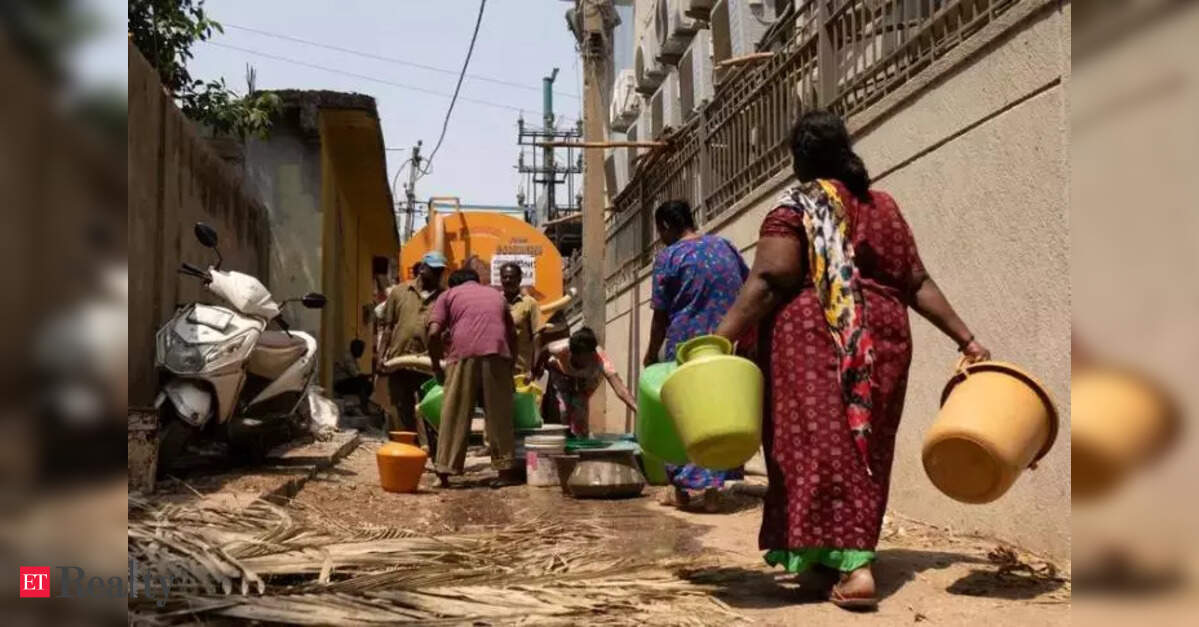
BENGALURU: A concerning decline in groundwater levels has been reported across 65 wards in Bengaluru’s western and northern corporation limits. In response, the city’s water supply authority has developed a ₹10 crore plan to address potential water shortages during the summer months.
A collaborative study by the Indian Institute of Science and various groundwater agencies has highlighted an imminent groundwater crisis as Bengaluru braces for another hot summer characterized by high temperatures and increased water demands.
Officials from the Bangalore Water Supply and Sewerage Board (BWSSB) noted that the report, generated using AI analytics and IoT-based groundwater monitoring systems, shows a consistent drop in water tables in these areas. The research involved analyzing borewell data, recharge rates, extraction levels, and seasonal changes to forecast potential stress during the peak summer months.
The findings align with last year’s patterns, yet indicate a sharper decline in densely populated residential areas, primarily in north, northwest, and eastern Bengaluru.
BWSSB’s strategy focuses on enhancing water connections in affected wards, increasing borewell monitoring, and ensuring the optimal function of all Reverse Osmosis (RO) plants.
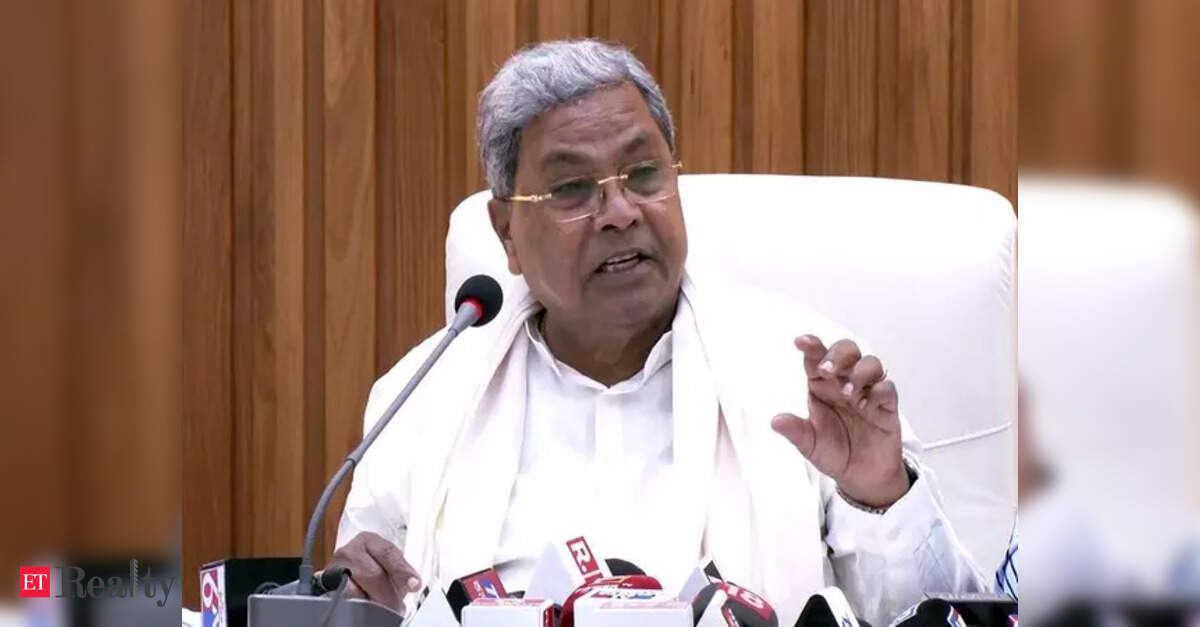
“Teams have been directed to inspect and repair damaged pipelines, locate unconnected households, and expedite supply to apartment complexes. Plans are being developed to install water tanks in vulnerable neighborhoods, establish temporary distribution points in slum and high-density areas, and augment Cauvery water supplies where possible,” stated Ram Prasath Manohar, BWSSB chairperson.
The agency will also monitor construction sites to ensure treated water is used instead of potable water. “Public taps at temples, malls, and government offices will be equipped with aerators to minimize wastage. Penalties will be enforced for non-essential uses of drinking water, such as washing vehicles, gardening, and cleaning, similar to measures taken last summer,” he added.
Manohar emphasized that the IISc assessment provides crucial ward-level insights into the crisis. “We are not waiting for tankers to be the sole solution. Preventative initiatives are being implemented immediately across all 65 identified wards.”
Wards Experiencing Groundwater Stress
Jakkur, Doddabommasandra, Shettihalli, Mallasandra, T Dasarahalli, Jalahalli, Sanjayanagar, Hebbal, Nagawara, Horamavu, Ramamurthy Nagar, Kammanahalli, Kadugondanahalli, Kaval Byrasandra, Manorayanapalya, Peenya Industrial Area, Nandini Layout, JC Nagar, Lingarajapuram, KR Puram, Mahalakshmi Puram, Vijayanagar, Nagarabhavi, Chamarajapet, Koramangala, Kengeri, Girinagar, and Katriguppe.