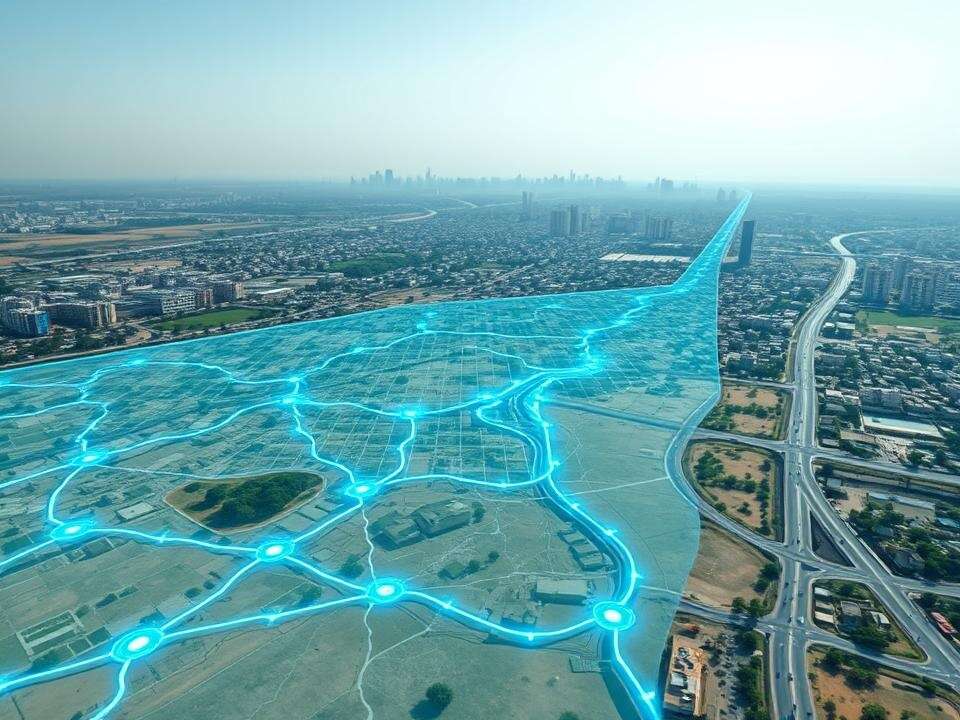
GURUGRAM: The MCG has set a deadline of November 15 for the completion of the digital mapping of the city’s entire water infrastructure.
Executive engineers have been instructed to direct junior engineers to gather data on the water infrastructure, including pipelines, boosters, valve lines, and tube wells. This information will be sent to the MCG’s Geographic Information Systems (GIS) lab to finalize the mapping.
The initiative is aimed at addressing data deficiencies that hinder the civic body’s ability to monitor water supply, manage consumption, and recover payments.
MCG is implementing an integrated IT system and plans to phase out tube wells as part of its effort.
The decision is a part of MCG’s citywide audit of the water supply and revenue system, prompted by significant issues in billing, mapping, and unauthorized groundwater extraction. This was decided during a review meeting led by Additional Commissioner Yash Jaluka (IAS), which examined revenue from water bills and associated expenditures.
Jaluka stated to TOI, “Our goal is to ensure a 24×7 supply of potable water to Gurgaon residents. Similar projects have been successful in Puri and Coimbatore; there’s no reason Gurgaon can’t achieve this. To do so, we need to fix the gaps in the water billing system.” He further emphasized, “Through mapping, we will pinpoint the locations of our water pipelines, their diameters, installation dates, and the capacity of boosting stations to identify the existing gaps.”
Additionally, MCG will create a comprehensive IT system for billing, grievance resolution, and managing new water connections. This task will be collaborated on by the corporation’s IT division and a private firm, with immediate directives in place.
The planning branch of MCG has been tasked to provide colony-wise approved data by Wednesday to facilitate the correction and verification of consumer bills by zonal tax officers. Officials revealed that the corporation suspects widespread underbilling and unbilled connections across various residential sectors and unauthorized colonies. MCG is also set to identify all areas dependent on tube wells due to insufficient pipeline supply.
The civic body will gather information on all private tube wells, both authorized and unauthorized, and will install flow meters on the sanctioned ones. The plan aims to phase out tube wells in two stages and transition affected regions to a pipeline-based water supply.
Moreover, the corporation intends to broaden its list of licensed plumbers, sourcing candidates from Industrial Training Institutes (ITIs) to enhance service quality and prevent unauthorized plumbing work. The revised list will be verified and made public.
In fiscal year 2024-25, MCG generated Rs 21.5 crore from water and sewerage charges, while it estimated an income of Rs 40 crore. For 2025-26, the corporation aims for Rs 50 crore from these charges. MCG paid Rs 92.34 crore to GMDA for bulk water supply in 2024-25 and has allocated Rs 120 crore for 2025-26, a decrease from the Rs 170 crore allocated for 2024-25.