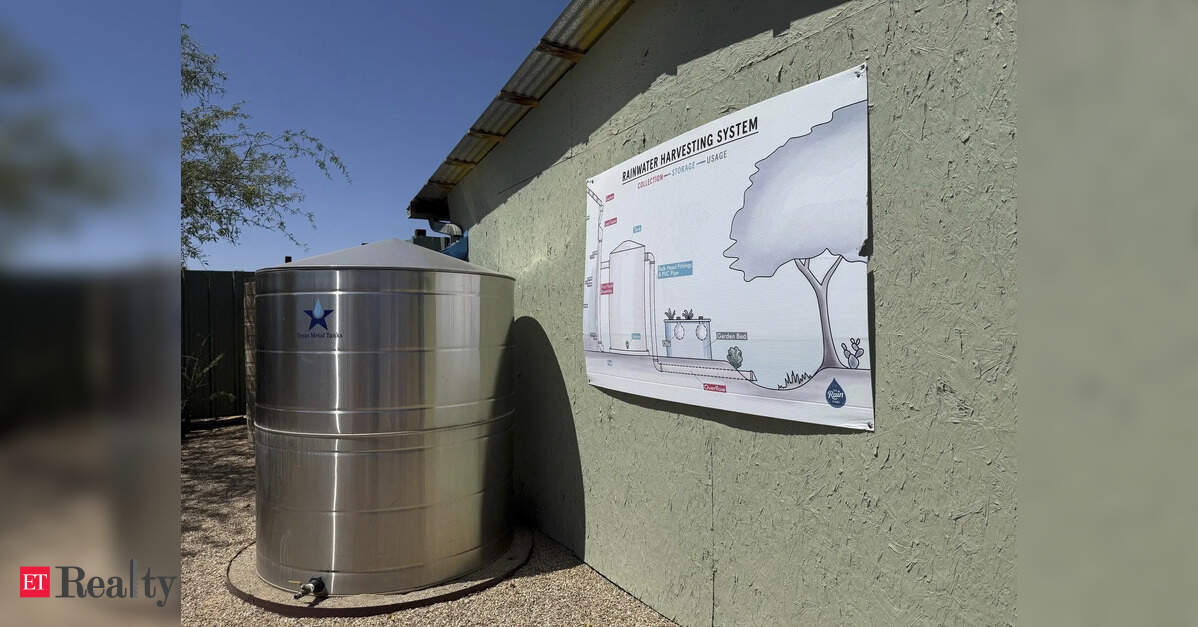
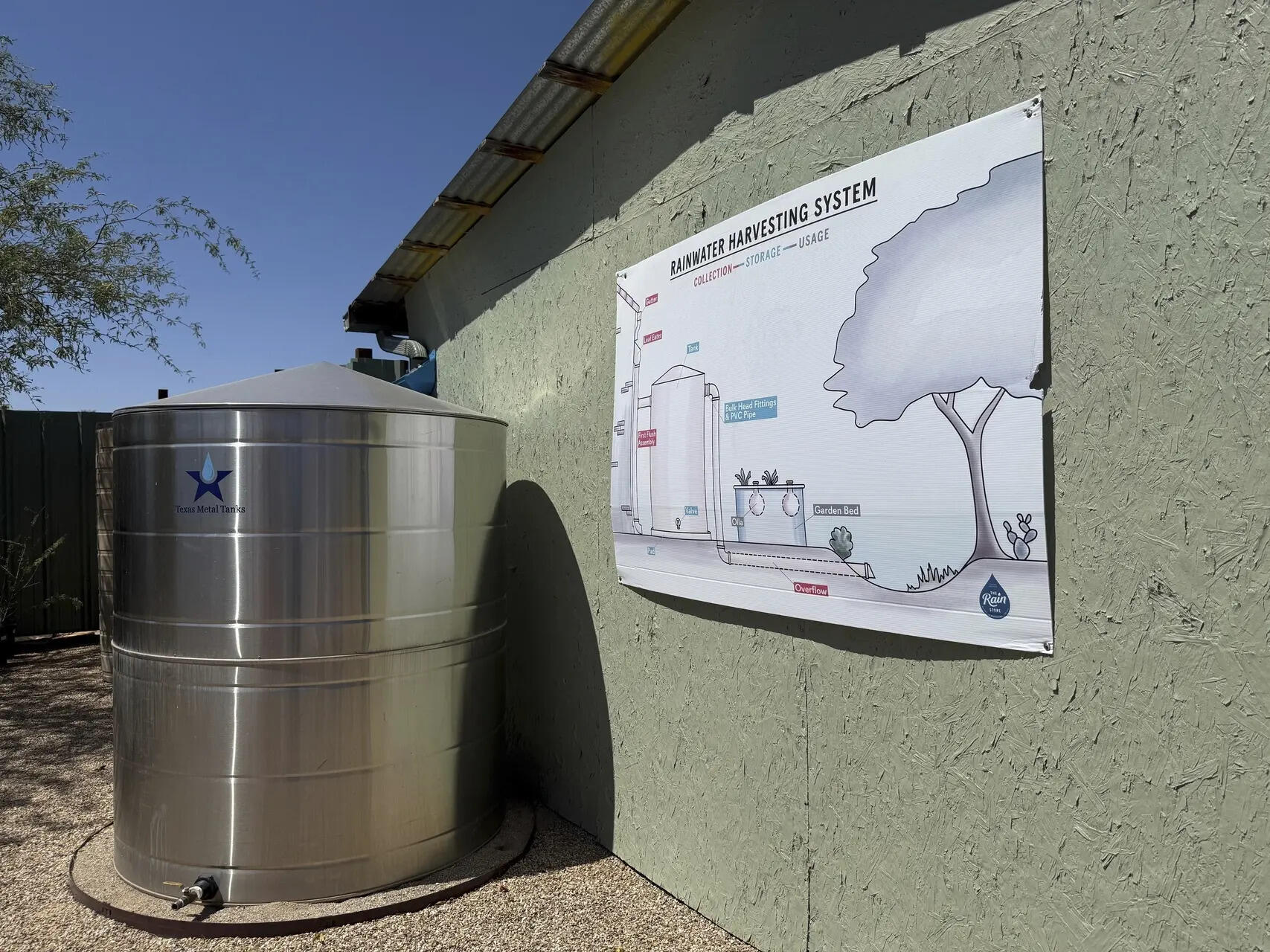
GURUGRAM: During a recent inspection, nearly 90% of rainwater harvesting systems in high-rise societies were found to be non-functional. As a result, the GMDA has instructed developers and resident welfare associations (RWA) to restore these systems within four to six weeks. They must also provide proof of functionality by December 31.
After the deadline, nodal officer R S Bath and his team will conduct random inspections of societies to confirm if their water harvesting systems are operational.
Since May 2020, the MCG has mandated these systems for all residential buildings, group housing societies, schools, hotels, and industrial establishments under the Haryana Building Code of 2017.
An analysis by district authorities revealed that if just 70 societies implement effective harvesting systems, it would create an impact equivalent to over 14,000 individual plots. With numerous high-rise societies in the city, their collective efforts can significantly contribute to rainwater harvesting and groundwater recharge.
To support this initiative, the district administration held a workshop on rainwater harvesting and recharge systems at the auditorium of DAV School in Sector 49. Representatives from 69 housing societies and developers participated, with GMDA’s principal advisor D S Dhesi chairing the session. Deputy commissioner Ajay Kumar and DTP nodal officer R S Bath were also present.
Dhesi highlighted that while rainwater harvesting has been mandatory for plots larger than 500 yards under HUDA (now HSVP), today’s multi-storey societies impact larger areas and populations. “If 70 chosen societies operate effective systems, it will positively affect an area comparable to over 14,000 plots,” he stated, emphasizing the need for accountability in larger projects.
DC Ajay Kumar asserted that in a rapidly developing city like Gurgaon, water conservation is essential. “Changing rainfall patterns, intense weather events, and declining groundwater levels necessitate both local solutions and larger projects,” he noted. Given that rainfall exceeded 40mm per hour in several locations this year, while current drainage systems are designed for only 15-20mm, waterlogging is inevitable. “Efficient recharge structures are essential in every society to allow at least 30-40% of water to return underground, effectively addressing both waterlogging and shortages,” he added.
Moreover, the DC called for public involvement in resolving waterlogging issues, emphasizing that government efforts alone are inadequate. “RWAs, developers, and the administration must collaborate. Many large societies already have effective rainwater harvesting systems, which can serve as models for others,” he said.