PANAJI: Following a central government intervention two years ago that paused the Goa town and country planning (TCP) department’s zoning plan to convert 21% of Pernem’s green space, Arambol is witnessing unrest once again.
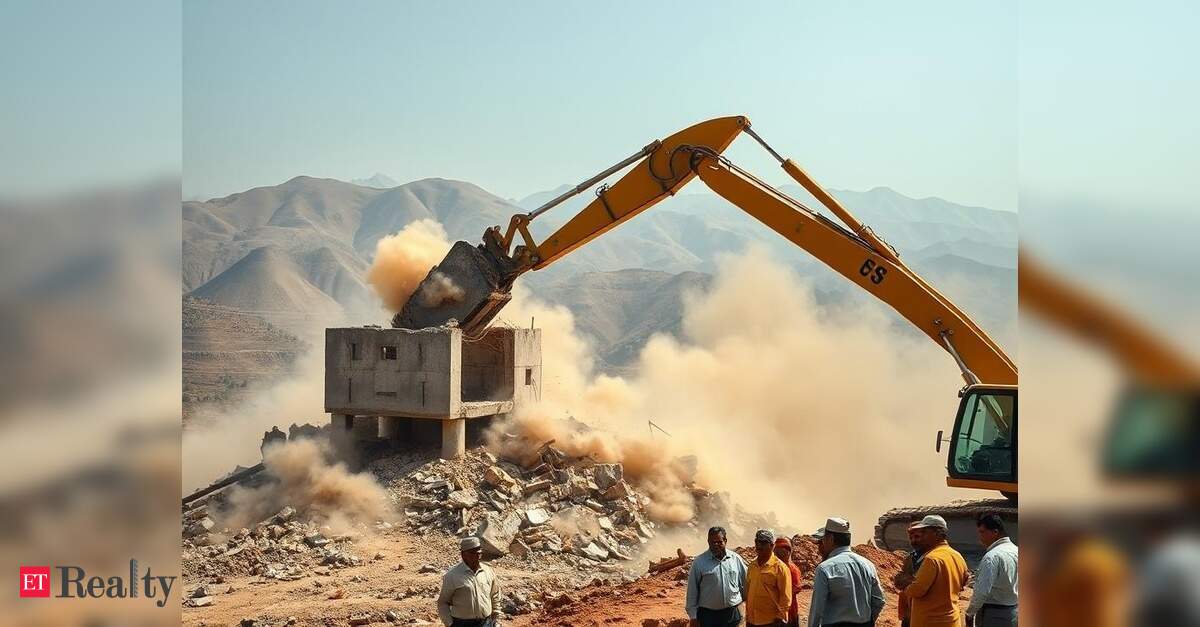
A substantial hill in Bhatwadi, Arambol, enveloped by a dense private forest spanning 3 lakh sqm, has been reclassified as settlement land. This change threatens approximately 1,000 residents from five wards living at the base of the hill, who are concerned about potential landslides akin to what occurred in Wayanad if the trees are cleared for luxury hotels or villas.
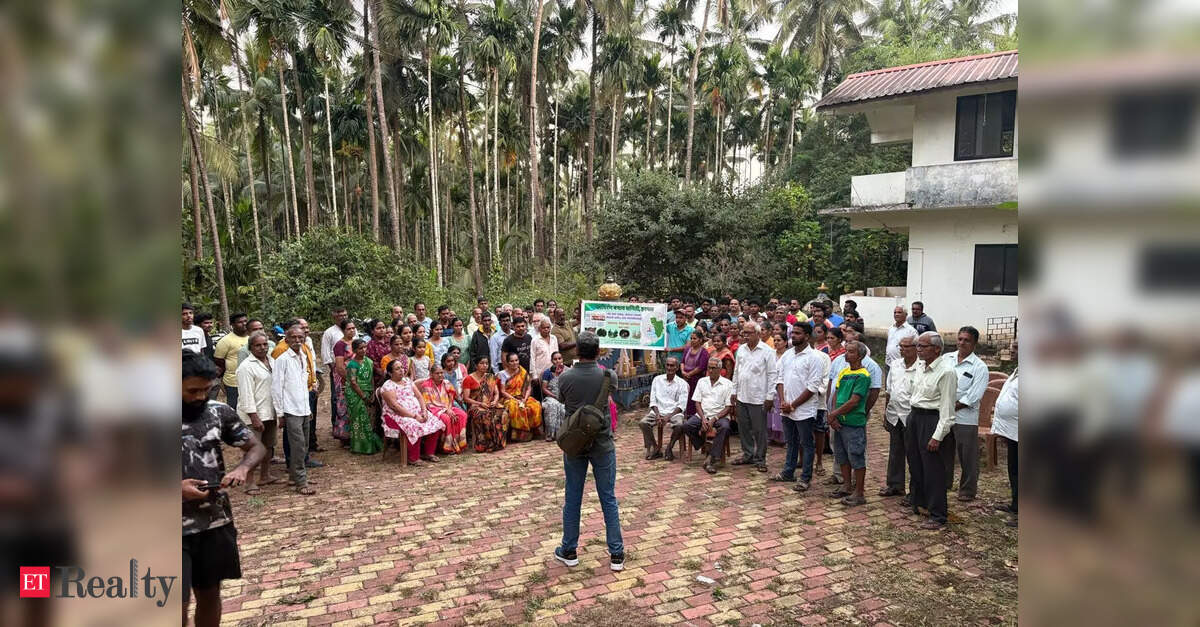
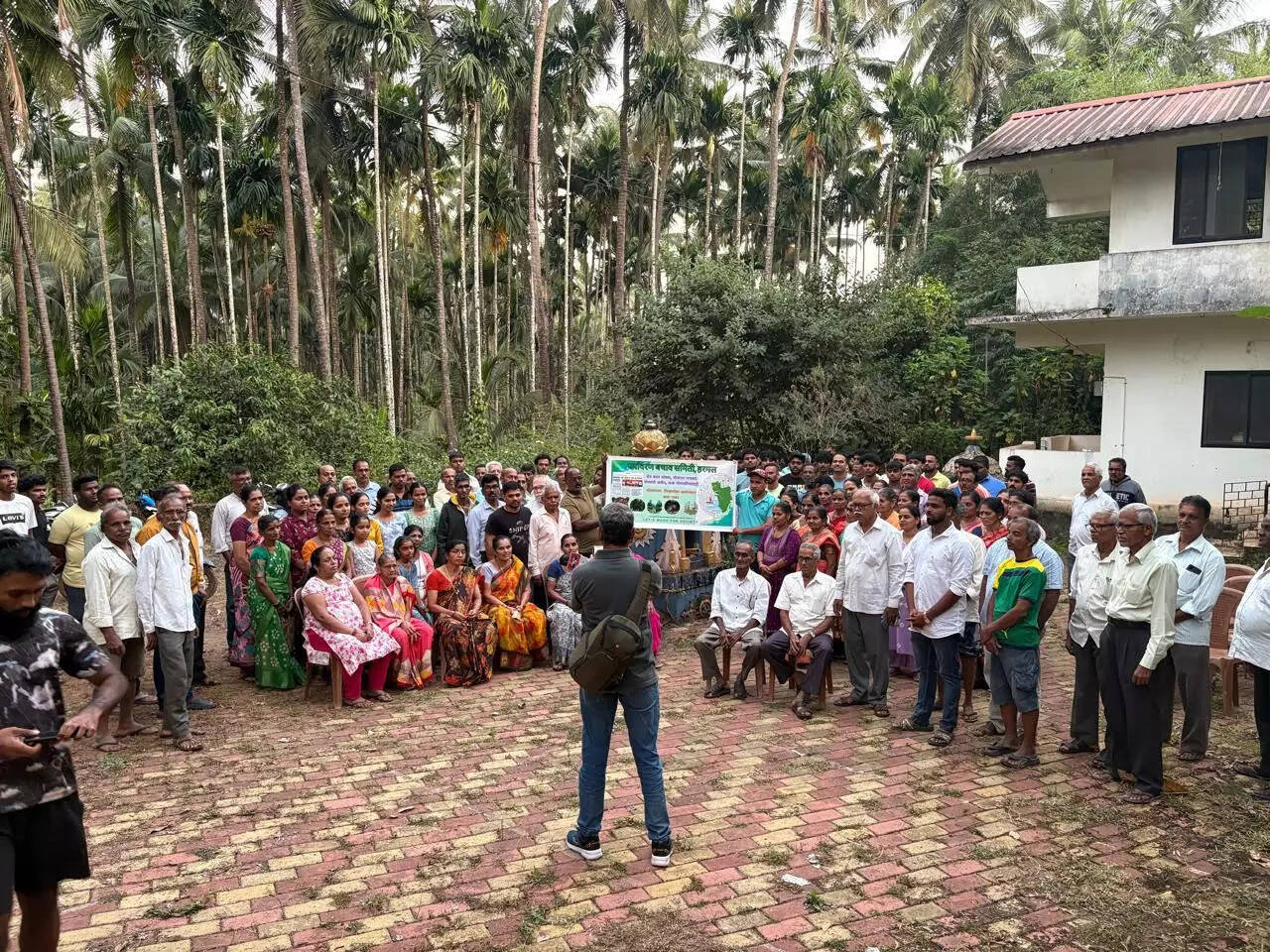
Locals protested on Sunday evening and plan to continue until the conversion is reversed. Resident Rohit Satelkar expressed frustration, stating they were promised by the Chief Minister and local MLA that the conversion would not proceed, yet a notification was issued this month.
“The land was sold by a local to a non-Goan buyer, and we have been vigilant to ensure it isn’t converted to a settlement zone. We will protest until this issue is addressed in the upcoming assembly session,” stated Prasad Shahapurkar from nearby Mandrem, where residents also joined the protests.
Mandrem MLA Jit Arolkar suggested that the conversion raises serious questions. “I have already engaged with the TCP department and submitted a representation to the CM, who assured me that the conversion will be reversed. If an entire village is opposing it, yet such a large area of 3 lakh sqm is being converted, there’s something suspicious going on. I will firmly oppose this,” Arolkar remarked.
Residents argue that the forest at Bhatwadi is home to various wildlife, including foxes, bison, and leopards, and also contains the village cremation ground, playground, and a revered shrine—all of which are now included in the settlement zone.
“The hill, extending 1.5km and constituting nearly half of Arambol village, has been designated as a settlement zone. The ramifications will impact the entire village. The upcoming project will alter our demographics significantly; the number of plots, residential units, and villas will rise dramatically. There’s a lack of proper waste management for such development here,” Satelkar highlighted.
Residents rely on well water year-round, thanks to the forest cover, which shields them from water scarcity amidst unplanned tourism growth along the Arambol-Mandrem coast. Locals fear that the establishment of borewells for the new project will lead to water shortages for the first time in their lives.
“Surrounding horticultural fields will suffer due to this. Our village identity will vanish if the hill is destroyed. This is a fight for our identity,” remarked another resident, Esperance D’Souza.