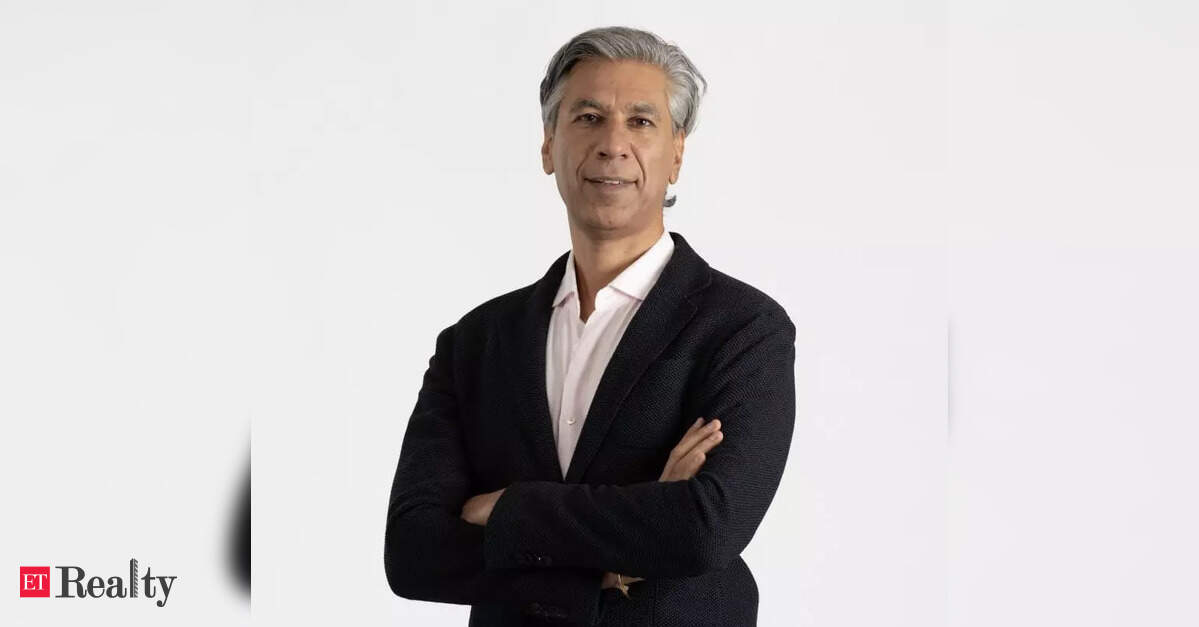

NEW DELHI: Gera Developments, based in Pune, is gearing up for a significant expansion with managing director Rohit Gera announcing an investment of approximately ₹16,000 crore in forthcoming residential projects over the next few years. This substantial investment will be evenly distributed between the company’s child-centric and recently introduced wellness-centric segments.
In an exclusive conversation with Ankit Sharma, Gera shared insights into the company’s outlook, investment plans, product innovations, and financial strategies. He elaborated on the rationale behind preferring outright land purchases over joint ventures, detailed the phased project pipeline, and discussed how the wellness-centric model will enhance the existing child-centric brand. Here are edited excerpts:
Could you elaborate on the ₹16,000 crore commitment to new projects? What are the focus areas and timeline for this investment?
We aim to achieve a combined project value of ₹16,000 crore, with an equal distribution of roughly ₹8,000 crore each into child-centric and wellness-centric projects. The wellness-centric initiatives alone are projected to contribute about ₹10,000 crore in gross development value across seven projects, each spanning two million sq ft. Funding will primarily come from internal sources and some project-specific debt.
This figure includes both land and construction costs, with the investment phased according to project timelines. Our goal is to achieve a balanced portfolio split between both product lines over the next three years, with this balance reflecting not only the number of projects but also their development volume and value. The actual deployment of capital will depend on the lifecycle of each project, with certain investments extending beyond the initial three years.
What’s the current average price per sq ft and the expected profit margin for FY26?
Our average price per sq ft for FY25 stood at ₹8,600, and we anticipate a 5% increase for FY26, bringing it to approximately ₹8,900. Our profit after tax (PAT) margin was 13.8% for FY25, with projections of 14.1% for FY26.
What is your current debt level?
Currently, our debt amounts to approximately ₹460 crore, which we aim to reduce to around ₹200 crore by year-end.
How would you describe FY25 for the company?
It’s been a robust year. We did face some initial buyer reluctance due to rapid increases in both home prices and apartment sizes—what I refer to as “sticker shock.” However, developers, including ourselves, adapted. We’ve recalibrated product sizes and stabilized the price increase rate. As affordability improves and price trends stabilize, we’ve seen solid sales over the past nine months.
What does the project pipeline look like for FY26?
For FY26, we plan to launch approximately 22 lakh sq ft from existing projects and an additional 30 lakh sq ft from new acquisitions, bringing our total development area to about 1.1 crore sq ft. By year-end, we expect to have around seven million sq ft ongoing, with about 2.2 million sq ft scheduled for handover from developments like Gateway, Planet of Joy, and World of Joy.
Have prices declined compared to last year?
Not at all. Prices per sq ft have remained stable at peak levels. While configurations have slightly adjusted—leading to lower total costs for two-bedroom units—the per-square-foot prices remain robust.
Why does Gera prefer outright land purchases over joint development or asset-light models?
We favor outright purchases as they provide greater control, mitigate financial risk, and align with our prudent approach. Joint development often compresses developer margins and introduces operational risks that may hinder timely project completion. Our financial health, reflected in a low leverage ratio, allows us not to rely on construction finance, maintaining a AA- credit rating, one of the highest in the sector.
What are your views on redevelopment projects?
While redevelopment represents an asset-light approach, it necessitates strong tenant management capabilities, which we are currently developing. Although we’re not dismissing this opportunity, we will only proceed once we have the necessary systems and expertise in place.
What led to the initiation of the wellness-centric segment?
Having successfully developed child-centric homes for years, we realized the importance of adding a service component to enhance overall project success. While expanding our portfolio, we found many initial child-centric customers needed offerings that catered to their evolving lifestyle needs. This shift toward wellness-centric homes addresses that gap and is strategically designed to accommodate our customers as they transition through different life phases.
Is this just repackaging existing amenities?
While it may seem so initially, the difference lies in execution. We’re not merely providing infrastructure; we actively manage and sustain a holistic ecosystem. Our wellness-centric projects, like our child-centric ones, will continue to be managed as services, distinguishing them from standard offerings.
Will this service model create a long-term revenue stream for the company?
No, we don’t derive revenue from post-possession services for either segment. We strive to avoid overcharging customers after sale. Service providers are contractually obligated to contribute a small percentage of their revenue to the society for maintenance while keeping their charges below market rates, ensuring we uphold the value of our premium offerings.
How is Gera’s commercial portfolio evolving, and what is its role in your overall business?
Currently, residential activities comprise 90-98% of our operations, but we expect to shift this to a 90:10 residential-to-commercial ratio as we develop more office spaces for sale, capped between 10% and 20%. We also manage a separate rental entity, GA Holdings, with a portfolio of 1.5–1.6 million sq ft and aim for further expansion, although this operates separately from our development side.
Given this expansion, why not consider an IPO?
We’re not restricted by capital. With our strong brand identity, solid balance sheet, and access to various financial resources, we can self-fund our growth. IPOs are often pursued for visibility or to fuel significant multi-city expansions, which isn’t our current focus. Our priority centers on sustainable growth rather than scaling recklessly.
How is Gera addressing rising land prices driven by new market entrants?
While competition and increased input costs are realities we face, we manage to maintain balanced margins as output prices adjust. We view land as a necessary raw material rather than a speculative asset, ensuring acquisitions align with project needs and focusing on delivering value rather than speculative ventures.
Do you believe that ongoing price appreciation will affect affordability, especially with anticipated salary slowdowns?
No, I don’t think so. Even with stable prices, salaries are likely to continue rising. We expect a slight increase in salaries to about 12.1% this year, up from an average of 11.8%. Even if property prices rise by 5-6%, coupled with salary increases of 7-8% and lower interest rates, affordability will improve. Historical trends show that builders often reduce flat sizes to maintain affordability.
Could having both large and smaller projects selling at similar prices generate market distortions in the future?
That’s an intriguing viewpoint. Larger projects are typically launched in phases, allowing for size variations between phases. This approach ensures that for large developers, things balance out over time. Smaller developers, however, face critical challenges if sales are slow. The key factor remains a developer’s financial stability and capability to complete their projects without necessarily having to cut prices significantly at this stage.