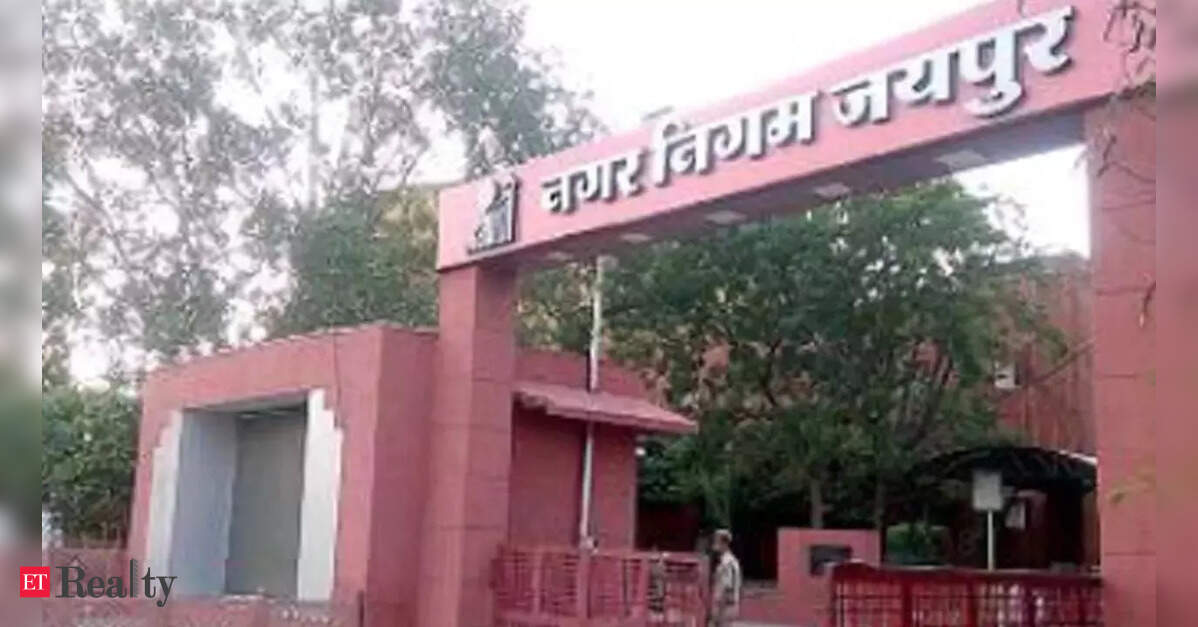
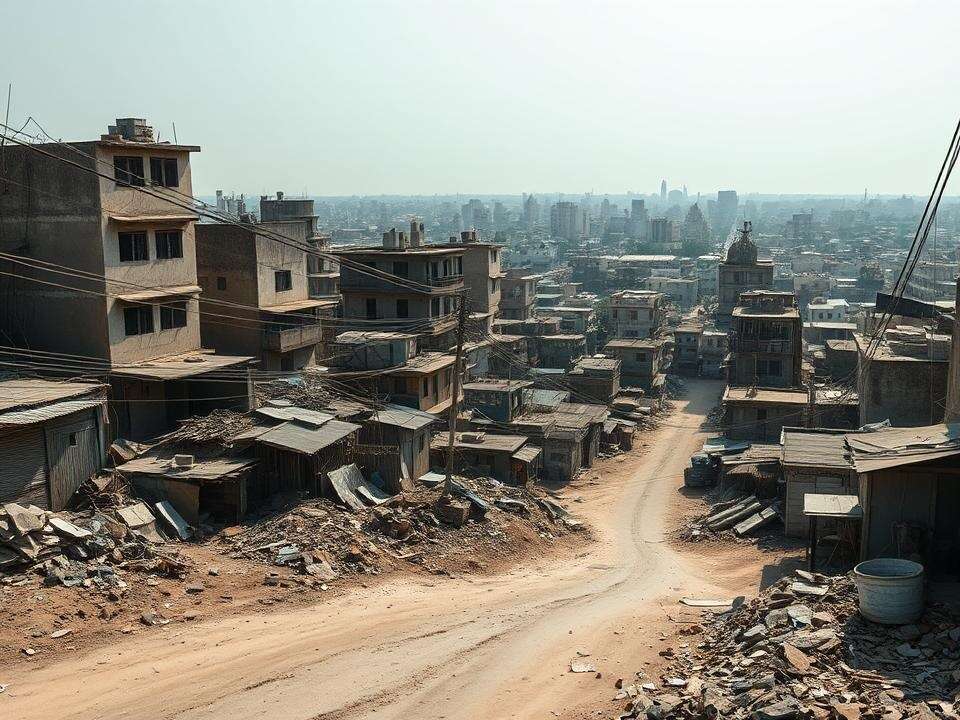
GAYA: As the anticipation for Gaya’s master plan continues, the city is rapidly evolving into a concrete jungle, leaving its nearly six lakh residents without essential facilities such as effective drainage, well-constructed roads, and attractive urban planning.
The last master plan, according to long-time residents, was established in the 1960s and has been expired for over twenty years. Since then, the people of Gaya have been waiting for a new strategic framework for the city’s development.
Lalji Prasad, a former municipal corporator, noted that in 2015, the Gaya Municipal Corporation (GMC) area saw a significant increase, integrating not only all revenue villages from the town and Manpur blocks but also 24 villages from Bodh Gaya block, eight from Belaganj, and four from Paraiya. This expansion raised the municipal area to 308.31 sq km, up from just 50.17 sq km.
According to regulations, the master plan must outline road widths, open spaces, and design systems for water and electricity supply, street lighting, sewage management, rainwater harvesting, play areas, primary schools, health facilities, community centers, libraries, shopping complexes, green spaces, sports complexes, parks, bus stops, fire services, facilities for senior citizens, and ramps for the differently-abled.
Kusum Kumari, a resident of Katari Hill Road, expressed concern over unplanned growth and the proliferation of unattractive concrete structures, stating that it creates a rustic appearance that does not meet modern living standards.
Official statistics indicate that there are over 80,000 registered holdings within the municipal area. Experts suggest that there are also many unregistered holdings, bringing the total closer to 1 lakh.
The GMC collects around Rs19 crore from holding taxes, with an additional Rs3 crore from land assets and fines. However, its expenditures of Rs120 crore significantly outpace tax revenues, leading to a deficit covered by grants and other allocations. According to municipal commissioner Kumar Anurag, sanitation alone costs over Rs50 crore annually.
Regarding the master plan, he mentioned that a Delhi-based company is currently developing the Detailed Project Report (DPR), which has already passed four of its seven required stages. The remaining steps will take approximately one year, and all stakeholders will be consulted before the plan is finalized. He also clarified that a separate master plan is being created specifically for Bodh Gaya.