NEW DELHI: Embassy Office Parks REIT (Embassy REIT), managing a vast 51 million sq ft office portfolio with a 93% value occupancy rate and 40.9 million sq ft of income-generating assets, is gearing up for its next expansion phase. This includes a pipeline of ₹3,700 crore in ongoing construction, scheduled for completion over the next three to four years. The REIT has 7.2 million sq ft currently in development that is projected to yield approximately ₹630 crore in net operating income (NOI).
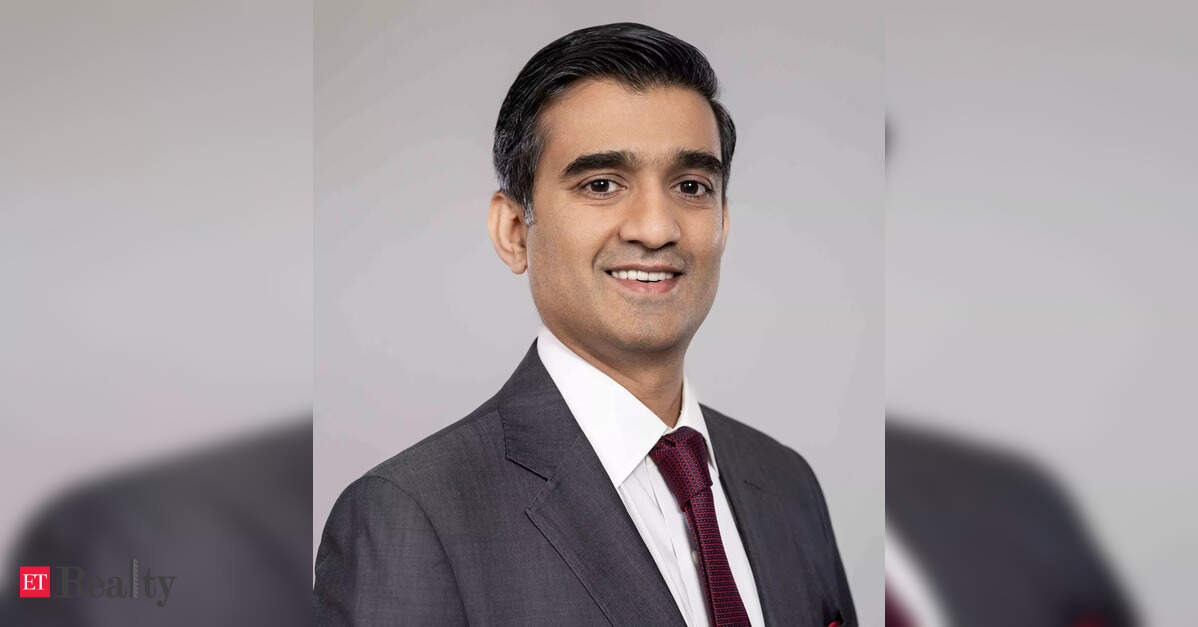
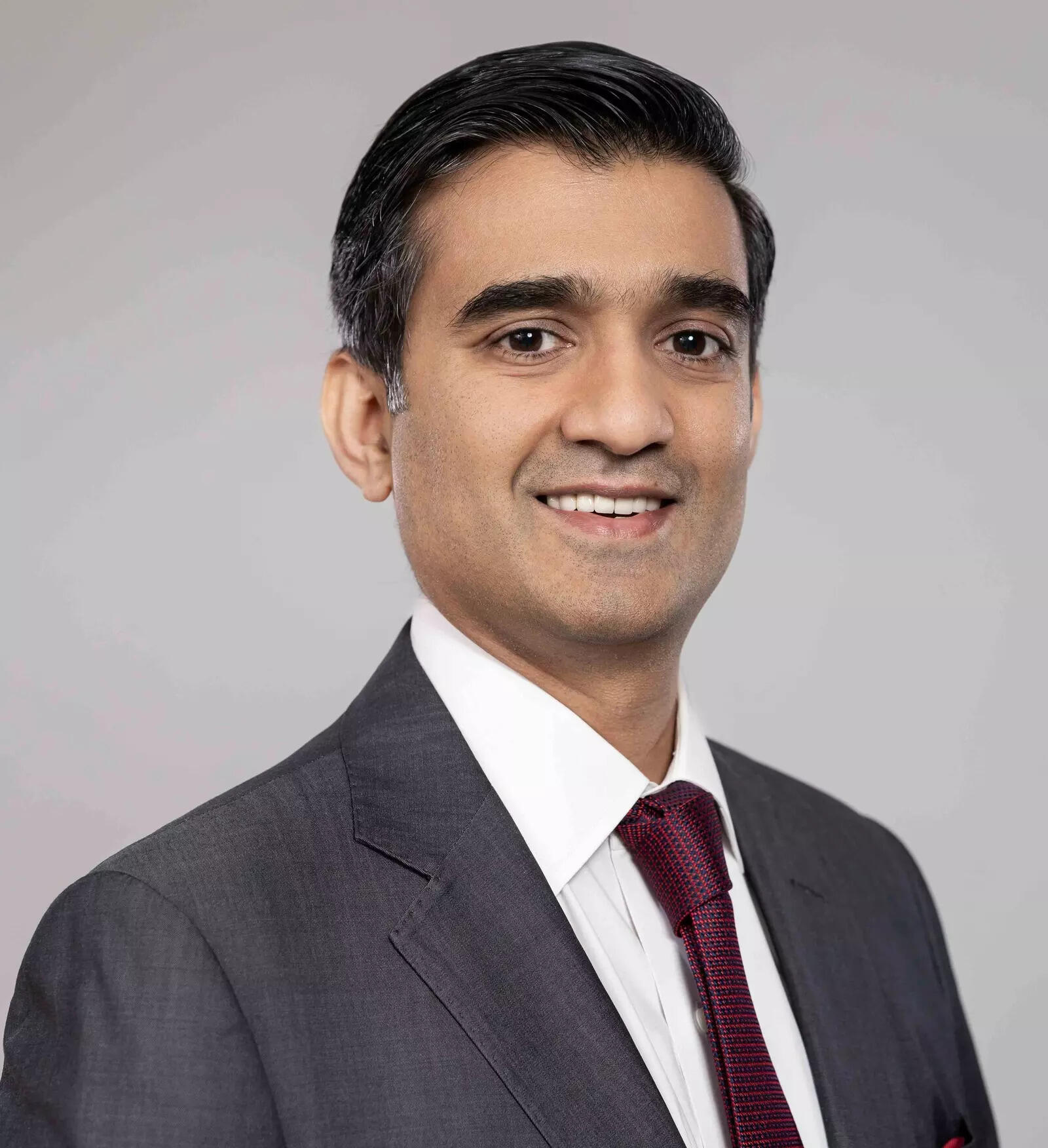
Four months into his role, CEO Amit Shetty emphasizes the need to enhance growth strategies through asset upgrades, new developments, and improved tenant experiences. In an interview with Ankit Sharma, he shares insights on priorities, redevelopment plans, market trends, and expansion strategies. Edited excerpts follow:
How has the transition to CEO been for you over the past four months?
I’ve spent 20 years in the industry and over four years at Embassy, transitioning from leasing to COO, which has made this shift relatively seamless. Our strong fundamentals facilitate effective execution.
What key strategies are you aiming to implement as CEO?
With a solid foundation in place, we are focusing on incremental strategies for marginal gains. First, investing in talent, as people are vital to our business. Second, enhancing product quality and design to meet the expectations of our global occupiers. Lastly, we aim to adopt a hospitality-oriented approach to occupier experience, incorporating amenities such as day hospitals and grocery stores within our integrated models.
Is the integration of business ecosystems influenced by urban infrastructure constraints or a desire for enhanced yields and occupier loyalty?
It’s more about creating a holistic experience. Our large-scale developments, like 100-acre campuses, naturally integrate amenities, ensuring that occupiers enjoy a complete experience—from office space to essential services.
Are you considering expansion into tier-II cities?
Currently, our focus remains on the top six cities, which account for 95-96% of India’s grade-A office market. While there is activity in tier-II cities, the majority of quality supply and demand still lies within the major metros. Hence, we see no compelling reason to alter our strategy right now.
Does this concentration hold back growth, especially if tier-II markets become more competitive?
Current data supports our strategy. In the past nine months, India recorded around 60 million sq ft of commercial office absorption, with Bengaluru contributing significantly. While tier-II cities are showing some promise, the demand for institutional-quality assets is still highest in major metros, making it prudent for us to maintain our focus there.
Are you recycling any old or non-core assets?
Yes, selectively. We’ve recently recycled some older assets and allocated those funds toward acquisitions and reducing debt. However, we do not plan to make this an annual routine; disposals will only occur when strong opportunities arise.
Any upcoming redevelopment plans?
We have executed significant redevelopment projects, including replacing an older 250,000 sq ft block at Manyata with a new 1.3 million sq ft tower that is fully pre-leased to a major global bank. We plan to continue exploring similar opportunities when they align strategically.
What’s the current status of the Embassy Splendid TechZone project in Chennai?
Chennai remains one of our strongest markets, with 96% occupancy across the 1.9 million sq ft built. An additional 500,000 sq ft has recently been leased to a global healthcare company, and we have initiated another two million sq ft set for completion in three years.
What are your key operating metrics today?
Our loan-to-value (LTV) ratio stands at 31%. Overall occupancy is 90% by area and 93% by value, with a weighted average lease expiry (WALE) of 8.5 years. As we sign longer leases, I expect the WALE to increase.
What does your development pipeline look like, and what are your investment plans?
We have a total portfolio of 50 million sq ft, with 40.9 million sq ft operational and 7.2 million sq ft under construction, most of which will be delivered in the next three years. We are investing ₹3,700 crore for this pipeline, which is anticipated to generate a stabilised NOI of around ₹630 crore.
What is your plan for capital deployment?
We will prioritize (i) completing ongoing projects, (ii) pursuing third-party acquisitions for inorganic growth, and (iii) upgrading facilities for a better occupier experience. For the ongoing construction of 7.2 million sq ft, we have set aside a capex of ₹3,700 crore for the next three to four years.
What are your thoughts on distribution yield and returns?
The distribution yield has remained around 6%, supported by stable annuity income. Over the past nine months, total returns on the platform have reached approximately 20%.
What leasing spreads are you seeing?
For new leases, spreads are around 27%, indicating strong opportunities for mark-to-market pricing. For renewals, spreads were about 5% in the last quarter, showing healthy but moderate rental increases as tenants renew existing space.
Are you considering diversification beyond office spaces?
Embassy REIT continues to focus primarily on office properties. While we do have some ancillary components like hotels (6% of the portfolio) and solar assets (1%), these serve to complement our office operations. We do not plan to enter unrelated segments unless there’s a specific request from a global occupier.
How are you managing project yield on cost amid rising input costs?
Maintaining yield on cost revolves around disciplined capital management and financing. While construction input costs are a factor, recent reforms, including more favorable GST treatment and reduced interest rates, provide some relief. With disciplined capital allocation, we aim to continue achieving target yields on our projects.
What is your perspective on SEBI’s decision to grant equity status to REITs, and how might you leverage this?
The SEBI decision is a pivotal change that aligns Indian REITs with global standards, assisting in their inclusion in equity indices. This move is anticipated to attract more passive investment and allow for mutual fund allocations from equity markets, enhancing overall stability and liquidity for REITs as a favorable, predictable investment choice for individuals and retirees alike.