NEW DELHI: The Delhi Government is actively working to not only provide shelter but also ensure a dignified and well-equipped life for residents belonging to the Economically Weaker Sections (EWS), as stated in an official release.
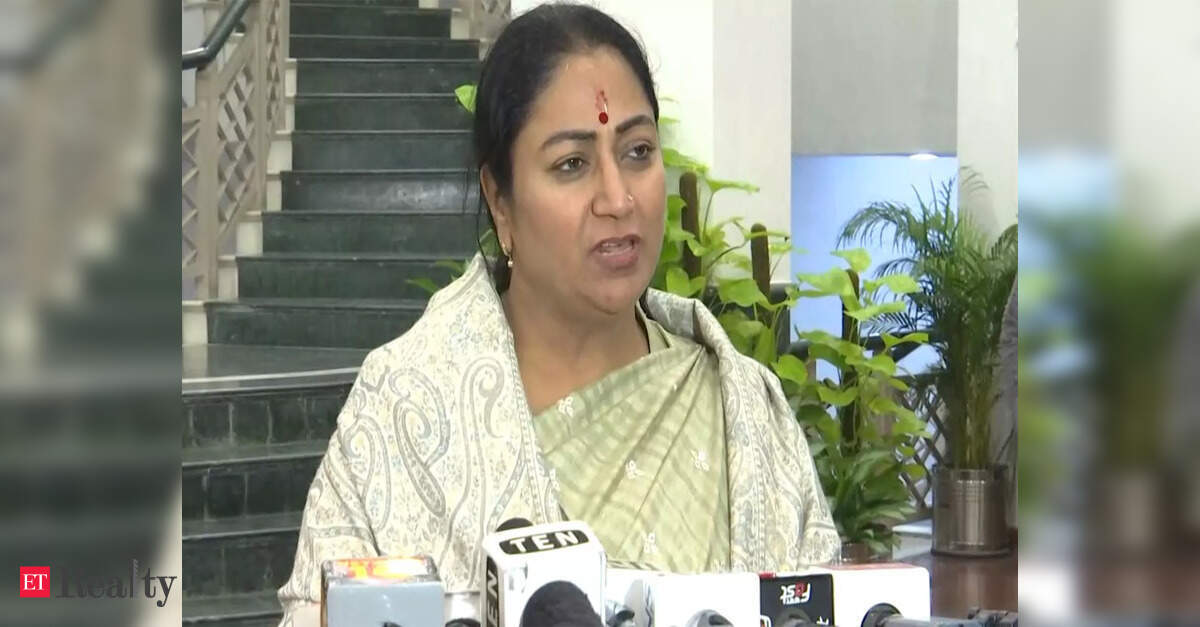
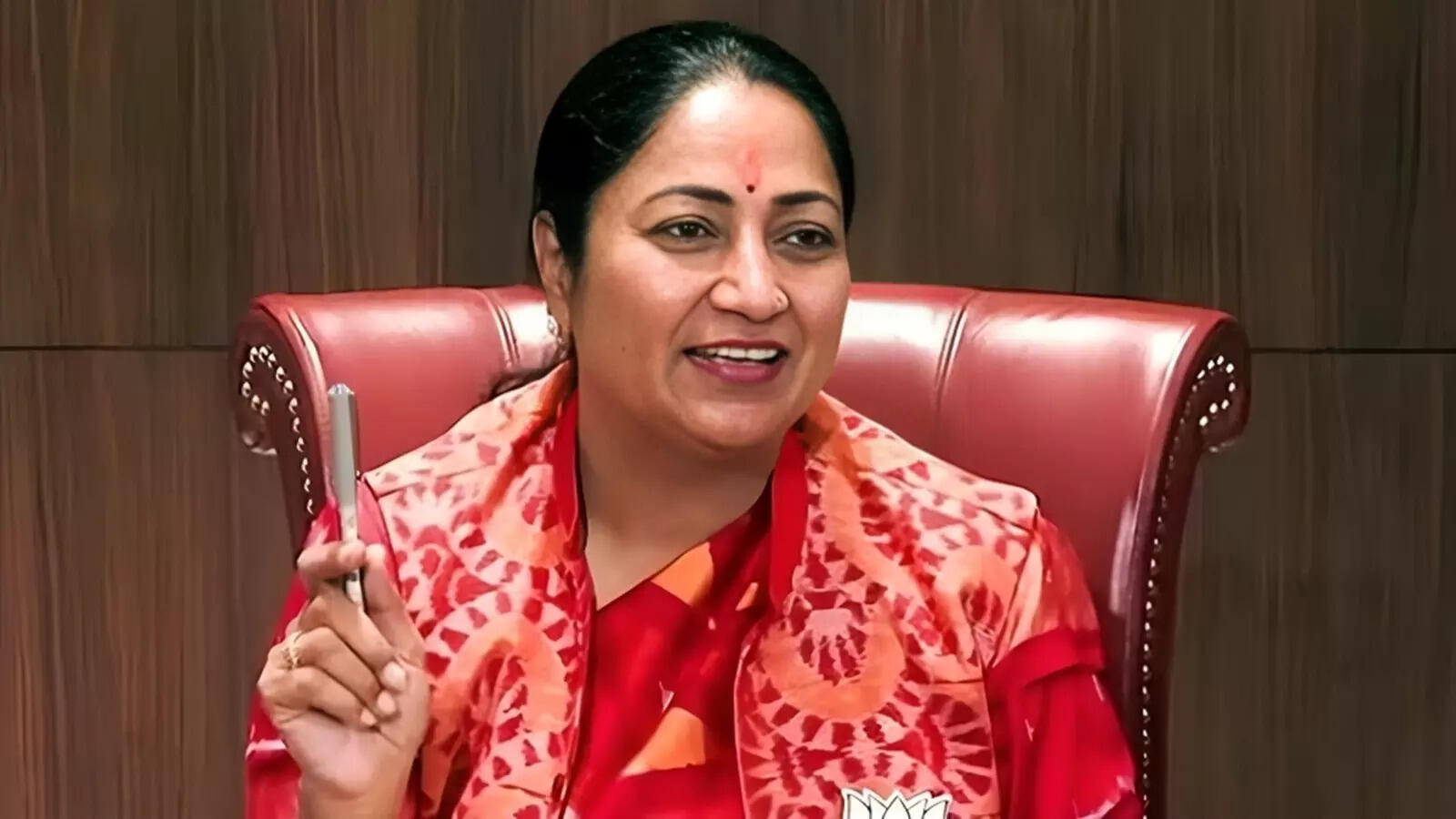
Delhi Chief Minister Rekha Gupta highlighted that community amenities are being enhanced in existing EWS residential colonies under the Delhi Urban Shelter Improvement Board (DUSIB).
The Government aims to offer more than just housing; it seeks to ensure that the marginalized have access to education, healthcare, sanitation, water supply, green spaces, and employment opportunities.
Developing essential and social infrastructure in larger colonies for the underprivileged, such as Savda Ghevra, is one of the government’s top priorities. The Chief Minister announced that, starting next year, eligible families will begin to receive allotments of flats.
The Savda Ghevra EWS residential colony spans approximately 37.81 acres. Between 2012 and 2020, a total of 7,620 residential units were constructed, with 6,476 flats currently unoccupied. Previous administrations showed little interest in resettling families in this area, leading to many flats requiring repairs.
The Chief Minister stated that these statistics demonstrate the colony’s potential to accommodate a significant population, emphasizing the need for timely development of essential community facilities.
The colony features a comprehensive sewerage network, marking a significant milestone in urban infrastructure.
The Delhi Government is currently making swift arrangements to settle low-income families in this colony, ensuring that vital services are provided rapidly. The Chief Minister stressed that the Government’s focus extends beyond merely providing homes; it aims to integrate all necessary facilities for education, healthcare, sanitation, water supply, green spaces, and livelihoods within the same locality.
To promote environmental sustainability, 39 residential parks have been established in Savda Ghevra, covering over 22,000 square meters.
Additionally, two underground water tanks, booster stations, and overhead tanks have been installed to guarantee a consistent water supply. Four waste collection points have been set up for effective solid waste management, including segregation facilities.
The Chief Minister noted that cleanliness, greenery, and water management are vital for any community and affirmed that the Government is committed to maintaining these standards in Savda Ghevra.
Numerous key facilities within the colony are still under construction. Of the two proposed primary schools, one is already completed, and plans for a dispensary or hospital are underway.
Services related to local commerce, such as a shopping center, service market, and transportation stands for three-wheelers and taxis, are also being developed. The Chief Minister underscored that the lack of these facilities forces residents to travel long distances for basic needs, which is unacceptable to the Government.
Within a 1.5-kilometer radius of Savda Ghevra, residents have access to bus stops, community halls, a post office, health centers, schools, Anganwadi centers, and Basti Vikas Kendras.
Within a 3-kilometer radius, metro stations, police posts, and additional educational and healthcare institutions are readily accessible. The Chief Minister emphasized the necessity of effectively integrating these facilities with the colony’s internal infrastructure for the benefit of residents.
Instructions have been issued to prioritize the completion of ongoing community facilities in all DUSIB EWS colonies, including Savda Ghevra. The Government is developing schools, health centers, community buildings, and market infrastructure systematically to equip poor families with civic amenities on par with the rest of the city. This initiative is portrayed not just as a housing project but as a movement for social justice and inclusive urban growth.
The Chief Minister reaffirmed the Delhi Government’s commitment to ensuring that no person living in poverty or in slums is deprived of dignified housing. Noting that many homes built for the underprivileged remained vacant for years, leading to wasted public resources and neglected rightful benefits for needy families, the Government is taking proactive measures to rectify this situation and expedite the development of community facilities in EWS colonies.
The construction of housing in Savda Ghevra commenced in 2012 under the Jawaharlal Nehru National Urban Renewal Mission (JNNURM), with completion achieved by 2020. Out of 7,620 constructed units, 6,476 are currently unoccupied. The Chief Minister has approved ₹27.50 crore for the repair of 2,500 vacant units to make them livable.
Allotments for these fully-equipped flats will start next year, with repairs for the remaining units scheduled for the following phase. The Delhi Government is progressively developing schools, health centers, community spaces, markets, and transport facilities in all EWS colonies.