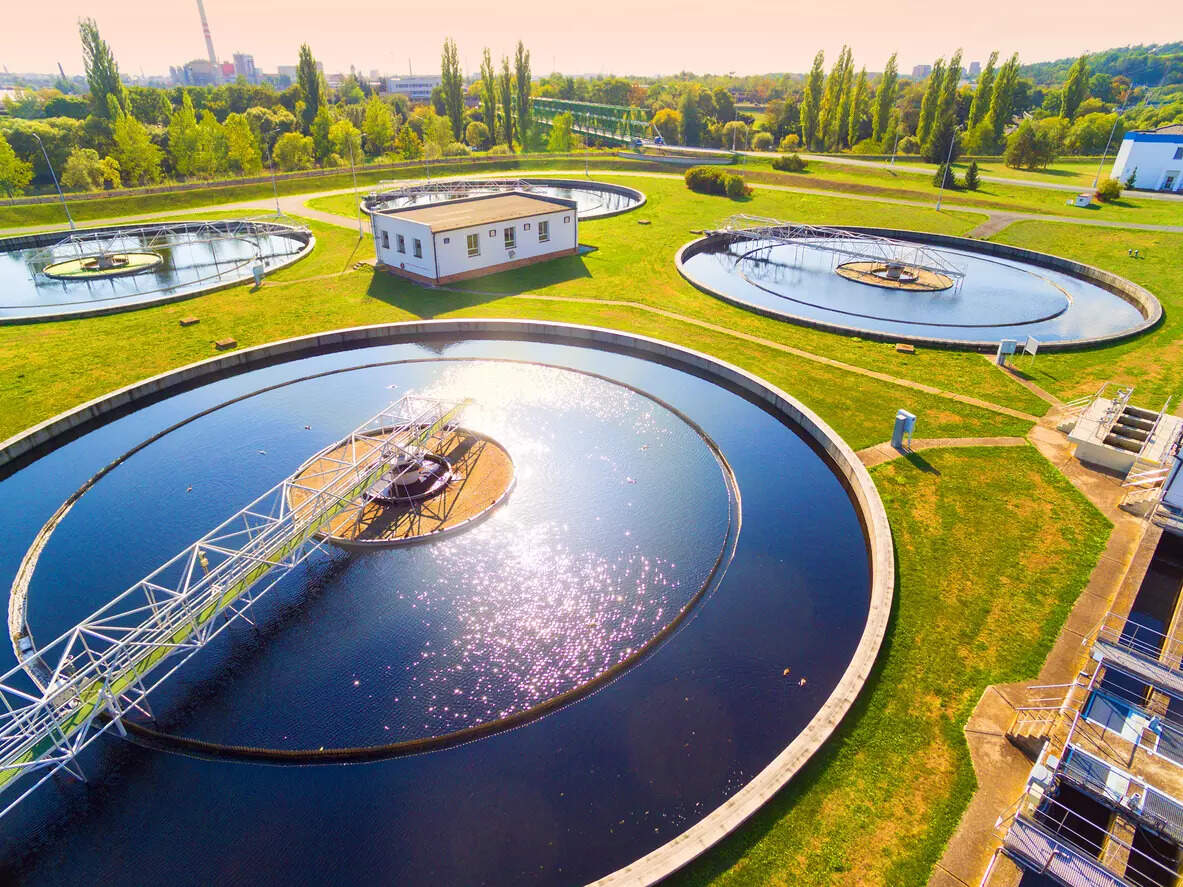
VISAKHAPATNAM: Addressing rising concerns regarding the operations of Sewage Treatment Plants (STPs) in large apartment complexes, CREDAI-Visakhapatnam is advocating for a structured and centralized system to ensure safety, efficiency, and environmental compliance.
According to government regulations, high-rise residential buildings with more than 100 dwelling units are mandated to install STPs. While these systems are crucial for wastewater treatment and recycling, their routine operation is often handed over to apartment associations post-construction. Many associations opt to hire third-party agencies for management due to a lack of technical expertise in-house. CREDAI leaders warn that inadequate vetting of these operators is becoming a significant concern.
“Numerous apartment associations are assigning STP operations to agencies without thoroughly assessing their technical qualifications or past performance. This negligence has led to operational failures and, at times, safety hazards,” stated E Ashok Kumar, president of the CREDAI-Visakhapatnam chapter.
He added that when STPs malfunction, the accountability frequently falls back on the builder even after the handover. The Real Estate (Regulation and Development) Act, 2016, mandates that promoters ensure essential services, including STPs, remain operational and are liable for any structural or service defects for five years post-possession under Section 14(3).
“Currently, there is no systematic approach for regular technical audits or inspections of STPs once they are handed over to resident associations. This oversight is contributing to ongoing operational and compliance issues,” he explained.
To combat this problem, CREDAI-Visakhapatnam has suggested establishing community-level STPs on government-provided land near clusters of high-rise developments. These centralized facilities could be managed by qualified agencies, with apartment communities contributing a small user fee for maintenance.
“This model would ensure professional management, enhance monitoring, and reduce risks. It also alleviates the pressure on individual associations that lack technical knowledge,” Ashok Kumar emphasized. He noted that a similar system is successfully implemented in parts of Karnataka, where specialized operators manage STPs in large residential areas.
“If this approach were adopted in Andhra Pradesh, it could facilitate safer and more efficient STP operations. The treated water could be reused for public gardens and urban greenery, promoting environmental sustainability and water conservation,” he added.
CREDAI further stated that with appropriate policy support and collaboration among government agencies, builders, and resident associations, this proposed system could significantly enhance wastewater management standards in rapidly growing cities like Visakhapatnam.